Understanding the Importance of Exfoliation for Dry Skin
Exfoliation plays a crucial role in maintaining healthy skin, especially for those struggling with dryness. By removing dead skin cells, exfoliation reveals smoother, more radiant skin beneath and allows for better absorption of moisturizers. Among various exfoliating tools, a back loofah is particularly effective for hard-to-reach areas and provides a gentle yet thorough scrub. Finding the best back loofah for dry skin can significantly enhance your skincare routine.
What is Dry Skin?
Dry skin, or xerosis, is characterized by a lack of moisture in the skin's outer layer, leading to roughness, scaling, and even cracking. Common causes include environmental factors, such as cold weather, low humidity, and excessive washing. Aging also plays a role in skin moisture retention, as sebum production decreases over time. For those affected, understanding the condition is vital for effective management.
Benefits of Exfoliating with a Loofah
Using a loofah for exfoliation offers several advantages. Firstly, it enhances blood circulation, promoting nutrient delivery to skin cells. Secondly, it helps prevent clogged pores, reducing the risk of acne and bumps. Additionally, regular use can improve the efficacy of skincare products by allowing them to penetrate deeper into the skin. This combination of benefits makes the loofah an excellent choice for individuals with dry skin seeking a solution.
Signs You Need a Back Loofah
Knowing when to incorporate a back loofah into your skincare regimen is essential. Key signs your skin may benefit from this tool include:
- Flaky, rough patches on the back or other hard-to-reach areas.
- Patchy skin that appears dull and lackluster.
- Frequent dryness or a feeling of tightness after showering.
- Increased sensitivity or reaction to body lotions and creams.
Choosing the Right Back Loofah for Dry Skin
Selecting the appropriate back loofah is crucial for maximizing its benefits while minimizing potential irritation. With many options available, understanding the essential features can guide your choice.
Material Options and Their Benefits
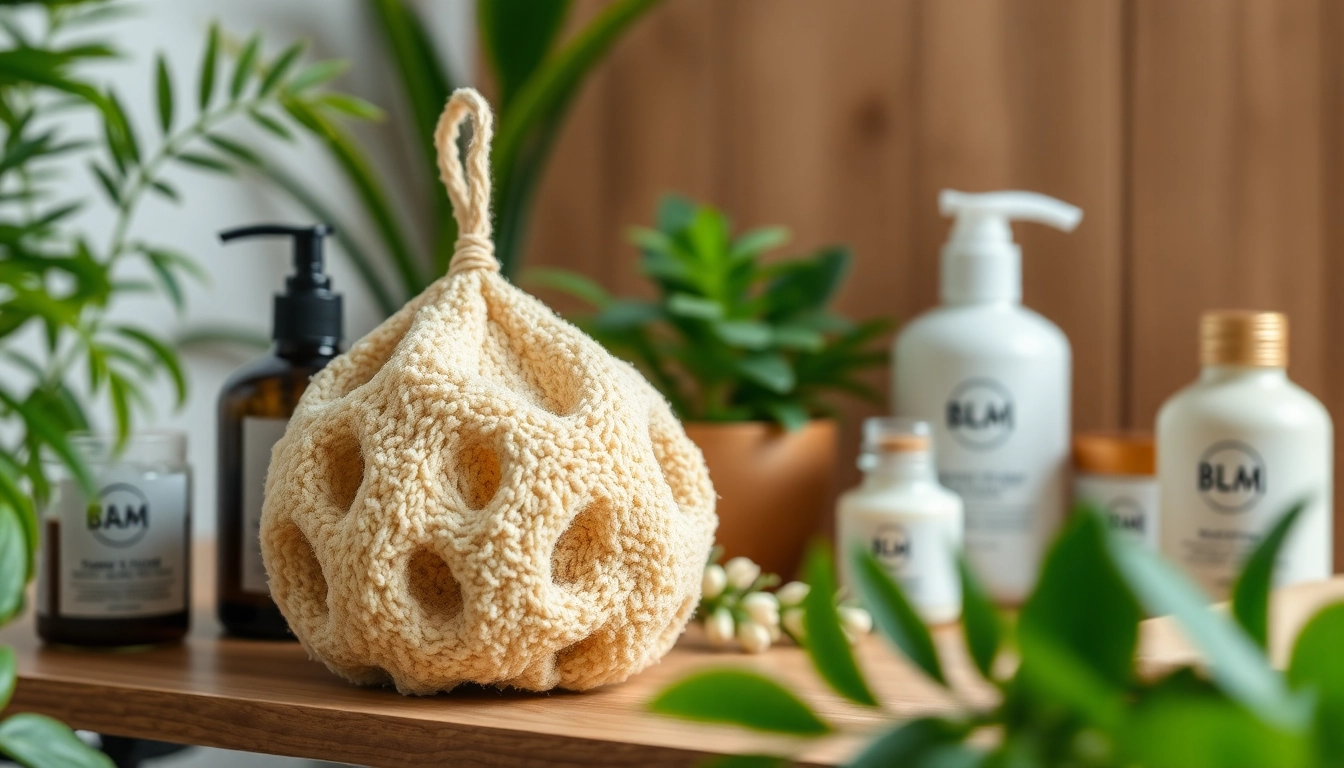
Back loofahs come in various materials, each offering unique advantages. Natural loofah sponges are made from the fibrous interior of the loofah plant and are biodegradable, providing a gentle scrubbing action. Synthetic options, such as nylon, often offer a more durable solution. Each material varies in texture and abrasiveness, making personal preference and skin sensitivity important factors to consider.
Loofah Shapes and Sizes Explained
The shape and size of a loofah can affect its usability. Long handles facilitate easier access to the back and other hard-to-reach areas, while larger loofahs provide a broader surface for exfoliating. Opting for a versatile design allows for the best coverage and effectiveness.
What to Look for in Quality Back Loofahs
When deciding on a quality back loofah, consider the following aspects:
- Durability: Ensure it can withstand regular use without losing its shape.
- Texture: Choose a texture that will effectively exfoliate without being overly harsh.
- Ease of cleaning: Check if it can be easily rinsed and dried after each use.
- Handle design: A sturdy, ergonomic handle can make using the loofah more comfortable.
How to Use a Back Loofah Effectively
Using a back loofah correctly can maximize its benefits and enhance your skincare routine. Follow these guidelines to ensure effective exfoliation.
Step-by-Step Guide to Proper Usage
- Start with warm, moist skin to help soften dead skin cells.
- Apply a gentle body wash or exfoliant to the loofah.
- Begin scrubbing from the lower back and work your way up, using long strokes.
- Use light pressure to avoid irritating your skin; let the loofah do the work.
- Rinse your back thoroughly with clean water to remove any residual product.
Best Practices to Avoid Skin Irritation
To prevent irritation while using a back loofah, consider the following practices:
- Limit usage to 2-3 times per week to avoid over-exfoliating.
- Make sure the loofah is clean before each use to avoid bacterial buildup.
- Choose a loofah with a texture that agrees with your skin sensitivity level.
- Always follow exfoliation with a good moisturizer to soothe the skin.
Frequency of Use for Optimal Results
The frequency of using a back loofah varies based on individual skin types. For most, exfoliating 2-3 times a week is sufficient, ensuring that the skin does not suffer from over-exfoliation. However, those with extremely dry or sensitive skin may benefit from less frequent use.
Aftercare: Keeping Your Skin Hydrated
After exfoliation, it’s vital to focus on skin hydration to maintain a healthy barrier and prevent dryness.
Moisturizing Techniques After Exfoliation
To effectively moisturize post-exfoliation, consider applying products while your skin is still damp. This locks in moisture and helps repair the skin barrier. Using emollients or creams rich in fatty acids is particularly beneficial.
Recommended Skin Care Products
For optimal hydration after using a loofah, look for products that contain ingredients like hyaluronic acid, glycerin, or shea butter. These ingredients provide intense nourishment and moisture retention, making them ideal for dry skin.
Hydration Tips for Dry Skin Maintenance
Additionally, ensure you drink plenty of water throughout the day, as hydration from within is equally important. Applying a humidifier in your home can also help maintain skin moisture, especially during dry seasons.
Common FAQs About Back Loofahs for Dry Skin
How often should I use a back loofah?
For most skin types, using a back loofah 2-3 times a week is recommended. This frequency prevents over-exfoliation while still promoting healthy skin renewal.
Can a loofah damage sensitive skin?
A loofah can cause irritation if used too aggressively or too frequently. It’s crucial to select a gentle loofah and be mindful of pressure when scrubbing.
What are the best materials for loofahs?
Natural loofah sponges are often gentler on the skin but synthetic options like nylon can last longer. Choose based on your skin sensitivity and preference.
How do I clean and maintain my loofah?
After each use, rinse your loofah thoroughly and hang to dry. Replace it every few weeks to prevent bacterial buildup and ensure effectiveness.
Are there alternatives to back loofahs?
Yes, alternatives include washcloths, exfoliating gloves, or body brushes, which can also effectively slough off dead skin. Choose the option that feels best for your skin type and needs.