Posted on

Expert Guide to Exhaust Hood Installation: Steps and Best Practices

Technician demonstrating exhaust hood installation in a modern kitchen setting.

Understanding Exhaust Hood Installation

What is an Exhaust Hood?

An exhaust hood, commonly found in kitchens, is a vital appliance designed to remove smoke, odors, heat, and moisture produced while cooking. By efficiently capturing airborne contaminants, it helps maintain a healthy and pleasant kitchen environment. These hoods typically consist of a fan, a filter, and ductwork that channels air to the outside of the home. The installation of an exhaust hood is crucial for both comfort and safety, reducing the risk of harmful air pollutants in your home.

Benefits of Proper Installation

Proper Exhaust hood installation provides numerous benefits, including:

  • Improved Air Quality: Removes harmful gases and particulates, promoting a healthier home environment.
  • Enhanced Kitchen Comfort: Reduces heat and humidity levels, making cooking a more pleasant experience.
  • Fire Safety: Minimizes grease accumulation, which is a significant fire hazard, particularly in kitchen spaces.
  • Increased Appliance Efficiency: Ensures that kitchen appliances, like stovetops and ovens, operate effectively without the interference of excessive smoke or odors.
  • Compliance with Building Codes: In many areas, local regulations require proper ventilation for safety standards, which an exhaust hood installation can help meet.

Common Types of Exhaust Hoods

There are various types of exhaust hoods available, each catering to different kitchen designs and needs:

  • Wall-Mounted Hoods: Installed directly on the wall above the cooktop and ideal for traditional kitchens.
  • Cabinet-Mounted Hoods: Integrated into cabinetry for a seamless look, often preferred in modern kitchens.
  • Island Hoods: Used when the cooktop is situated on an island, typically more powerful to accommodate the lack of surrounding walls.
  • Downdraft Hoods: Retracted when not in use, these hoods create an unobstructed view in open kitchen designs.
  • Under-Cabinet Hoods: Conveniently mounted under wall cabinets, making them a space-saving option.

Preparation for Exhaust Hood Installation

Tools and Materials Needed

Before commencing the installation of your exhaust hood, gather the necessary tools and materials:

  • Drill and drill bits
  • Screwdriver (Phillips and flathead)
  • Measuring tape
  • Stud finder
  • Pliers
  • Wire strippers
  • Level
  • Duct tape
  • Electrical wiring (if applicable)
  • Safety goggles and gloves

Safety Precautions to Consider

Maintaining safety during the installation process is crucial. Here are some essential precautions:

  • Turn Off Power: Before disconnecting or connecting any electrical components, ensure the power is off at the breaker box.
  • Use a Stud Finder: Always locate wall studs before drilling to avoid damaging electrical wiring or plumbing.
  • Wear Protective Gear: Safety goggles and gloves not only protect you from debris but also from sharp edges of metal ductwork.

Measuring and Planning the Installation Location

Proper measuring is essential to ensure effective installation:

  1. Determine Hood Height: Standard installation usually recommends the bottom of the hood to be 24 to 30 inches above the cooking surface, but always refer to the manufacturer’s installation instructions.
  2. Locate Venting Routes: Plan the route for ductwork if vented to the outside, ensuring to minimize bends for efficient airflow.
  3. Check for Obstructions: Identify any potential obstructions, such as beams, pipes, or other fixtures that may interfere with installation.

Step-by-Step Guide to Exhaust Hood Installation

Removing the Old Unit

If replacing an existing hood, you’ll need to safely remove the old unit. Follow these steps:

  1. Disconnect the power supply to ensure safety.
  2. Remove screws or bolts holding the old unit in place using the screwdriver.
  3. Carefully disconnect any ductwork attached to the old hood, paying attention to how the old unit was wired.
  4. Lift the old hood away and safely dispose of it as necessary.

Installing the New Exhaust Hood

With the old unit removed, you can now proceed with the installation of your new hood:

  1. Mount the mounting bracket according to the hood’s specifications using a level to ensure it’s straight.
  2. Lift the new hood into place and secure it to the mounting bracket and wall, using the appropriate screws.
  3. Make sure it is stable and level before proceeding.

Connecting Ductwork and Electrical Supply

Connecting the ductwork and electrical supply is a critical phase of the installation:

  1. Attach the ductwork to the exhaust port on the hood, securing it with duct tape for a tight seal.
  2. Route the ductwork toward the exterior wall or up to the ceiling, ensuring it is as straight as possible.
  3. For electrical connections, ensure that the wiring is correctly done based on local building codes; if uncertain, consult a professional electrician.
  4. Once everything is connected, turn the power back on and test the hood to ensure it operates correctly.

Common Challenges During Installation

Addressing Structural Limitations

It’s not uncommon to encounter structural limitations when installing an exhaust hood. For example, if your kitchen has studs or beams obstructing the installation path, consider:

  • Re-positioning the hood to align with available studs.
  • Using additional mounting brackets or reinforcements as needed.
  • Consulting a contractor for significant structural changes.

Troubleshooting Electrical Issues

Electrical issues may arise during installation. Common problems include:

  • Incorrect wiring connections. Always follow the manufacturer’s wiring diagram closely.
  • Inadequate power supply. Confirm that the circuit can handle the new appliance’s load.
  • If the hood does not turn on, check the electrical connections and ensure that the circuit is not tripped.

Dealing with Duct Size Mismatches

When preparing ductwork, mismatches in duct sizes are a frequent hurdle. Here are potential solutions:

  • Use duct reducers to adapt different sizes if the hood and ductwork do not match.
  • Ensure all connections are tightly sealed to prevent air leaks.
  • Periodically review local codes to ensure installations comply with specified requirements for duct sizing.

Maintenance Tips Post Exhaust Hood Installation

Regular Cleaning and Care

To keep your exhaust hood functioning effectively, establish a regular cleaning schedule. Here are maintenance tips:

  • Wipe down the exterior surfaces with a mild detergent to remove grease and grime.
  • Clean or replace grease filters every one to three months, depending on usage.
  • Check ductwork for clogs at least annually, clearing any obstructions that could hinder airflow.

Signs it’s Time for a Professional Inspection

Be proactive about your exhaust hood’s health. If you notice any of these signs, consider a professional inspection:

  • Unusual noises or vibrations during operation.
  • Poor airflow or insufficient suction.
  • Visible damage to ductwork or the hood itself.

Frequently Asked Questions

Can I install a vent hood myself?

Yes, you can install a vent hood yourself if you’re comfortable with DIY projects, have the right tools, and follow detailed instructions.

Do I need an electrician to install a range hood?

Yes, electrical work for hardwiring a range hood must be performed by a licensed electrician to ensure safety and compliance with codes.

What is the average cost of exhaust hood installation?

The average cost for installation can vary widely, but it typically ranges between $300 to $1,000 depending on the complexity of the installation.

How often should I clean my exhaust hood?

It’s advisable to clean your exhaust hood monthly, with a deeper cleaning every few months, especially if you cook frequently.

What size exhaust hood do I need?

The size of the exhaust hood should be at least as wide as your cooktop and typically requires a minimum airflow of 400 CFM for effective ventilation.

Posted on

Mastering Exhaust Hood Installation: A Comprehensive Guide for Homeowners

Showcasing an exhaust hood installation in a modern kitchen, emphasizing sleek design and functionality.

Understanding Exhaust Hood Installation

What is an Exhaust Hood?

An exhaust hood, often referred to as a range hood or kitchen hood, is an appliance that captures smoke, odors, steam, and grease produced during cooking. Strategically mounted above the stove or cooktop, the exhaust hood works by pulling in air and expelling it outside or filtering it back into the kitchen, ensuring a cleaner and healthier cooking environment. Understanding the role and functionality of an exhaust hood is essential before proceeding with exhaust hood installation.

Benefits of Proper Installation

Proper installation of an exhaust hood yields significant benefits, such as improved air quality and enhanced kitchen comfort. First and foremost, an effectively functioning exhaust hood significantly reduces indoor pollutants, making for a healthier cooking space. Moreover, a well-installed unit can prevent condensation on walls and ceilings—prolonging the life of your kitchen fixtures. By efficiently removing excess heat, smoke, and odors, you’ll enjoy more pleasant cooking experiences.

Furthermore, proper installation can lead to energy savings. When hot air is expelled from the kitchen, the need for air conditioning during warm weather is reduced. Lastly, a correctly installed exhaust hood can even enhance the aesthetic appeal of your kitchen, making it feel spacious and inviting.

Types of Exhaust Hoods

Understanding the various types of exhaust hoods is crucial for selecting the best option for your kitchen. Here are some common types:

  • Wall-Mounted Hoods: These hoods are affixed to the wall and ideal for kitchens with range setups against a wall.
  • Island Hoods: Traditionally used for cooktops situated on kitchen islands, these hoods are suspended from the ceiling.
  • Under-Cabinet Hoods: Perfect for smaller kitchens, these hoods fit under cabinets, saving space while providing effective ventilation.
  • Downdraft Hoods: These retractable hoods rise from the counter when needed and are ideal for kitchen designs that prioritize style.
  • Professional-Grade Hoods: These high-capacity hoods are designed for serious chefs and often require special installation setups.

Planning Your Exhaust Hood Installation

Assessing Your Kitchen Space

The first step in planning your exhaust hood installation is to assess your kitchen space. Begin by measuring the dimensions of your kitchen and identifying where the range or cooktop is located. Ensure adequate clearance—most manufacturers recommend a height of 24 to 30 inches above the cooking surface.

Additionally, consider the configuration of your kitchen. Factor in adjacent appliances, the flow of traffic, and the size of your kitchen island, if applicable. It’s also important to assess whether your kitchen has external walls for ducted options or if you’ll need to choose a recirculating hood.

Selecting the Right Exhaust Hood

Choosing the right exhaust hood goes beyond aesthetics; it crucially impacts functional efficiency. Start by determining your cooking habits. If you often engage in high-temperature cooking or fry foods, a more powerful hood is advisable. Consider the CFM rating (Cubic Feet per Minute), which measures how much air the exhaust hood can process—this should align with the type of cooking done in your kitchen.

Also, examine the noise levels. Hoods can vary in their sound emissions; picking a quieter model will enhance your cooking experience. If space permits, opt for higher prices that come with better features, such as variable fan speeds, lights, filters, and easy-to-remove grease traps.

Gathering Necessary Tools and Materials

Once you’ve chosen a suitable exhaust hood, it’s essential to gather all necessary tools and materials before commencing installation. Typical tools needed include:

  • Screwdriver (flathead and Phillips)
  • Drill with appropriate bits
  • Level
  • Measuring tape
  • Pliers
  • Safety goggles and gloves

Materials may include the exhaust hood itself, ductwork, screws, duct tape, and a power source extension if necessary. Preparing these in advance streamlines the installation process and minimizes disruptions.

Step-by-Step Guide to Exhaust Hood Installation

Preparing the Installation Location

The installation location must be correctly prepared to ensure a seamless setup. Start by turning off any electrical supply connected to the existing setup. Next, use a measuring tape to mark appropriate mounting points based on the specific dimensions recommended by your exhaust hood’s manufacturer.

Afterwards, prepare the area by ensuring that there is ample space to fit ductwork if applicable. If you’re drilling into the wall or ceiling, consider potential plumbing or wiring behind your chosen spot to avoid any mishaps. A clean environment is essential for effective work, so clear out surrounding areas to create a distraction-free zone.

Installing Ductwork for Optimal Airflow

If you’re installing a ducted exhaust hood, proper ductwork is crucial for optimal performance. Begin by determining the shortest possible route for your duct; avoid sharp bends and excessive lengths that can restrict airflow significantly. When cutting the ductwork, ensure clean cuts and a precise fit.

Affix the duct to the hood securely and seal all joints with duct tape to prevent any potential leaks. It’s vital to ensure the duct leads outside without any obstruction, maintaining an effective path for air to escape. If your kitchen configuration requires complex installation, consulting with a professional may help optimize airflow effectively.

Connecting the Electrics Safely

Attention to electrical wiring during installation is critical for safety and functionality. Before starting, double-check that power is indeed turned off. Following the manufacturer’s specific guidelines, connect the electrical wires using wire connectors.

Once connected, secure them within a junction box to protect against exposure. Ensure that the exhaust hood’s power requirements match your electrical supply to prevent any malfunctions. After verifying correct connections, turn the power back on and test the hood to ensure it functions appropriately.

Common Challenges in Exhaust Hood Installation

Addressing Ductwork Issues

One of the most common challenges faced during installation is ductwork placement. Misaligned ducts can lead to inefficient ventilation, while inappropriate sizing may hinder airflow. Before final assembly, carefully measure and ensure fit to mitigate these issues. Use flexible ducts wherever space permits to ease the installation process and reduce airflow restrictions.

Sealing for Maximum Efficiency

A well-sealed installation is vital to ensure the efficiency of your exhaust hood. Leaky ducts can waste energy and reduce the effectiveness of your system. After installation, inspect all seams and joints, applying duct tape or mastic sealant as necessary to avoid air leaks. Regularly checking your seals can prolong the life and efficiency of your exhaust hood.

Dealing with Noise and Vibration

Noisy exhaust hoods can detract from the cooking experience. To reduce operational noise and vibrations, ensure that all mounting screws are tight and properly positioned. If vibrations persist, consider using rubber washers between the hood and mounting brackets to absorb some noise.

Furthermore, selecting a hood specifically designed for quieter operation can alleviate noise concerns. Always keep in mind that higher CFM ratings may contribute to noise levels, so balance performance with your tolerance for sound.

Maintaining Your Exhaust Hood Post-Installation

Regular Cleaning Tips

Cleaning your exhaust hood regularly is vital to prolong its life and maintain optimal performance. Begin by cleaning the grease filters at least once a month—use hot, soapy water for this. For permanent filters, consider running them through the dishwasher (if applicable). Wipe down exterior surfaces with a gentle cleaning solution to maintain shine and prevent dirt buildup.

Moreover, keeping the surrounding area clean helps prevent any obstructive buildup that may hinder airflow. Schedule routine checks to ensure that all parts function correctly, maintaining a consistently clean kitchen atmosphere.

Checking Functionality and Performance

It’s essential to routinely check the functionality and performance of your exhaust hood. Listen for any unusual sounds, observe airflow strength, and monitor whether smoke and odors are being effectively filtered or exhausting from the kitchen. If you notice diminished performance, this might indicate blockages or defects within the ductwork.

Performing an airflow test might be beneficial, which measures how efficiently the exhaust hood is ventilating. Many manufacturers provide testing guidelines; referring to these can help maintain optimal functioning for your unit.

When to Call a Professional

While many homeowners handle their exhaust hood installations, there are circumstances where consulting a professional is wise. If you encounter electrical issues, ductwork complications, or structural obstacles during installation, don’t hesitate to seek expert assistance. This ensures that safety and compliance standards are met, providing peace of mind regarding your kitchen ventilation system.

Frequently Asked Questions

1. What is the average cost for exhaust hood installation?

The average cost for exhaust hood installation can range from $300 to $1,000, depending on complexity and the type of hood chosen.

2. Can I install an exhaust hood myself?

Yes, many homeowners can install an exhaust hood themselves by following manufacturer guidelines; however, professional help is advisable for complex configurations.

3. What size exhaust hood do I need?

A hood should typically be at least as wide as your cooking range and 6 inches wider for optimal performance, ensuring ample coverage.

4. How often should I clean my exhaust hood?

It’s recommended to clean your exhaust hood every month, with deeper cleanings of filters and ductwork performed quarterly.

5. What is CFM and why is it important?

CFM stands for Cubic Feet per Minute and measures airflow. Selecting the right CFM for your cooking habits ensures efficient ventilation and air quality.

Posted on

Transform Your Bathroom with Elegant Showers Australia for Ultimate Relaxation

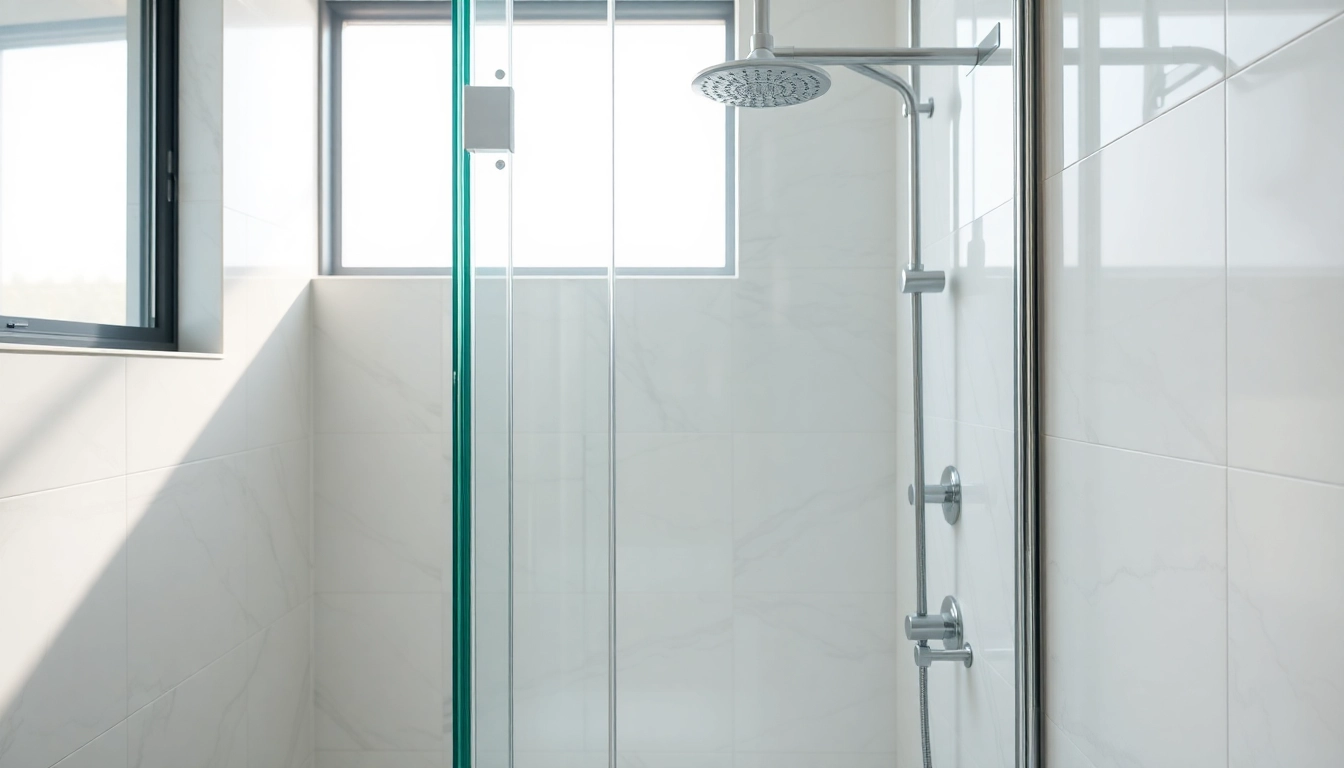
Experience elegant showers Australia in a luxurious bathroom with modern design.

Understanding Elegant Showers Australia

Definition and Key Features

Elegant showers are more than just functional spaces; they are the epitome of luxury and relaxation within our bathrooms. These showers typically feature sleek designs, high-quality materials, and innovative functions that elevate the bathing experience. Central to the appeal of elegant showers Australia is their ability to combine aesthetics with practicality, creating environments that are both beautiful and user-friendly.

Key features of elegant showers often include rainfall showerheads, integrated body jets, and customizable lighting options. Furthermore, the use of glass panels rather than curtains provides an open, sophisticated look. Materials such as marble, granite, and high-quality tiles are frequently utilized to enhance the visual and tactile experience, ensuring that every shower feels like a retreat.

Benefits of Upgrading Your Shower

Upgrading to an elegant shower presents numerous benefits that extend beyond mere aesthetics. Firstly, these upgrades can significantly increase the overall value of your home. A modern, stylish shower can attract potential buyers and improve your property’s appeal in a competitive real estate market.

Additionally, elegant showers are designed with user comfort in mind. Features like adjustable water pressure and temperature control not only enhance enjoyment but also promote better hygiene and relaxation. Moreover, by integrating advanced technologies such as digital controls, you can create a personalized shower experience tailored to your preferences.

Popular Designs and Trends

Current trends in elegant showers are heavily influenced by advances in technology and minimalist aesthetics. Walk-in showers with frameless glass enclosures remain popular, offering seamless transitions between showering and the rest of the bathroom space. Furthermore, eco-friendly designs that conserve water without sacrificing performance are becoming a must-have for the environmentally conscious homeowner.

Textured tiles and natural stone finishes are trending for their ability to add unique character to showers. In addition, smart shower systems that include touchless controls and voice-activated features are rising among tech-savvy users. These innovations, paired with a focus on wellness, create a spa-like atmosphere designed for ultimate relaxation.

Selecting the Perfect Elegant Shower

Factors to Consider

Choosing the right elegant shower involves several key considerations. Firstly, assess the size and layout of your bathroom to ensure sufficient space for your preferred shower design. An ideal shower should allow for easy movement without feeling cramped.

Secondly, consider your family’s needs. If children or elderly individuals will frequently use the bathroom, safety features such as non-slip flooring and grab bars should be prioritized. Additionally, reflecting on your water usage preferences will help you select fixtures that suit both your lifestyle and your environmental concerns.

Choosing Materials and Finishes

Materials play an integral role in defining the elegance of your shower. Premium options such as porcelain tiles, natural stone, and high-end acrylic offer durability while enhancing visual appeal. When choosing finishes, consider the overall design of your bathroom to ensure cohesion.

For example, complementing matte black fixtures with light-colored tiles can create a striking contrast, whereas a monochromatic palette can impart timeless elegance. Always take the time to explore various finishes, as the right combination can make all the difference in your shower’s aesthetic.

Finding the Right Size and Style

The size and style of your shower should reflect both functionality and visual impact. For smaller bathrooms, corner showers or compact designs can maximize the available space without sacrificing elegance. Conversely, larger bathrooms can accommodate grand features such as dual showerheads or expansive wet areas.

Ultimately, your personal style should guide these decisions. Whether you prefer a contemporary look with clean lines or a more traditional design with decorative elements, ensure that your chosen shower aligns with your vision for your bathroom’s overall aesthetic.

Installation Tips for Elegant Showers Australia

Preparing for Installation

Effective preparation for shower installation is crucial. Start by gathering necessary materials and tools and ensuring that you have a clear understanding of the installation process for your chosen model. It can be beneficial to review the manufacturer’s guidelines and specifications for seamless execution.

Additionally, consider the placement of plumbing and drainage. Proper alignment will prevent potential issues and ensure that your shower functions effectively. Preparing the surrounding space by removing old fixtures, tiles, or fittings will also ease the installation process and mitigate delays.

Hiring Professionals vs. DIY

The decision to hire professionals or tackle shower installation yourself largely depends on your skill level and comfort with plumbing work. While DIY installations can save money, they may pose risks if you lack the necessary expertise. Mistakes in plumbing can lead to significant issues down the line, such as leaks or water damage.

For those without experience, hiring licensed and insured professionals is advisable. They possess the skills and knowledge to ensure a high-quality installation. Furthermore, professionals can also provide valuable insights on design choices and upgrades that you may not have considered.

Common Installation Mistakes to Avoid

Common mistakes during shower installation can lead to costly consequences. One such error is improper sealing, which can result in water leakage and subsequent damage. Ensuring that all connections and joints are correctly sealed is vital.

Another frequent misstep is neglecting the slope of the shower floor, which is essential for proper drainage. A flat floor can lead to water pooling and safety issues. Planning for adequate ventilation is paramount as well, as it will help to prevent mold growth and maintain air quality in your bathroom.

Maintenance and Care for Your Shower

Cleaning and Upkeep Tips

Regular cleaning and maintenance of your elegant shower will not only preserve its visual appeal but also enhance hygiene. Use gentle, non-abrasive cleaning solutions tailored for your shower materials. Avoid harsh chemicals that could damage surfaces or fixtures.

Develop a cleaning routine — ideally, wipe down the shower walls and fixtures after use to prevent soap scum buildup. Monthly deep cleaning will also ensure that your elegant shower remains in pristine condition.

Preventing Common Issues

Preventive measures are key to prolonging the life of your shower system. To avoid clogged drains, consider using drain covers and periodically cleaning out any debris. Regularly check for signs of leaks and promptly address them to prevent water damage.

Additionally, maintain proper moisture levels by using exhaust fans during and after showers, reducing humidity that could foster mold growth. Ensuring a well-sealed enclosure will help to keep your shower area dry and clean.

Longevity of Showers: What to Expect

The longevity of an elegant shower largely depends on the quality of materials used and the level of maintenance performed. High-quality showers can last for years when properly cared for, while neglecting upkeep can lead to premature deterioration.

Typically, fixtures such as showerheads and faucets may require replacement every 5 to 10 years. Monitoring these components and handling minor repairs promptly can significantly enhance the lifespan of your elegant shower.

FAQs About Elegant Showers Australia

What materials are most commonly used in elegant showers?

Common materials include porcelain tiles, natural stone, acrylic, and glass. These are favored for their durability, aesthetics, and ease of maintenance.

How can I make my small bathroom look elegant with a shower?

Opt for a walk-in or corner shower design, use large-format tiles, and incorporate light colors to give the illusion of space while maintaining elegance.

What are the benefits of a rain showerhead?

Rain showerheads provide a soothing, spa-like experience, offer wider coverage, and often feature adjustable settings for a customizable shower experience.

How often should I clean my shower for best results?

It’s recommended to clean your shower weekly for regular upkeep and perform a deep clean monthly to prevent buildup and maintain its beauty.

What should I look for in professional installation services?

Look for licensed and insured contractors with experience in shower installations. Consider references, reviews, and warranty information for their work.

Posted on

Enhance Your Space: Bathroom Renovations Near Me for Luxury and Comfort

Stunning bathroom renovations near me featuring a modern tub and elegant decor.

Understanding the Basics of Bathroom Renovations

Transforming a bathroom is one of the most effective ways to enhance the livability and value of a home. Whether you’re aiming for a complete remodel or minor updates, understanding the basics of bathroom renovations near me is crucial. Renovations not only improve functionality but also allow you to express personal style and adapt spaces for contemporary needs.

Why Consider Bathroom Renovations Near Me?

Bathroom renovations can significantly boost a home’s appeal and value. A dated or poorly designed bathroom can detract from overall living satisfaction and reduce property desirability. Homeowners often choose to renovate for various reasons:

  • Increased Home Value: Well-executed renovations yield a healthy return on investment.
  • Enhanced Comfort: Updating fixtures and layouts can promote a more enjoyable daily routine.
  • Energy Efficiency: Modern fixtures offer better water savings and efficiency.
  • Personalization: Create a unique space that reflects personal tastes and needs.

Common Styles and Trends

When considering renovations, familiarize yourself with current styles and trends. Popular options include:

  • Minimalistic: Clean lines, neutral colors, and simplicity.
  • Vintage Chic: Incorporation of retro tiles and classic fixtures.
  • Modern Spa: Features like walk-in showers and freestanding tubs enhance relaxation.
  • Luxury Finishes: Use of materials such as marble and high-end fixtures for an upscale feel.

Essential Considerations Before Renovation

Before embarking on a renovation project, it’s essential to consider several factors:

  • Space Utilization: Analyze how best to use the available space.
  • Budget Planning: Set a realistic budget that considers all possible expenses.
  • Permits: Research necessary permits for the renovation project.
  • Timeline: Determine a workable timeline to minimize disruption.

Planning Your Bathroom Renovation

Setting a Realistic Budget

Budgeting is fundamental in any renovation project. Consider breaking down costs associated with materials, labor, and unforeseen expenses. Allocate around 10-20% of your budget for unexpected contingencies to ensure you’re covered throughout the process.

Choosing the Right Design Elements

Choosing design elements involves selecting colors, fixtures, and cabinetry that align with your vision. Think about:

  • Color Scheme: Opt for hues that create a calming ambiance.
  • Lighting: Ensure sufficient lighting using nature and ambient sources.
  • Storage Solutions: Prioritize built-in shelves and cabinets.

Finding Reliable Contractors Nearby

Finding trustworthy contractors is pivotal. Seek out local professionals through recommendations or online reviews. Ensure they hold necessary certifications and insurance. A detailed interview and multiple quotes can also serve to gauge their reliability and expertise.

Executing Your Renovation Project

Timeline Expectations for Renovations

Understanding the timeline helps in planning and minimizing daily disruptions. Typical bathroom renovations can take several weeks depending on the scope; minor updates may require less time, while full remodels can extend over a month.

Best Practices for Site Management

Effective site management ensures a smooth renovation process. Maintain clear communication with your contractor, establish designated work areas, and secure the site to prevent accidents. Schedule regular check-ins to monitor progress and address issues in real-time.

How to Handle Unexpected Issues

Unexpected issues like plumbing problems or structural surprises can arise. Establishing a contingency plan with your contractor can mitigate stress. Always remain flexible and be prepared to adjust the budget and timelines as necessary.

Cost-Saving Tips for Bathroom Renovations

Utilizing Budget-Friendly Materials

Choosing the right materials can significantly affect your budget. Consider seeking out cost-effective yet durable options such as:

  • Vinyl Flooring: Affordable and water-resistant.
  • Laminate Countertops: A budget-friendly alternative to stone.
  • Refurbished Fixtures: Save money by restoring existing fixtures instead of replacing them.

DIY vs. Professional Help: What to Know

Understanding when to DIY and when to hire professionals is essential. Simple tasks like painting or installing tiles may be manageable; however, plumbing or electrical work typically requires skilled labor and should always be left to the professionals.

Handling Permits and Regulations

Before beginning renovations, familiarize yourself with local building codes and regulations. Failure to comply can result in costly fines and delays. Ensure all necessary permits are secured before work begins.

Maintaining Your Newly Renovated Bathroom

Routine Maintenance Practices

Post-renovation, regular maintenance is critical for long-lasting beauty and functionality. This includes:

  • Frequent Cleaning: Keep surfaces clean to prevent mildew and grime.
  • Inspecting Fixtures: Routinely check for leaks or wear and tear.
  • Ventilation Maintenance: Ensure vents and fans are operational to prevent moisture-related issues.

Updating Decor and Fixtures Over Time

A bathroom decor update every few years can refresh the space. Consider switching out accessories or adding new textiles to keep the style contemporary without undergoing a full renovation.

When to Consider Future Renovations

Monitor the condition of your bathroom and consider future renovations if you notice problems such as chronic dampness, lack of functionality, or if personal needs change over time. Staying proactive can prevent larger issues down the line.

Frequently Asked Questions

What is the average cost of a bathroom renovation?

The average cost varies widely based on location, project size, and materials, but typical renovations can range from a few thousand to tens of thousands of dollars.

How long does a bathroom renovation take?

The duration depends on the extent of the work. Minor updates might take a week, while major renovations usually last several weeks.

Are permits necessary for bathroom renovations?

In most areas, permits are required for electrical, plumbing, and structural changes. Always check local regulations.

Can I renovate my bathroom myself?

Some simple tasks can be DIY projects, but complex plumbing or electrical work is best left to professionals to ensure safety and compliance.

What are the latest trends in bathroom design?

Current trends include minimalistic designs, spa-inspired elements, smart technology integration, and a focus on sustainable materials.

Posted on

Elevate Your Comfort with the Best Leather Lift Recliner Choices

Experience comfort with a beautifully designed leather lift recliner in a bright, modern living room.

Introduction to Leather Lift Recliner

The world of comfort furniture has witnessed a remarkable evolution, and one of the standout products in this trend is the leather lift recliner. Designed not only for relaxation but also for mobility assistance, these chairs are becoming a staple in homes. With their elegant design and functionality, a leather lift recliner seamlessly blends style and utility. Let’s explore what makes these chairs an exceptional choice for any home environment.

What is a Leather Lift Recliner?

A leather lift recliner is a specialized chair that combines the traditional reclining mechanism with a lifting function designed to assist individuals in standing up from a seated position. These chairs typically feature a plush leather upholstery, which adds both a luxurious touch and ease of cleaning. The lifting mechanism can be electric or manual, helping to alleviate physical strain for seniors or individuals with mobility issues.

Benefits of Choosing Leather

The choice of leather as the primary upholstery for lift recliners offers numerous benefits. First and foremost, leather is known for its durability. Unlike fabric, which can tear and stain easily, leather can withstand wear and tear, making it a long-term investment for your home.

Additionally, leather has a classic appeal that elevates the aesthetic of any room. It is also easier to maintain as it naturally repels dust and allergens, providing a healthier environment. Moreover, leather adapts to body temperature, ensuring comfort regardless of the season.

The Importance of Adjustable Features

When it comes to lift recliners, adjustability is key. Optimal comfort is subjective; therefore, having customizable features such as reclining angle, height adjustments, and lumbar support can vastly enhance the user experience. Users often find that the right configuration can mitigate aches and pains, further promoting relaxation.

Key Features of Leather Lift Recliner

Understanding Reclining Mechanisms

Reclining mechanisms in leather lift recliners can vary significantly. Typically, there are two common types: the infinite position recline and the traditional footrest recline. The infinite position allows more flexibility, enabling users to find their perfect position between seated and fully reclined, while the traditional footrest simply lifts to provide support.

Electric lift mechanisms are also predominant as they allow seamless transitions between sitting and standing. Users can control the lift and recline functions effortlessly with a handheld remote, which often features intuitive buttons for increased ease of use.

Design and Aesthetic Appeal

One of the alluring features of leather lift recliners is their design versatility. They come in a variety of styles, colors, and finishes, ensuring that they can blend into any home décor. Whether you prefer modern, contemporary, or traditional styles, there is a leather lift recliner that can complement the aesthetic of your space.

The choice of color plays a vital role in the overall appeal. Neutral tones like beige or gray provide a classic look, while bolder colors such as burgundy or navy can serve as a statement piece. Enhanced stitching, tufted designs, and additional ornamental features can further elevate the overall design.

Size and Space Considerations

Before purchasing a leather lift recliner, it’s essential to consider the size of the chair in relation to your available space. Most recliners are quite large, and adequate room is necessary to accommodate the recline without obstruction. Measure your desired location and account for added space needs when the chair is in a fully reclined position.

Additionally, if you live in a smaller home or apartment, look for compact designs that maintain all of the essential features without taking up excessive space. Some manufacturers offer modular options that can be customized to fit tighter spots.

Choosing the Right Leather Lift Recliner

Assessing Your Comfort Needs

Assessing your specific comfort needs is the primary step in selecting the right leather lift recliner. Consider factors such as your body type, any existing health conditions, and how often the chair will be used. Sit in various models to determine which support features are most beneficial.

Pay attention to the firmness of the cushions and the depth of the seat. A chair that’s too deep or firm can lead to discomfort over time, while a chair that’s too soft might not provide enough support. Opt for models with adjustable seat heights to better accommodate your stature.

Budgeting for Quality

While it might be tempting to skimp on budget when choosing a leather lift recliner, quality is paramount. High-quality leather lift recliners can range significantly in price, but investing in a more expensive model may pay off in terms of durability and comfort.

Consider not just the upfront costs but also the long-term benefits. Cheaper recliners may not offer the same lifespan or performance as higher-end options. Look for warranties that guarantee quality and provide peace of mind for your investment.

Where to Buy Your Recliner

Choosing the right outlet to purchase your leather lift recliner is just as important as the chair itself. Several options exist, including furniture showrooms, online retailers, and specialty mobility stores. Visiting a showroom provides first-hand experience of sitting in various chairs, but online shopping can yield better deals.

Be sure to read customer reviews and check return policies before making a purchase. Much like the recliners themselves, customer feedback can help guide your decision and prevent potential disappointments.

Maintenance Tips for Leather Lift Recliner

Cleaning and Care Guidelines

To keep your leather lift recliner looking pristine, cleaning and care should be part of your routine. Regular dusting with a soft cloth can prevent dirt from accumulating. For deeper cleaning, a damp microfiber cloth can be used, followed by a dry cloth to avoid moisture damage.

Every few months, apply a leather conditioner to maintain its suppleness and prevent cracking. Ensure that any cleaning agents used are specifically intended for leather to avoid damage.

Protecting Against Wear and Tear

While leather is durable, preventive measures can further enhance its lifespan. Using coasters, trays, or blankets can protect the upholstery from spills or scratches. Avoid placing your recliner directly in sunlight to prevent fading, and keep pets away from sharp claws that could damage the leather.

Regular Maintenance for Longevity

In addition to regular cleaning, scheduling routine maintenance checks can identify any issues before they escalate. Periodically check the mechanical components to ensure that the lift and recline features are functioning smoothly. If you notice any irregularities, consult with a professional for repairs.

Frequently Asked Questions

What is a leather lift recliner?

A leather lift recliner is a specialized seating option designed to assist users in standing up, combining a reclining function with an electric or manual lift mechanism.

How do I maintain my leather lift recliner?

Regular dusting, deep cleaning with a damp cloth, and applying leather conditioner every few months are essential for maintaining your recliner’s appearance and longevity.

What are the advantages of leather upholstery?

Leather upholstery offers durability, easy maintenance, and a classic aesthetic that enhances home décor while also providing comfort through temperature regulation.

Can leather lift recliners fit small spaces?

Yes, many manufacturers offer compact designs specifically for smaller living spaces, ensuring that you can enjoy the benefits of a leather lift recliner without compromising comfort.

Are leather lift recliners easy to operate?

Yes, most leather lift recliners come with intuitive controls, either through a remote control or built-in buttons, making them easy to operate for users of all ages.

Posted on

Die besten Optionen fuer Terrassenueberdachung Ungarn: Stil, Funktionalitaet und langfristige Vorteile

Gestalte deine Terrassenueberdachung Ungarn stilvoll mit modernen Elementen und natuerlicher Umgebung.

1. Was ist eine Terrassenueberdachung Ungarn?

1.1 Definition und Zweck

Eine Terrassenueberdachung Ungarn ist eine Konstruktion, die dazu dient, Terrassen vor Witterungseinfluessen zu schuetzen. Sie kann entweder als freistehende Struktur oder als Anbauloesung an einem Gebaeude installiert werden. Diese Ueberdachungen ermoeglichen es den Nutzern, ihre Aussenbereiche das ganze Jahr ueber zu geniessen, unabhaengig von Regen, Schnee oder starker Sonneneinstrahlung.

1.2 Materialien und Designs

Terrassenueberdachungen sind in einer Vielzahl von Materialien und Designs erhaeltlich. Haeufig verwendete Materialien sind Holz, Aluminium oder Stahl. Holz verleiht eine natuerliche Aesthetik, waehrend Aluminium und Stahl fuer ihre Langlebigkeit und Wartungsfreundlichkeit geschaetzt werden. Das Design reicht von modernen minimalistischen Stilen bis hin zu rustikalen und traditionellen Ausfuehrungen, sodass sich diese Ueberdachungen in jede Landschaft integrieren lassen.

1.3 Vorteile einer Terrassenueberdachung

Die Vorteile einer Terrassenueberdachung sind zahlreich. Sie erweitern den nutzbaren Wohnraum im Freien, schuetzen Moebel vor UV-Strahlen und Witterungseinfluessen und bieten eine angenehme Schattenspender waehrend heisser Sommertage. Zudem steigern sie den Wert einer Immobilie und verbessern die Lebensqualitaet, indem sie einen komfortablen Aussenbereich schaffen, der fuer gesellige Zusammenkuenfte und Entspannung einlaedt.

2. Arten von Terrassenueberdachung Ungarn

2.1 Freistehende vs. Anbauloesungen

Freistehende Terrassenueberdachungen bieten Flexibilitaet und Unabhaengigkeit von bestehenden Gebaeuden. Sie koennen in verschiedenen Bereichen des Gartens platziert werden und eignen sich hervorragend fuer groessere Grundstuecke. Anbauloesungen hingegen sind direkt an die Fassade eines Hauses montiert und bieten nahtlosen Zugang von drinnen nach draussen. Beide haben ihre Vor- und Nachteile, die bei der Auswahl beruecksichtigt werden sollten.

2.2 Klapp- und Schiebefunktionen

Eine moderne Terrassenueberdachung kann mit verschiedenen Oeffnungsmechanismen ausgestattet werden. Klappfunktionen ermoeglichen es, die Ueberdachung bei schoenem Wetter zu oeffnen und die Sonne willkommen zu heissen. Schiebefunktionen hingegen bieten Flexibilitaet und ermoeglichen die Anpassung an wechselnde Wetterbedingungen. Diese Mechanismen verbessern nicht nur die Funktionalitaet, sondern ermoeglichen auch eine individuelle Gestaltung der Nutzungsmoeglichkeiten.

2.3 Kombinationen mit anderen Elementen

Terrassenueberdachungen koennen mit verschiedenen Komponenten kombiniert werden, wie zum Beispiel integrierten Beleuchtungssystemen, Heizstrahlern oder sogar vertikalen Jalousien. Diese Kombinationen bieten nicht nur praktischen Nutzen, sondern auch eine verbesserte Aesthetik. Zudem koennen solche Loesungen die Nutzung der Aussenbereiche ueber das ganze Jahr hinaus ermoeglichen und einen zusaetzlichen Komfort bieten.

3. Auswahl der richtigen Terrassenueberdachung Ungarn

3.1 Standortanalyse und Genehmigungen

Bevor Sie mit dem Kauf einer Terrassenueberdachung beginnen, ist eine gruendliche Standortanalyse notwendig. Dabei sollten Faktoren wie Sonnenstand, Windverhaeltnisse und die Aussicht beruecksichtigt werden. Ausserdem kann es erforderlich sein, eine Genehmigung von den oertlichen Behoerden einzuholen. Dies haengt von der Groesse und Art der Ueberdachung ab und sollte fruehzeitig geklaert werden, um rechtliche Probleme zu vermeiden.

3.2 Faktoren fuer die Materialwahl

Die Wahl des Materials fuer Ihre Terrassenueberdachung ist entscheidend fuer Langlebigkeit und Wartungsaufwand. Holz bietet eine warme und einladende Atmosphaere, benoetigt jedoch regelmaessige Pflege. Metallkonstruktionen aus Aluminium oder Stahl sind robuster und erfordern weniger Wartung. Beruecksichtigen Sie Ihr Budget, den gewuenschten Stil und die Umgebungsbedingungen bei der Materialwahl, um die beste Entscheidung zu treffen.

3.3 Budget und Kostenfaktoren

Die Kosten fuer eine Terrassenueberdachung Ungarn koennen stark variieren, basierend auf Groesse, Material und Ausstattung. Zusaetzlich sollten Sie eventuelle Kosten fuer Erdarbeiten und Genehmigungen einplanen. Ein detaillierter Kostenplan hilft Ihnen, ein realistisches Budget zu erstellen und unerwartete Ausgaben zu vermeiden. Beruecksichtigen Sie auch langfristige Wartungskosten, um die Gesamtkosten ueber die Jahre hinweg zu verstehen.

4. Installation einer Terrassenueberdachung Ungarn

4.1 Schritt-fuer-Schritt-Anleitung

Die Installation einer Terrassenueberdachung kann je nach Komplexitaet des Designs variieren. Grundsaetzlich sollten Sie mit der Standortvorbereitung beginnen, gefolgt von der Montage des Rahmens. Danach werden die Dachmaterialien montiert, gefolgt von der Installation der Extras wie Beleuchtung oder Heizungen. Es ist wichtig, bei jedem Schritt sorgfaeltig zu arbeiten, um eine stabile und sichere Konstruktion zu gewaehrleisten.

4.2 Wichtige Werkzeuge und Materialien

Fuer die Installation einer Terrassenueberdachung benoetigen Sie verschiedene Werkzeuge, darunter Bohrmaschinen, Massband, Schaufeln und eventuell einen Kran fuer schwere Elemente. Zudem muessen Sie sich um ausreichend Material kuemmern, das abhaengig von Ihrer spezifischen Konstruktion variieren kann. Eine sorgfaeltige Planung der Werkzeuge und Materialien kann entscheidend fuer den reibungslosen Ablauf der Installation sein.

4.3 Wartung und Pflege

Um die Langlebigkeit Ihrer Terrassenueberdachung zu gewaehrleisten, ist regelmaessige Wartung unerlaesslich. Dies umfasst die Reinigung von Dachelementen, das Ueberpruefen von Verbindungen und die Behandlung von Holzoberflaechen, falls zutreffend. Planen Sie jaehrliche Inspektionen ein, um Probleme fruehzeitig zu erkennen und Reparaturen sofort durchzufuehren, um groessere Schaeden zu vermeiden.

5. Haeufige Fragen zur Terrassenueberdachung Ungarn

5.1 Was kostet eine Terrassenueberdachung?

Die Kosten fuer eine Terrassenueberdachung variieren stark, meist zwischen 2000 und 10000 Euro, abhaengig von Groesse, Material und Ausstattung.

5.2 Brauche ich eine Genehmigung fuer die Installation?

In vielen Faellen ist eine Genehmigung erforderlich, besonders bei groesseren oder freistehenden Ueberdachungen. Es ist ratsam, dies im Vorfeld zu klaeren.

5.3 Wie waehle ich den besten Standort aus?

Beruecksichtigen Sie Sonnenstand, Windverhaeltnisse und Sichtachsen. Eine Standortanalyse vor der Installation hilft, den bestmoeglichen Platz auszuwaehlen.

5.4 Welches Material ist am besten geeignet?

Das beste Material haengt von Ihren Vorlieben und Anforderungen ab. Holz bietet Aesthetik, waehrend Aluminium und Stahl langlebig und pflegeleicht sind.

5.5 Wie pflege ich meine Terrassenueberdachung?

Reinigen Sie regelmaessig die Dachflaeche, ueberpruefen Sie Verbindungen und behandeln Sie Holzoberflaechen zur Vermeidung von Schaeden und fuer eine lange Lebensdauer.

Posted on

Guía para Sierra Circular Bosch GKS 190: Estrategias Expertas 2025 para Cortes Perfectos

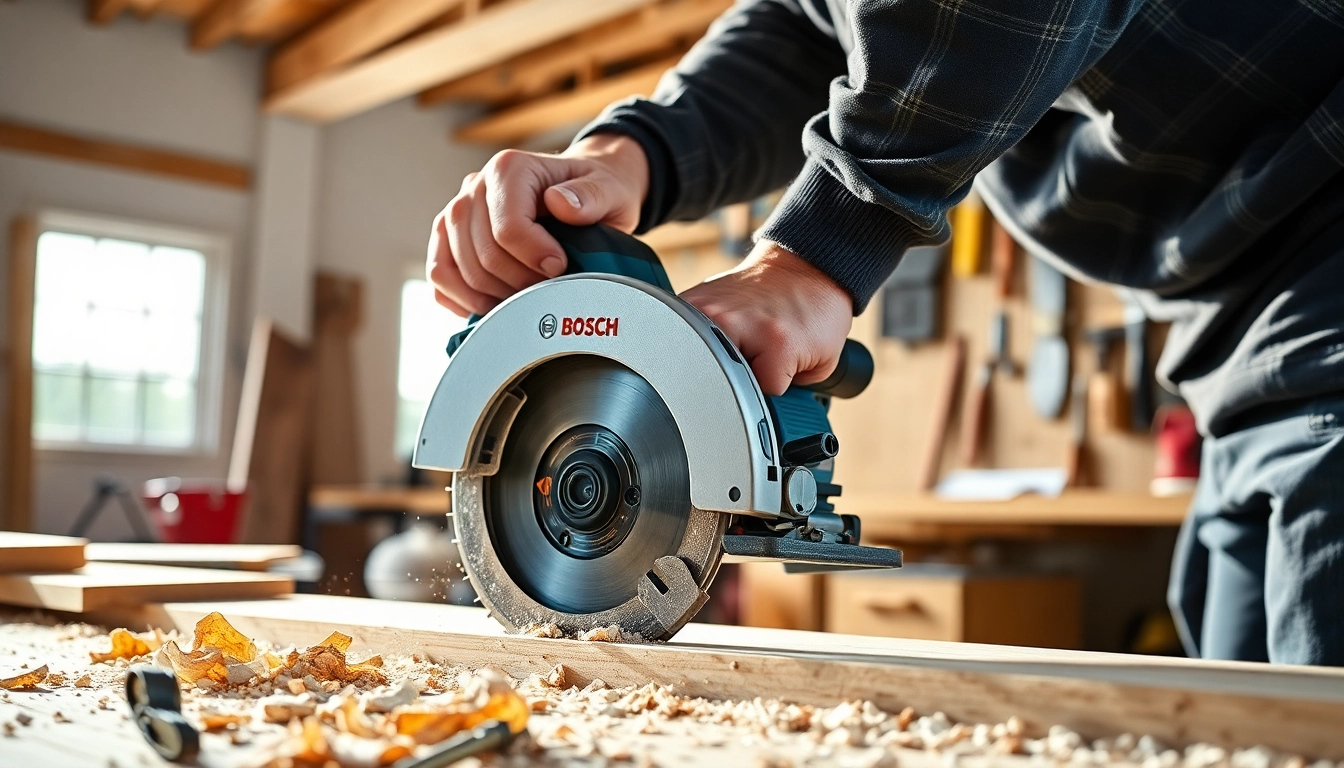
Utilizando la guía para sierra circular Bosch GKS 190 para cortes precisos.

Introducción a la Guía para Sierra Circular Bosch GKS 190

La guía para sierra circular Bosch GKS 190 es una herramienta imprescindible para profesionales y aficionados al bricolaje que buscan calidad y precisión en sus cortes. Este dispositivo no solo facilita el trabajo con distintos tipos de materiales, sino que también optimiza el tiempo y el esfuerzo requeridos en proyectos de carpintería y construcción.

¿Qué es una sierra circular?

Una sierra circular es una herramienta eléctrica conectada a una hoja circular que rota a altas revoluciones. Su principal función es realizar cortes lineales precisos en diversas superficies como madera, plástico, y metal, dependiendo del tipo de hoja utilizada. Las sierras circulares son versátiles y pueden ser empleadas en una variedad de aplicaciones, desde el corte de paneles grandes hasta tareas más finas como el tallado y la elaboración de detalles. La Bosch GKS 190 destaca en este campo, ofreciendo una fusión de potencia y manejabilidad, ideal para cubrir las necesidades de todo tipo de trabajos.

Características destacadas del Bosch GKS 190

La Bosch GKS 190 es reconocida en el mercado por sus características sobresalientes. Entre ellas se incluyen:

  • Potencia: Con un motor de 1400W, permite cortes rápidos y eficientes en materiales duros.
  • Profundidad de corte: Ofrece una profundidad de corte de hasta 70 mm, ideal para secciones gruesas.
  • Ligereza: Su diseño ergonómico y peso liviano (aproximadamente 4.0 kg) facilita su manejo y reduce la fatiga en el usuario.
  • Sistema de ajuste de ángulo: Permite realizar cortes en ángulo de hasta 56 grados, lo que amplía la versatilidad de la herramienta.
  • Hoja de sierra de precisión: Equipado con una hoja de 190 mm, diseñada específicamente para una mayor capacidad de corte y duración.

Beneficios de usar la Bosch GKS 190

Optar por la sierra circular Bosch GKS 190 conlleva una serie de ventajas que optimizan el proceso de corte:

  • Precisión en cada corte: Su diseño y características permiten un acabado de alta calidad, crítico para trabajos profesionales.
  • Versatilidad en aplicaciones: Adecuada para una variedad de materiales incluidos madera, paneles de yeso, y plástico, gracias a la posibilidad de cambiar la hoja fácilmente.
  • Facilidad de uso: Pensada para ser utilizada tanto por profesionales como por aficionados, cuenta con un sistema de seguridad que evita accidentes y errores comunes.
  • Durabilidad: Construida con materiales de alta calidad, lo que asegura un rendimiento óptimo incluso en condiciones exigentes.

Preparación y Seguridad al Usar la Sierra Circular

Antes de comenzar a utilizar la sierra circular Bosch GKS 190, es fundamental seguir ciertas preparaciones y medidas de seguridad para garantizar un entorno de trabajo seguro y eficiente.

Equipamiento personal de seguridad

La seguridad personal debe ser la prioridad. Es imprescindible contar con el siguiente equipamiento:

  • Gafas de seguridad: Para proteger los ojos de fragmentos voladores.
  • Protectores auditivos: La sierra circular puede generar niveles de ruido que, con el tiempo, podrían dañar la audición.
  • Guantes anti-cortes: Aunque la herramienta está diseñada para ser segura, se recomienda usar guantes para evitar lesiones menores.
  • Mascarilla antipolvo: Especialmente importante al trabajar con madera, para evitar inhalar partículas peligrosas.

Configuración del espacio de trabajo

Un espacio de trabajo bien organizado es clave para la seguridad y la eficacia. Asegúrate de:

  • Eliminar obstáculos: Mantén el área libre de objetos que puedan causar tropiezos.
  • Iluminación adecuada: Un buen nivel de iluminación te permitirá ver claramente las marcas de corte y la operación de la herramienta.
  • Utilizar una superficie de corte estable: Asegúrate de que el material a cortar esté bien sujeto y no se desplace durante el corte.

Comprobaciones de seguridad previas

Antes de utilizar la Bosch GKS 190, realiza las siguientes comprobaciones:

  • Verifica que la hoja esté afilada y en buen estado.
  • Asegúrate de que todos los componentes de la sierra estén bien ajustados y seguros.
  • Revisa el cable de alimentación en busca de daños o desgaste.

Técnicas de Corte con la Sierra Circular Bosch GKS 190

Con la sierra circular Bosch GKS 190, dominar varias técnicas de corte te permitirá obtener resultados profesionales en tus proyectos. Aquí abordamos tanto cortes básicos como avanzados.

Cortes básicos: pautas y métodos

Los cortes básicos son esenciales para cualquier proyecto y incluyen:

  • Corte recto: Alinea la hoja con la marca de corte y avanza lentamente para mantener la precisión.
  • Corte a medida: Marca la longitud deseada en el material y utiliza un listón guía para asegurar cortes rectos.

Cortes avanzados: ángulos y alturas

Los cortes en ángulo y a diferentes alturas requieren más precisión:

  • Cortes a 45 grados: Utiliza el medidor de ángulo de la sierra y ajusta la base para un corte en bisel preciso.
  • Cortes en altura variable: Ajusta la profundidad de la hoja según el grosor del material a cortar para evitar accidentes.

Mantenimiento de la hoja de la sierra

El mantenimiento regular es clave para asegurar que la Bosch GKS 190 funcione óptimamente:

  • Limpia la hoja después de cada uso para evitar acumulación de resina y residuos.
  • Revisa la afiladura de la hoja periódicamente y cámbiala si es necesario.
  • Almacena la hoja adecuadamente, evitando daños y corrosión.

Solución de Problemas Comunes en la Bosch GKS 190

A pesar de ser una herramienta robusta, es posible que enfrentes algunos problemas comunes al utilizar la Bosch GKS 190. A continuación, algunas soluciones efectivas.

Problemas de alineación

Si notas que los cortes no son rectos, es probable que exista un problema de alineación:

  • Asegúrate de que la hoja esté correctamente instalada y alineada.
  • Utiliza una guía de corte o un listón recto para mejorar la precisión.

Ruidos o hápticos inusuales

Si experimentas ruidos extraños, podría ser una señal de que algo no está bien:

  • Verifica que la hoja esté bien apretada y no tenga obstrucciones.
  • Escucha si hay ruidos provenientes del motor, lo que puede indicar un desgaste interno.

Cambios de hoja: cuándo y cómo

Cambiar la hoja de la Bosch GKS 190 es fundamental para mantener la calidad de corte:

  • Cambia la hoja cuando notes un esfuerzo excesivo al cortar o si el material se quema.
  • Para cambiarla, asegúrate de desconectar la sierra de la electricidad y utilizar las herramientas adecuadas para el cambio.

Conclusión y Recursos Adicionales

Entender y manejar correctamente la Mister Worker sierra circular Bosch GKS 190 puede transformar la manera en que realizas tus proyectos. Desde la seguridad hasta las técnicas de corte y los problemas comunes, esta guía te proporciona una base sólida para comenzar a trabajar con esta herramienta de manera eficiente y segura.

Resumen de puntos clave

En resumen, la Bosch GKS 190 es una herramienta valiosa que combina potencia y precisión. Seguir las medidas de seguridad, conocer las técnicas adecuadas y mantener el equipo en buenas condiciones son aspectos automáticos para un uso efectivo.

Enlaces a tutoriales y guías adicionales

Para profundizar más en el uso de la Bosch GKS 190, considera buscar tutoriales específicos que ofrezcan demostraciones prácticas y trucos para mejorar tus técnicas de corte.

Consejos de expertos en el uso de la Bosch GKS 190

Finalmente, recuerda que la práctica hace al maestro. No dudes en experimentar con diferentes materiales y técnicas para familiarizarte con esta herramienta y obtener el máximo provecho de tu sierra circular Bosch GKS 190.

Posted on

Elevate Your Space with Cabinet Refacing Saint Petersburg FL Services

Enhance your kitchen with Cabinet Refacing Saint Petersburg FL for a modern finish and expert craftsmanship.

Understanding Cabinet Refacing

What is Cabinet Refacing?

Cabinet refacing is a remodeling option that allows homeowners to give their kitchen or bathroom cabinets a brand-new look without the expense and time commitment of a full cabinet replacement. This process involves replacing the doors and drawer fronts while applying a new veneer or laminate finish to the existing cabinet boxes. It’s an efficient way to revitalize your space while maintaining the structural integrity of your cabinets. For those living in Saint Petersburg, FL, exploring Cabinet Refacing Saint Petersburg FL can be an excellent choice for a budget-friendly home upgrade.

Benefits of Cabinet Refacing

Cabinet refacing offers numerous advantages for homeowners looking to enhance their interiors:

  • Cost-Effective: Refacing is significantly more affordable than replacing cabinets entirely, often reducing costs by up to 50%.
  • Less Waste: Since the existing cabinets remain intact, refacing generates far less waste than complete replacements.
  • Quick Installation: Most refacing projects can be completed in 3 to 5 days, providing a transformed space in a fraction of the time.
  • Variety of Styles: Homeowners can choose from various materials, finishes, and styles, allowing for customization to fit personal tastes.
  • Increased Home Value: A fresh cabinet style can enhance the visual appeal of your home, making it more attractive to potential buyers.

Cabinet Refacing vs. Replacing

A common dilemma homeowners face is choosing between cabinet refacing and complete replacement. Refacing suits those who have structurally sound cabinets but outdated aesthetics. It’s less invasive, typically involving cosmetic changes while preserving good-quality materials. In contrast, complete replacement is necessary when cabinets are damaged or poorly designed. Understanding these differences is crucial for making informed decisions in your renovation projects.

Choosing the Right Materials

Types of Wood and Finishes

When selecting materials for refacing, consider the types of wood and finishes available:

  • Hardwoods: Options like oak, cherry, and maple provide durability and aesthetic appeal.
  • Engineered Wood: Plywood and particleboard can be cost-effective alternatives, often designed to withstand wear.
  • Finishes: Choose between stains, paints, or laminate for the doors and drawer fronts, depending on the desired look and feel of the space.

Cost-effective Options for Cabinet Refacing

Several strategies can reduce costs for your cabinet refacing project:

  • DIY vs. Professional: Determine whether you want to undertake the project yourself or hire professionals. DIY can save money, but professional work ensures a polished look.
  • Sales and Discounts: Look for sales or promotional discounts on materials and services to lower your costs without sacrificing quality.
  • Mix and Match: Combine refaced surfaces with some original elements to create a unique design at a fraction of the overall cost.

Eco-friendly Materials to Consider

Sustainability is important for many homeowners today. Eco-friendly options for cabinet refacing include:

  • Reclaimed Wood: Repurposed wood offers a sustainable option with character and history.
  • Low-VOC Paints: Volatile organic compounds (VOCs) contribute to air pollution. Choose low-VOC paints and finishes for a healthier home environment.
  • Formaldehyde-free Products: Avoid materials that release harmful chemicals over time to ensure a safe living space.

Steps in the Refacing Process

Preparation and Assessment

The initial step in the refacing process involves a careful assessment of your existing cabinets:

  1. Check for structural integrity—ensuring that cabinets are level and firmly mounted.
  2. Choose desired materials and finishes as per the cabinet design and style goals.
  3. Remove all cabinet doors, drawer fronts, and hardware.

Installation Techniques

Understanding installation techniques is key to achieving a professional finish. The main steps include:

  • Skinning: Apply a new veneer, laminate, or wood layer to the cabinet boxes. Ensure all edges are properly aligned and secured.
  • Rehanging Doors: Install the new doors and drawer fronts, aligning them correctly with hinges and ensuring they operate smoothly.
  • Hardware Installation: Attach new handles and pulls, which can add style elements and functionality to your refaced cabinets.

Final Touches and Considerations

Once installation is complete, several final touches can enhance the overall appearance:

  • Adding trim and custom moldings can make a standard kitchen feel more like a custom space.
  • Apply a protective finish to ensure longevity and resistance against daily wear.
  • Conduct a thorough inspection to check for uneven doors or installation flaws before completing the project.

Tips for Maintaining Your Refaced Cabinets

Cleaning Guidelines for Longevity

To sustain the beauty of your refaced cabinets, follow these cleaning guidelines:

  • Use a mild soap and water solution to clean surfaces. Avoid harsh cleaners that can damage finishes.
  • Regularly dust surfaces with a soft, microfiber cloth to prevent buildup from settling.
  • Wipe up spills immediately to avoid staining or damaging the finish.

Dealing with Common Issues

Common issues include:

  • Scratches: Use a furniture touch-up pen for minor scratches.
  • Loose Hinges: Regularly check and tighten cabinet hardware to maintain functionality.
  • Peeling Veneer: If the veneer starts to peel, carefully re-secure it with adhesive for a seamless repair.

When to Consider Professional Help

While many homeowners can tackle refacing projects, there are times it’s wise to hire professionals:

  • Complex configurations or layouts may require expert precision for a successful outcome.
  • If your cabinets have underlying damage, a professional assessment can help determine the best course of action.
  • For those unfamiliar with carpentry or cabinetry, professional help can save time and alleviate stress.

FAQs about Cabinet Refacing in Saint Petersburg FL

How long does cabinet refacing take?

The cabinet refacing process typically takes 2 to 4 days, depending on the scope of the project and preparation.

Can I change my cabinet layout during refacing?

Cabinet refacing is best for maintaining the existing layout. Major changes may require a complete remodel.

What types of finishes can I choose from?

Choose from a variety of wood stains, paints, and laminate finishes to achieve your desired look.

Is cabinet refacing durable?

Yes, quality cabinet refacing can provide a durable finish that lasts many years with proper maintenance.

Are there financing options available?

Many service providers offer financing options; inquire with them for specific plans and details.

Posted on

Enhance Your Space with a Cape Cod Home Addition

A beautifully designed cape cod home addition with an attached garage blending into a serene coastal landscape.

Understanding Cape Cod Home Addition

What is a Cape Cod Home Addition?

A Cape Cod home addition refers to any expansion or enhancement made to the traditional Cape Cod-style home. This architectural style, characterized by steep roofs, dormer windows, and symmetrical design, is iconic in New England. However, as families grow, the need for additional space often arises. A cape cod home addition can encompass anything from an additional bedroom to a complete redesign of existing spaces, seamlessly integrating modern comforts while preserving the classic charm.

Benefits of a Cape Cod Home Addition

Opting for a Cape Cod home addition comes with numerous advantages:

  • Increased Space: As families expand or lifestyles change, additional space becomes essential for comfort and functionality.
  • Enhanced Property Value: A well-designed addition can significantly elevate the market value of your home, making it appealing to future buyers.
  • Improved Lifestyle: Adding extra rooms can accommodate a growing family or create desirable spaces like home offices or playrooms.
  • Personalization: Homeowners can tailor design and functionality to their unique needs, enriching their living experience.

Common Designs and Features

When considering a Cape Cod home addition, various design elements can enhance functionality while retaining the characteristic charm of the original home:

  • Gabled Roofs: Maintaining the steeply pitched rooflines common to Cape Cod homes is crucial for architectural harmony.
  • Dormer Windows: Adding dormers not only increases light and space in the upper levels but also clinches a classic Cape aesthetic.
  • Wooden Siding: Traditional clapboard or shingle siding preserves the home’s original design while improving insulation.
  • Open Floor Plans: Modernizing the interior layout with open spaces can maximize visibility and improve flow.

Planning Your Cape Cod Home Addition

Assessing Your Needs and Goals

The first step in planning your Cape Cod home addition involves assessing your current needs and future goals. Begin by asking yourself critical questions:

  • What specific spaces are lacking in your current layout?
  • Will the addition serve immediate needs, or is it more of a future investment?
  • How will the new space integrate with your existing home structure and landscape?

Creating a clearly defined list of objectives helps steer the design process and ensures the project meets your functional and aesthetic expectations.

Budgeting for Your Project

Establishing a budget is vital for any home addition project. Start by considering:

  • Construction Costs: Obtain quotes from contractors to understand the financial scope of your planned addition.
  • Material Costs: Factor in the expense of materials, which can vary widely based on quality and availability.
  • Permitting Fees: Research local regulations that may require permits, and account for any associated costs.
  • Unexpected Costs: Always set aside a contingency fund, typically 10-20% of your budget, for unexpected expenses.

Choosing the Right Materials

Material choice is crucial not only for aesthetics but also for durability and energy efficiency. Consider the following when selecting materials for your Cape Cod home addition:

  • Insulation: This ensures energy efficiency, especially in the cold New England winters.
  • Exterior Finishes: Choosing materials that mimic or complement the existing structure will help maintain visual cohesion.
  • Windows and Doors: Opt for energy-efficient windows and doors to improve insulation and reduce heating costs.

Designing Your Cape Cod Home Addition

Creating Functional Spaces

Designing functional spaces requires a thoughtful approach that considers how the new areas will be used. Here are some strategies:

  • Identify the purpose of each new room, whether it be a nursery, office, or gym, and allocate space accordingly.
  • Ensure each room has adequate natural light; perhaps consider skylights in areas where windows are limited.
  • Choose furniture and fixtures that harmonize with the existing interiors to maintain a cohesive aesthetic throughout the home.

Blending Architecture with Landscape

Blending your home addition with the landscape is essential for enhancing curb appeal. Here’s how to achieve this:

  • Maintain landscaping features that complement the architectural style of your home, such as low-maintenance plants.
  • Consider outdoor spaces, such as decks or patios, that allow you to enjoy your greenery while merging indoor and outdoor living.
  • Utilize local geological materials in your construction, aligning with the natural aesthetics of the Cape Cod region.

Hiring the Right Architect or Builder

The success of your project relies heavily on the professionals you choose. When hiring:

  • Look for architects and builders with experience specifically in Cape Cod-style homes or similar architecture.
  • Check references and view past projects to gauge quality and style.
  • Conduct interviews to ensure that their design philosophy aligns with your vision and needs.

Building Your Cape Cod Home Addition

Permitting and Legal Considerations

Before construction begins, you’ll need to navigate the permitting process, which can vary by municipality. Key steps include:

  • Research Local Codes: Understand zoning regulations, especially those affecting height, setbacks, and land use.
  • Permit Applications: Gather necessary documentation and submit permit applications to local authorities.
  • Inspections: Schedule inspections at various stages to ensure compliance with building codes.

Project Management Tips

Efficient project management is crucial to keep your Cape Cod home addition on track:

  • Establish a clear timeline with your builder, noting critical milestones.
  • Maintain open lines of communication with your builder and contractor to handle any issues promptly.
  • Regularly update your project plan based on the progress and adapt to any changes or obstacles.

Scheduling and Timeline Planning

Creating a detailed schedule is vital to the success of the addition. Consider the following when crafting your timeline:

  • Outline each phase of the project from design to completion, including estimated timeframes for each step.
  • Account for potential delays, such as weather conditions or supply chain issues, and adjust the timeline accordingly.
  • Keep stakeholders informed of the timeline to ensure everyone is on the same page, which helps in managing expectations effectively.

Post-Completion Considerations

Maintaining Your Cape Cod Home Addition

After the addition’s completion, regular maintenance ensures that the new parts of your home remain in optimal condition:

  • Schedule routine inspections to check for any settling, cracking, or issues that may arise after construction.
  • Keep up with exterior maintenance, including painting and cleaning siding, to protect against weather damage.
  • Regularly evaluate insulation and energy efficiency features to ensure they are performing optimally.

Integrating Landscaping

The addition of new landscaping elements can greatly enhance the overall appeal of your Cape Cod home. Strategies include:

  • Planting native species that thrive in the local climate and require low maintenance.
  • Creating pathways that connect the existing home with the addition, ensuring a cohesive look.
  • Considering outdoor lighting to extend the usable hours of your outdoor spaces.

Maximizing Energy Efficiency

Incorporating energy-efficient solutions during and after your Cape Cod home addition is essential for sustainability:

  • Select energy-efficient appliances and fixtures that will reduce energy consumption.
  • Install efficient windows and doors that minimize heat loss and gain.
  • Incorporate smart home technology to monitor and control energy usage effectively.

Frequently Asked Questions

What are the key considerations before starting a Cape Cod home addition?

Evaluate your needs, budget, and local regulations. Ensure that your design aligns with existing architecture.

How long does a Cape Cod home addition typically take?

Timeframes vary based on complexity, but most additions are completed within 3-6 months from planning to completion.

Are there specific permits needed for a home addition?

Yes, most localities require construction permits that ensure compliance with building codes and zoning regulations.

What materials are best for a Cape Cod home addition?

Stick to traditional elements, such as wood siding and gabled roofs, while also considering modern insulation and energy-efficient choices.

How can I ensure my addition matches my existing home?

Work with an architect familiar with Cape Cod styles and use matching materials to create coherence between old and new structures.

Posted on

Enhancing Your Experience with Elegant Showers Australia

Experience luxurious elegant showers Australia with a modern shower design in a bright atmosphere.

Choosing the Right Elegant Showers Australia

When it comes to bathroom renovations, selecting the perfect shower can significantly uplift your space. With elegant showers Australia, you can transform your daily routines into luxurious experiences. However, making the right choice requires understanding various factors, including shower types, features, and budget considerations.

Understanding Shower Types

Today’s market offers a diverse range of shower types, each serving different needs and preferences. The most common types include:

  • Traditional Showers: Characterized by a straightforward design, these showers offer basic functionality without unnecessary frills.
  • Rain Showers: Ideal for providing a soothing, spa-like experience, rain showers simulate the gentle touch of rainfall.
  • Handheld Showers: Versatile and user-friendly, handheld showers allow for flexible usage, making washing hair and cleaning easy.
  • Multi-Function Showers: These showers combine various settings, offering different spray patterns for a customizable experience.

Key Features to Consider

Choosing the right shower involves assessing key features that enhance your bathing experience. Consider the following:

  • Water Pressure: Understanding your home’s water pressure is vital, as it affects performance and user satisfaction.
  • Shower Heads: Select from various styles, including fixed or adjustable options, to suit your preferences.
  • Material Quality: Opt for durable materials that resist wear and tear while maintaining a stylish appearance.
  • Control Mechanisms: Modern showers may include digital controls that increase convenience and precision in temperature adjustments.

Budgeting for Your Shower Upgrade

Budgeting is a crucial aspect of any renovation project. When upgrading to elegant showers, consider the total costs, including:

  • Initial Purchase: Determine how much you want to spend on the shower unit itself.
  • Installation Costs: Professional installation may incur additional charges. If opting for DIY, ensure you cover all necessary materials.
  • Ongoing Maintenance: Factor in long-term costs associated with upkeep and necessary repairs over time.

Design Inspirations for Elegant Showers Australia

The design of your shower plays a pivotal role in the overall aesthetics of your bathroom. Elegant showers can seamlessly blend style with functionality, creating a tranquil oasis within your home.

Contemporary Design Trends

Staying updated with contemporary design trends is essential for modernizing your bathroom. Here are some popular trends:

  • Minimalism: Clean lines, simple silhouettes, and neutral color palettes help create a clutter-free environment.
  • Biophilic Design: Incorporating natural elements such as stone finishes and plant life to promote a connection with nature.
  • Smart Showers: Integrating technology, such as voice-activated controls and temperature presets, for enhanced convenience.

Combining Functionality and Aesthetics

A successful elegant shower design balances visual appeal with functional benefits. Elements to consider include:

  • Integrated Storage: Shelving or built-in niches for toiletries enhances both functionality and neatness.
  • Lighting Design: Use layered lighting to create a warm atmosphere while enhancing visibility.
  • Color Schemes: Stylish tiles and paint colors that complement each other elevate the entire bathroom design.

Utilizing Space Effectively

In small bathrooms, space is often at a premium. Here are tips for maximizing your shower area:

  • Sliding Doors: These save space and make the area look larger compared to traditional swinging doors.
  • Corner Showers: Utilize desperate areas of the bathroom effectively by placing showers in corners.
  • Frameless Glass Partitions: This option creates an airy feel by allowing light to pass freely.

Installation Tips for Elegant Showers Australia

Installing an elegant shower can be manageable with the right knowledge and preparation. Whether you choose to take a DIY approach or hire professionals, here are essential insights to guide you through the process.

DIY vs Professional Installation

Deciding between DIY and hiring professionals depends on your skills, confidence, and budget. This requires careful consideration:

  • DIY: If you are handy and want to save on labor costs, ensure you research the process and gather adequate materials.
  • Professional Installation: When in doubt, hiring skilled professionals can guarantee quality and compliance with plumbing regulations.

Essential Tools and Materials

If you choose a DIY installation, having the right tools and materials on hand is critical. Here’s what you’ll need:

  • Power Drill: Essential for fixing the shower fixtures securely.
  • Tile Cutter: Important if tiling the shower area.
  • Level and Measuring Tape: For ensuring that everything is installed correctly.

Common Installation Mistakes

A good installation relies on proper techniques. Avoid common mistakes by:

  • Poor Waterproofing: Ensure proper sealing to prevent leaks that can lead to mold.
  • Incorrect Measurements: Double-check all measurements to avoid fitting issues later.
  • Neglecting Ventilation: Adequate ventilation is crucial to avoid moisture problems.

Maintenance of Elegant Showers Australia

Maintaining your elegant shower is vital for longevity and continuous aesthetic appeal. Effectively maintaining your shower involves routine cleaning and care.

Routine Cleaning Best Practices

Routine cleaning prevents buildup and maintains a hygienic space. Here are practical cleaning tips:

  • Weekly Cleaning: Regularly scrub the surfaces using a mild detergent to prevent soap scum and mildew buildup.
  • Water Repellent Coatings: Invest in products that create a protective layer, making cleaning easier.
  • Use the Right Tools: Soft brushes and squeegees help avoid scratching delicate surfaces while cleaning.

Long-Term Care Tips

To prolong the life of your elegant shower, consider the following long-term care tips:

  • Regular Inspections: Check for any signs of leaks or mold and address them promptly.
  • Water Quality: Use water softeners if hard water is an issue, preventing mineral deposits that can cause damage.
  • Professional Check-ups: Schedule regular maintenance with professionals for expert evaluations and repairs.

Detecting and Resolving Common Issues

Being proactive in identifying and resolving common shower issues can save you time and money:

  • Leaking Fixtures: Tighten fittings and check washer integrity to prevent water wastage.
  • Clogged Drains: Regularly clean the drain and use filters to catch hair and debris.
  • Discoloration: Use appropriate cleaning solutions for different materials to address staining without damage.

FAQs About Elegant Showers Australia

What are the benefits of installing an elegant shower?

Elegant showers provide luxury, improve bathroom aesthetics, and can increase home value, making your space more inviting.

How do I choose the right shower head?

Select a shower head based on water pressure, desired spray patterns, and design style that aligns with your bathroom decor.

Can I install a shower myself?

Yes, you can install a shower yourself, provided you have plumbing and tiling skills. Professional installation is recommended for best results.

How often should I clean my shower?

Regular cleaning once a week prevents mold and soap scum buildup, keeping your shower fresh and elegant.

What are popular materials for elegant showers?

Common materials include glass, ceramic tile, and natural stone, each offering unique aesthetics and durability for long-lasting beauty.