Posted on

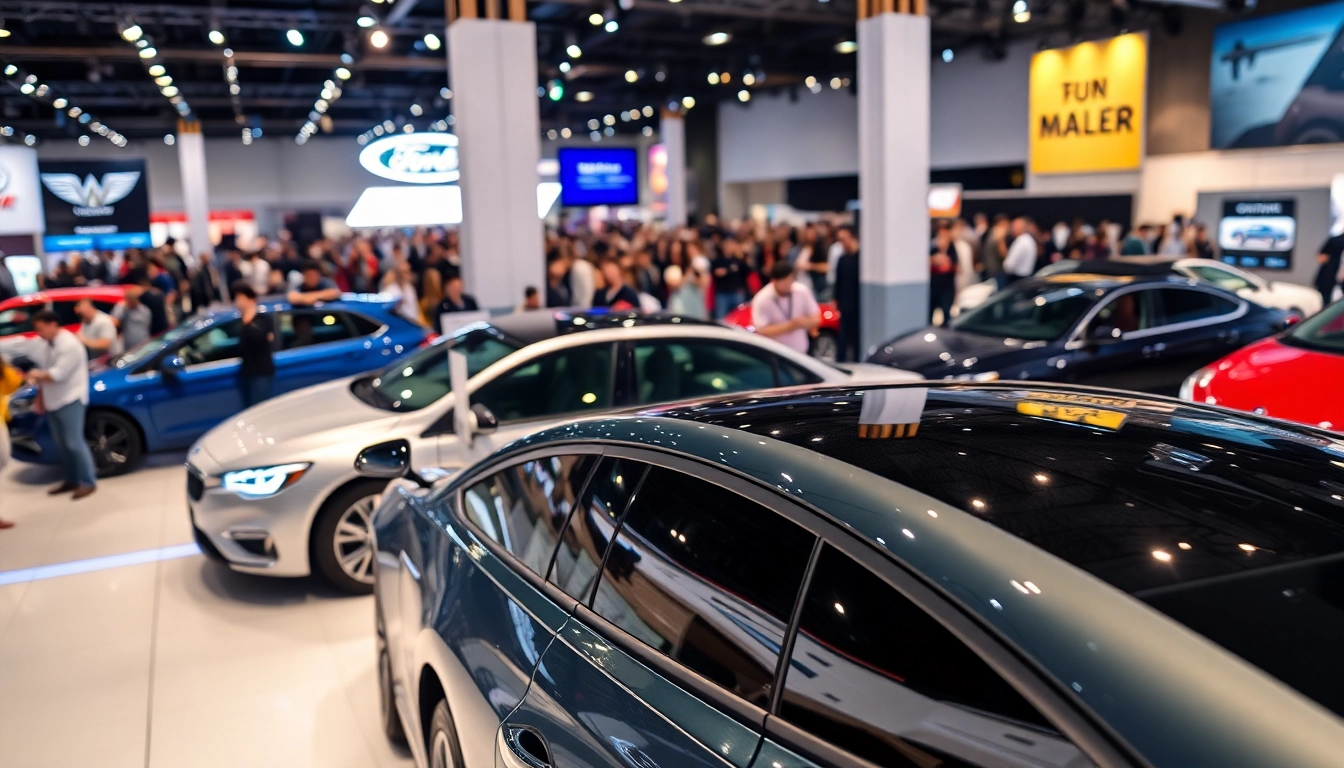
Top Innovations in Vehicle Technology for 2024

Vehicles

Understanding Vehicle Types and Their Functions

The world of vehicles is vast and varied, encompassing a wide range of machines designed for transportation. Understanding the different types of vehicles and their specific functions is essential for anyone looking to make informed decisions about purchasing or utilizing various transportation methods. From personal cars to commercial trucks, each vehicle type serves a unique purpose tailored to meet distinct needs.

Overview of Different Vehicle Categories

Vehicles can be broadly categorized into several types based on their design, function, and use. The most common categories include:

  • Passenger Vehicles: These include sedans, hatchbacks, SUVs, and minivans designed primarily for transporting people.
  • Commercial Vehicles: Trucks, vans, and buses used for transporting goods or providing services.
  • Two-Wheelers: Motorcycles, scooters, and bicycles that offer an economical and agile means of transport.
  • Off-Road Vehicles: Designed for rugged terrains, these include ATVs, dirt bikes, and specialized trucks.
  • Electric and Hybrid Vehicles: A growing segment that includes fully electric cars and hybrids that combine gasoline engines with electric propulsion.

Key Features and Specifications of Common Vehicles

Understanding the specifications and features of vehicles is crucial when assessing their suitability for specific needs. Key features often include:

  • Engine Type: Gasoline, diesel, electric, or hybrid options, each offering various performance levels and fuel efficiencies.
  • Size and Capacity: Dimensions of the vehicle and passenger or cargo capacity.
  • Fuel Efficiency: Measured in miles per gallon (MPG) or equivalent, this impacts long-term operational costs.
  • Safety Ratings: Ratings from organizations such as the National Highway Traffic Safety Administration (NHTSA) or the Insurance Institute for Highway Safety (IIHS).
  • Technology Features: Including infotainment systems, navigation, driver assistance technologies, and connectivity options.

Purpose and Use Cases for Each Vehicle Type

Different vehicle types cater to various needs and use cases:

  • Passenger Vehicles: Ideal for commuting, family trips, and personal travel, they offer comfort and convenience.
  • Commercial Vehicles: Essential for businesses, they transport goods, deliver services, and facilitate logistics operations.
  • Two-Wheelers: Perfect for urban commuting, they provide a flexible and economical alternative to cars.
  • Off-Road Vehicles: Suited for outdoor enthusiasts, these vehicles enable exploration in challenging environments.
  • Electric and Hybrid Vehicles: Increasingly popular among environmentally conscious consumers, they reduce carbon footprints while offering significant savings on fuel costs.

Vehicle Technology and Innovations

The automotive industry is at the forefront of technological advancements, continuously evolving to enhance efficiency, safety, and sustainability. From engine innovations to electric vehicles, technology plays a pivotal role in shaping the future of transportation.

Advancements in Engine Technology and Efficiency

Modern vehicles feature sophisticated engine designs aimed at maximizing efficiency and reducing emissions. Key advancements include:

  • Turbocompounding: An innovative technology that improves fuel efficiency by recovering energy from exhaust gases.
  • Direct Fuel Injection: Enhances power output while improving fuel economy by injecting fuel directly into the combustion chamber.
  • Variable Valve Timing: Optimizes engine performance across a range of speeds and loads, enhancing responsiveness and efficiency.
  • Eco-Friendly Fuels: The rise of biofuels and synthetic fuels is providing more sustainable options for powering internal combustion engines.

For instance, Ford’s EcoBoost technology combines turbocharging and direct injection to deliver impressive power and fuel efficiency, setting a benchmark in the industry.

Exploring Electric and Hybrid Vehicle Technologies

The shift towards electric and hybrid vehicles represents a significant innovation in the automotive sector. Electric vehicles (EVs) operate solely on electric power, while hybrids combine traditional gasoline engines with electric motors. Key elements include:

  • Batteries: Advances in lithium-ion technology have improved range and reduced charging times, making EVs more practical.
  • Regenerative Braking: This technology captures energy normally lost during braking and uses it to recharge the vehicle’s battery.
  • Charging Infrastructure: The expansion of charging stations is vital for the widespread adoption of EVs, with companies like Tesla leading the charge.
  • Government Incentives: Many countries offer tax credits and rebates to encourage the purchase of electric vehicles, making them more accessible.

For example, the Tesla Model 3 has become a market leader, showcasing the potential of EVs with impressive range, performance, and a robust charging network.

Autonomous Vehicles: Current Trends and Future Prospects

Autonomous vehicles, or self-driving cars, are a hot topic in the automotive industry, promising to revolutionize transportation. Current trends include:

  • Level of Automation: Vehicles are categorized into six levels of automation, from Level 0 (no automation) to Level 5 (full automation).
  • LiDAR and Sensor Technology: These technologies enable vehicles to perceive their environment, crucial for navigation and safety.
  • Machine Learning Algorithms: AI plays a key role in enabling vehicles to learn from their surroundings and improve decision-making.
  • Regulatory Challenges: The development of autonomous vehicles faces significant regulatory hurdles that vary by region.

Companies like Waymo and Cruise are already testing autonomous ride-sharing services, indicating a shift towards integrating these technologies into everyday life.

Vehicle Maintenance and Safety Practices

Maintaining a vehicle is critical to ensuring its longevity and safety. Proper care can prevent costly repairs and enhance the driving experience.

Routine Maintenance Essentials for Longevity

Regular maintenance is essential for keeping vehicles in optimal condition. Key practices include:

  • Oil Changes: Regularly changing the engine oil helps maintain engine health and performance.
  • Tire Rotation: Rotating tires every 5,000 to 8,000 miles can prolong tire life and improve handling.
  • Brake Inspections: Regular checks ensure that brakes are functioning correctly, a vital aspect of vehicle safety.
  • Fluid Checks: Monitoring coolant, transmission, and brake fluids helps prevent mechanical failures.
  • Battery Maintenance: Ensuring the battery is clean and connections are secure can prevent starting issues.

For instance, a well-maintained vehicle can last significantly longer; studies show that routine maintenance can extend a car’s lifespan by up to 50%.

Safety Features and Their Importance in Modern Vehicles

Modern vehicles are equipped with an array of safety features designed to protect occupants and reduce the likelihood of accidents. Key features include:

  • Anti-lock Braking System (ABS): Prevents wheel lock-up during braking, maintaining steering control.
  • Electronic Stability Control (ESC): Helps drivers maintain control in slippery conditions by automatically applying brakes.
  • Adaptive Cruise Control: Automatically adjusts speed to maintain a safe distance from the vehicle ahead.
  • Lane Departure Warning: Alerts drivers when the vehicle begins to drift out of its lane without signaling.
  • Automatic Emergency Braking: Detects an impending collision and automatically applies the brakes to prevent impact.

According to the IIHS, vehicles equipped with these technologies can significantly reduce the risk of accidents, demonstrating the importance of safety features in modern designs.

Emergency Preparedness: What Every Vehicle Owner Should Know

Being prepared for emergencies can make a significant difference in critical situations. Essential preparedness tips include:

  • Emergency Kit: Keep a kit that includes first-aid supplies, flashlight, blankets, and basic tools.
  • Spare Tire and Tools: Ensure you have a spare tire, jack, and lug wrench for flat tires.
  • Communication Plan: Have a plan for contacting emergency services and loved ones in case of an accident.
  • Regular Vehicle Checks: Conduct routine checks to ensure your vehicle is roadworthy, especially before long trips.
  • Roadside Assistance: Consider a roadside assistance program for peace of mind during emergencies.

By being prepared, vehicle owners can minimize the risks associated with breakdowns or accidents, ensuring safety for themselves and their passengers.

Vehicle Financing and Ownership Models

Understanding the financial aspects of vehicle ownership is crucial for making informed decisions. Whether buying outright or exploring leasing options, each method has its pros and cons.

Understanding Different Financing Options: Buying vs. Leasing

When it comes to acquiring a vehicle, buyers typically choose between purchasing and leasing. Each option offers distinct benefits:

  • Buying: Offers full ownership, the ability to modify the vehicle, and no mileage restrictions. However, it usually requires a larger upfront payment.
  • Leasing: Allows for lower monthly payments and the opportunity to drive a new vehicle every few years. However, it comes with mileage limits and no ownership at the end of the term.

For example, leasing a vehicle may be advantageous for someone who prefers to drive newer models every few years without the long-term commitment of ownership.

Evaluating Total Cost of Ownership for Vehicles

The total cost of ownership (TCO) goes beyond the purchase price and includes various factors like:

  • Depreciation: The decline in the vehicle’s value over time, which can significantly impact resale value.
  • Insurance Costs: Varies based on the vehicle’s make, model, and safety features.
  • Fuel Expenses: Based on fuel efficiency and driving habits, fuel costs can add up over time.
  • Maintenance and Repairs: Regular maintenance and unexpected repairs contribute to ongoing costs.
  • Financing Costs: Interest rates and loan terms can affect the overall financial obligation.

Using tools like the Edmunds Total Cost of Ownership calculator can provide prospective buyers with a clearer financial picture before making a decision.

Exploring Alternative Ownership Models: Car Sharing and Subscription Services

In recent years, alternative ownership models such as car sharing and subscription services have gained popularity, offering flexibility and convenience:

  • Car Sharing: Services like Zipcar allow users to rent vehicles for short periods, providing access without the responsibilities of ownership.
  • Subscription Services: Companies like Care by Volvo and BMW’s Access offer subscription models where users can switch vehicles based on their needs.
  • Environmental Benefits: These models can promote sustainability by reducing the number of vehicles on the road and encouraging shared usage.

These alternatives cater to urban dwellers and those seeking flexibility, showcasing a shift in how people approach vehicle ownership in today’s economy.

The Future of Vehicles and Sustainable Practices

As environmental concerns grow, the automotive industry is increasingly focused on sustainability. Innovations are being made in vehicle design and manufacturing processes to align with eco-friendly practices.

Impact of Environmental Regulations on Vehicle Design

Governments worldwide are implementing stricter emissions regulations, prompting manufacturers to rethink vehicle designs. Key impacts include:

  • Emissions Standards: Regulations like the U.S. EPA’s Tier 3 standards require manufacturers to reduce harmful emissions significantly.
  • Fuel Economy Standards: Initiatives such as the Corporate Average Fuel Economy (CAFE) standards push automakers to improve fuel efficiency.
  • Incentives for Clean Vehicles: Many governments offer tax credits and rebates for electric and hybrid vehicles, encouraging manufacturers to invest in cleaner technologies.

As a result, many automakers are transitioning to hybrid and electric models to comply with these regulations while meeting consumer demand for greener options.

Emerging Trends in Sustainable Vehicle Manufacturing

Sustainable manufacturing practices are becoming a priority for vehicle production. Key trends include:

  • Recyclable Materials: Manufacturers are increasingly using recyclable and sustainable materials in production, such as bio-based plastics and recycled metals.
  • Energy-Efficient Production: Implementing energy-efficient practices in factories reduces carbon footprints during vehicle manufacturing.
  • Life Cycle Assessment: Evaluating the environmental impact of a vehicle from production to disposal is becoming a standard practice.

For instance, BMW’s commitment to sustainability has led to the development of their “i” series, which focuses on electric mobility and sustainable production methods.

Consumer Trends: How Sustainability Influences Vehicle Choices

Consumer preferences are shifting towards sustainability, influencing their vehicle choices. Factors include:

  • Awareness of Environmental Impact: Consumers are increasingly considering the environmental impact of their vehicle choices, leading to a rise in electric vehicle sales.
  • Desire for Fuel Efficiency: Rising fuel prices have made fuel-efficient vehicles more attractive, prompting buyers to seek hybrids and efficient combustion engines.
  • Brand Reputation: Companies that prioritize sustainability often appeal more to consumers, leading to brand loyalty and preference.

According to a 2022 study by McKinsey, 70% of consumers indicated they would be willing to pay more for a vehicle that is environmentally friendly, highlighting the growing importance of sustainability in the automotive market.

Posted on

Comprehensive Guide to Extended Warranty for Electric Vehicles: Benefits and Coverage

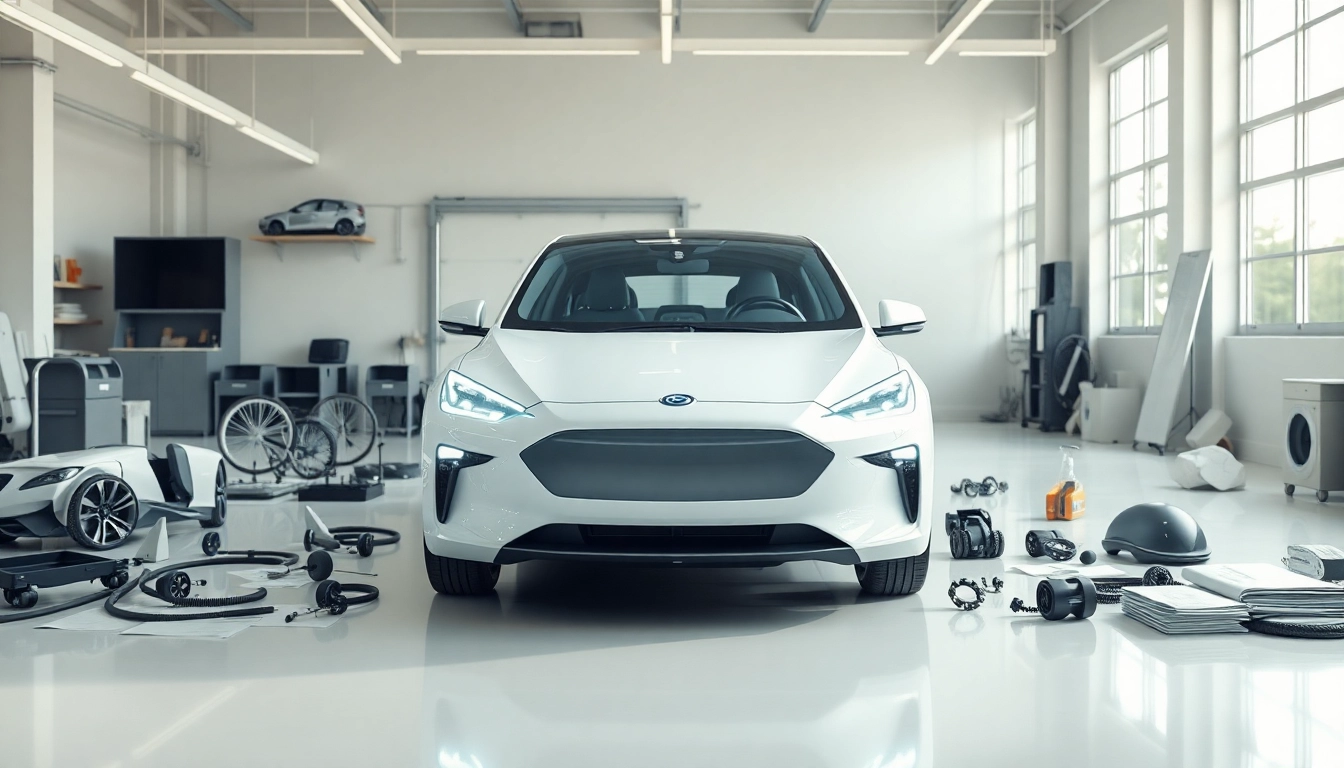
Explore the features of extended warranty for electric vehicles in a modern garage setting.

Understanding Extended Warranty for Electric Vehicles

Definition and Overview of Extended Warranty

An extended warranty is a service contract that extends the coverage of your vehicle beyond the standard manufacturer’s warranty. For electric vehicles (EVs), these warranties can cover essential components that are unique to their technology. This may include coverage for the battery, electrical systems, and various electronic components that are not typically part of traditional automobile warranties. The extended warranty for electric vehicles provides peace of mind to owners by covering potentially high repair costs that could arise after the manufacturer’s warranty has expired.

Importance of Extended Warranty for Electric Vehicles

The rise in popularity of electric vehicles has led to significant advancements in technology, but these improvements often come with higher repair costs. Batteries, for example, represent a considerable investment. An extended warranty can protect against unexpected financial burdens, particularly for those who rely on their EVs for daily transportation. Given the specialized knowledge and parts needed to service EVs, having an extended warranty becomes crucial for cost management.

Common Misconceptions about Extended Warranty

Despite their benefits, several misconceptions surround extended warranties for electric vehicles. One common belief is that these warranties are unnecessary because EVs are more reliable. While it’s true that EVs generally have fewer moving parts, the complexity of their electronic and battery systems can lead to expensive repairs. Another misconception is that all extended warranties are the same. In reality, coverage can vary significantly by provider, making it essential to carefully compare options.

Types of Extended Warranty Coverage Available

Comprehensive vs. Powertrain Coverage

When considering an extended warranty for your electric vehicle, it’s important to understand the types of coverage available. Comprehensive coverage typically includes a wide range of parts and systems, such as the battery, electric motor, and all major components. Powertrain coverage, on the other hand, is more limited and usually focuses on the essential systems that propel the vehicle, which may not include all electrical systems. Choosing the right type depends on your priorities and driving habits.

Electronics and Battery Warranty Specifications

Given that electric vehicles rely heavily on electronic systems and batteries, specific coverage related to these components is vital. Many extended warranties offer separate battery coverage, which might include repairs or replacements should the battery fail. Additionally, warranties can cover the intricate electronics that control various functions in the vehicle, reducing potential out-of-pocket expenses for these costly repairs. It is crucial to read the specifications of what is included in the electronics and battery warranty to avoid surprises later.

Third-Party vs. Manufacturer Warranties

When exploring an extended warranty, you typically have two options: third-party providers and manufacturer-backed warranties. Manufacturer warranties tend to offer coverage that aligns closely with the original manufacturer’s standards, ensuring that repairs and components are handled according to specific guidelines. Third-party warranties can be more flexible and might offer a wider range of coverage options, but they can vary greatly in quality. Prospective buyers should thoroughly vet providers and their contracts to make informed decisions.

Benefits of Choosing an Extended Warranty

Protection Against Unexpected Repair Costs

The primary benefit of an extended warranty for electric vehicles is the protection it offers against unforeseen repair costs. Electric vehicles can incur substantial unexpected expenses, particularly as they age and if they experience battery or electronic failures. An extended warranty can help mitigate these costs, ensuring drivers aren’t financially burdened by high repair bills that could otherwise disrupt their budget.

Peace of Mind for EV Owners

Owning an electric vehicle can be worry-free, especially with the added assurance of an extended warranty. Knowing that you have coverage against potential issues allows for a more enjoyable driving experience. Owners can confidently make longer trips or rely on their EVs for daily commutes without the fear of significant repair costs looming over them.

Potential Increases in Vehicle Resale Value

Another notable advantage of having an extended warranty is the potential boost it can give to the resale value of the vehicle. Prospective buyers often look for vehicles that come with warranties, as it indicates the vehicle has been maintained and reduces their risk. This feature can make it easier to sell your electric vehicle in the future, providing you with a larger return on your initial investment.

How to Select the Right Extended Warranty

Assessing Personal Driving Habits and Vehicle Usage

Before selecting an extended warranty, it’s crucial to consider your driving habits and how you use your vehicle. If you are a frequent driver who relies on your EV for daily commutes or long-distance travel, a comprehensive warranty might be beneficial. Conversely, if you use your EV primarily for short trips, a more limited powertrain coverage might suffice. Understanding your usage can help you choose the most appropriate coverage for your needs.

Comparing Warranty Plans and Terms

With various extended warranties available, it’s essential to compare plans and terms carefully. Look for coverage details that matter most to you, including deductibles, claim limits, and what components are covered. It’s helpful to use comparison tools or spreadsheets to evaluate different offerings side-by-side, ensuring that you find the warranty that provides the best value for your money.

Reading the Fine Print: What to Look For

Understanding the fine print of any warranty agreement is critical. Pay attention to any exclusions, such as maintenance-related issues, damage from accidents, or modifications to the vehicle. Some warranties may also include clauses that can affect your ability to file a claim. Thoroughly read your contract and ask questions to ensure you fully understand your coverage before making a decision.

FAQs About Extended Warranty for Electric Vehicles

What is typically covered under an extended warranty?

Most extended warranties cover major components like the battery, drivetrain, and electronics, but specifics can vary by plan.

Is an extended warranty worth it for an electric vehicle?

Yes, it can provide financial protection against costly repairs, especially for battery and electronic components specific to EVs.

How can I choose the best extended warranty provider?

Research providers, read customer reviews, and compare coverage options to ensure comprehensive protection for your needs.

Are there any exclusions in extended warranties?

Yes, exclusions may include regular wear and tear, accidents, misuse, and maintenance issues. Always read the contract fully.

Can I transfer my extended warranty when selling my vehicle?

Many warranties are transferable, which can enhance the resale value of your electric vehicle. Check the specific terms of your warranty.

Posted on

Enhancing Your Vehicle’s Comfort and Style with Ceramic Window Tint

See how ceramic window tint enhances style and clarity in this elegant car interior.

Understanding Ceramic Window Tint

What is Ceramic Window Tint?

Ceramic window tint is a specialized film commonly used in automotive and residential window applications, designed to enhance privacy, reduce glare, and improve energy efficiency. Unlike traditional tints, ceramic window tint employs advanced technology that utilizes ceramic particles, providing superior heat rejection without impairing visibility. These films are unapologetically clear and can block up to 99% of harmful UV rays, an essential feature for maintaining skin health. Ceramic window tint is increasingly favored by individuals looking for both aesthetic and functional enhancements to their vehicles or homes.

Benefits of Ceramic Window Tint

The advantages of ceramic window tint extend beyond mere aesthetics. One significant benefit is the exceptional heat rejection capability, which minimizes the internal temperature of your vehicle, ensuring a more comfortable driving experience, especially during hot summer months. Additionally, because ceramic window tint is non-metallic, it does not interfere with electronic signals, such as GPS and mobile devices, which can be a concern with other metallic films.

Moreover, the longevity of ceramic window tint is remarkable. Unlike cheaper alternatives, ceramic films are designed to be scratch-resistant and maintain their appearance over time, ensuring that investment remains visually appealing. Another compelling benefit is the UV protection these films offer; with consistent exposure to sunlight, these tints play a pivotal role in safeguarding your skin and your vehicle’s interior from fading and cracking.

How Ceramic Window Tint Compares to Other Types

When choosing window tints, it is crucial to understand how ceramic window tint stands in comparison to other varieties, such as dyed, metalized, and hybrid tints. Dyed window tints are the most affordable but offer lesser heat rejection and durability. They fade over time and can impact visibility due to color degradation.

Metalized tints provide decent heat rejection but come with several downsides, such as signal interference and potential peeling. Hybrid tints combine some qualities of dyed and metalized films, yet they cannot compete with the performance and durability that ceramic window tints offer. In essence, ceramic window tint stands out as the top option for those seeking maximum performance and longevity.

Installation Process of Ceramic Window Tint

Preparation Steps for Tinting

Installing ceramic window tint requires thorough preparation to ensure effective application. First, you need to select the right film based on your goals and local regulations. Next, clean your windows meticulously to remove dirt, dust, and any residue – a crucial step for attaining a smooth finish. For regular window applications, using a glass cleaning solution is advisable, while ensuring the glass is completely dry before proceeding with the tinting process.

It’s essential to work in a dust-free environment to prevent debris from adhering to the tint during installation. If you’re installing on a vehicle, ensure your vehicle interior is secured and the windows are fully rolled down to allow for complete access for installation.

Professional vs. DIY Installation

While some individuals may opt for a DIY approach to ceramic window tint installation, the reality is that professional installation often yields more reliable results. Professionals possess the expertise to ensure the film is applied smoothly without air bubbles or imperfections. Moreover, they have access to advanced tools and techniques that can enhance the quality and durability of the tint.

For the DIY enthusiast, several online resources are available, but it requires a significant amount of time and patience, and mistakes can lead to costly corrections. If cost is a major concern, weighing the potential benefits of professional installation against DIY methods is advisable.

Tools Required for Installation

If you decide to install the ceramic window tint yourself, several tools will be necessary for a successful installation. Key tools include:

  • Utility knife or razor blade for precision cutting
  • Spray bottle filled with soapy water for application
  • Squeegee to smooth out the film
  • Measuring tape to ensure correct film dimensions
  • Lint-free cloths to prevent scratches on glass and ensure surfaces are free of debris

Having these tools on hand can streamline the installation process and improve the final results.

Maintaining Ceramic Window Tint

Cleaning Tips for Longevity

Maintaining your ceramic window tint is essential to ensure its longevity and performance. It is recommended to wait at least 30 days after installation before cleaning to allow the adhesive to cure properly. Once set, use a gentle glass cleaner with a soft cloth to avoid scratching the film. Avoid ammonia-based cleaners, as they can damage the tint over time.

Additionally, regular dusting and lightly cleaning with plain water can keep the surfaces looking new. For stubborn stains, create a mix of mild detergent and water to gently scrub the area without harming the tint.

Avoiding Common Mistakes

Many common mistakes can jeopardize the integrity of the ceramic window tint. One frequent error is using abrasive cleaning tools, which can scratch and damage the film. Another mistake is neglecting to follow the recommended curing period before cleaning or rolling down windows. Furthermore, parking in direct sunlight for prolonged periods during the optimal curing phase can lead to bubble formation and untimely deterioration of the tint.

Being mindful of these practices can significantly increase your ceramic window tint’s lifespan and performance.

Signs of Degrading Tint

Understanding the signs of degrading ceramic window tint can help you address issues before they worsen. Common symptoms include bubbling, peeling, or discoloration of the film. If the tint appears cloudy or displays any streaks, it may indicate that moisture has penetrated between the film and the glass, a signal that professional intervention is necessary.

A timely assessment and repair can prevent more extensive damage, ensuring you continue to enjoy the benefits of your ceramic window tint.

Legal Considerations of Window Tinting

Understanding Local Regulations

Window tinting laws vary widely based on your geographic location. Before installing ceramic window tint, it is critical to familiarize yourself with local regulations governing permissible tint percentages and reflective properties. Many regions have specific laws related to the allowable darkness of window tint on both the front and rear windows, which can affect your vehicle’s compliance status.

Failure to adhere to local regulations can result in fines and potentially void any warranty you might have on your vehicle. Therefore, thorough research into local laws is essential before making decisions about window tinting.

Permitted Tinting Levels

Permitted tinting levels differ significantly from state to state. Typically, states will categorize tint based on front windshield transmittance, allowing for higher percentages of tint on rear windows. Some states may permit a tint percentage of 35% for the front, while others may require a clear standard. Be sure to consult your town or state regulations to confirm the allowable limits for your vehicle.

Understanding these permitted levels can ensure compliance and increase your awareness of the available options for installing ceramic window tint.

Consequences of Non-compliance

Failure to comply with local tinting regulations can lead to severe consequences, from monetary fines to potential vehicle inspections. If found non-compliant, you may be required to remove the tint, which can lead to added expenses and dissatisfaction with the vehicle’s aesthetic. In extreme cases, repeat violations can lead to further penalties, such as points against your driving record.

Ultimately, ensuring you remain compliant with local laws is advantageous for your peace of mind, allowing you to enjoy your ceramic window tint without the looming threat of legal repercussions.

Cost Considerations for Ceramic Window Tint

Factors Affecting Tinting Prices

The cost of ceramic window tint installation varies based on several factors, including the size of the vehicle, the type of ceramic film chosen, and the expertise of the installer. Larger vehicles like SUVs typically incur higher costs due to the increased material and labor involved. Moreover, the quality of the ceramic film plays a significant role in overall pricing; premium options may come at a higher price but offer superior performance and longevity.

Lastly, factors such as location and the installation company’s reputation can also influence the price. It’s always beneficial to secure multiple quotes before finalizing a decision.

Comparing Costs: Professional vs. DIY

When weighing professional installation against a DIY approach, the cost is a primary consideration. Professional installations typically cost more due to labor fees and guarantees of quality work. However, they can save you time and potential rework due to improper installation.

Conversely, while DIY installation may seem economical, the hidden costs of poor execution could outweigh initial savings if you face problems down the road. It is wise to factor in the long-term value of each option before making a decision.

Long-term Value of Ceramic Window Tint

Investing in ceramic window tint can deliver considerable long-term value. Aside from the undeniable aesthetic appeal, the film’s heat rejection and UV protection can lead to lower energy costs and prolonged vehicle resale value. Long-term exposure to sun damage can degrade a vehicle’s interior; ceramic film mitigates these effects, thereby safeguarding your investment.

Therefore, although the initial costs may be higher than traditional alternatives, the benefits extended through energy savings and preservation of your vehicle’s integrity create a persuasive argument for opting for ceramic window tint.

Frequently Asked Questions

How long does ceramic window tint last?

Ceramic window tint typically lasts between 10 to 15 years, depending on installation quality and maintenance.

Can ceramic window tint be removed?

Yes, ceramic window tint can be removed safely by professionals using specialized tools and techniques without damaging the glass.

Will ceramic window tint affect my visibility?

No, ceramic window tint is designed for superior clarity, enhancing privacy without significantly affecting visibility.

Is professional installation worth the cost?

Yes, hiring professionals ensures a flawless application, reducing the likelihood of issues and prolonging the tint’s lifespan.

Can I wash my car after getting window tint?

It’s advisable to wait at least 30 days before washing your car to let the tint fully cure without damage from moisture.

Posted on

Comprehensive Guide to EV Charging Solutions for Sustainable Mobility

Showcasing EV charging solutions with modern charging stations in a vibrant urban setting.

Understanding EV Charging Solutions

As the world shifts towards sustainable transportation, EV charging solutions have become integral to the infrastructure that supports electric vehicles (EVs). These solutions not only facilitate the charging of electric vehicles but also contribute significantly to reducing greenhouse gas emissions and promoting energy efficiency. This article delves into the various aspects of EV charging solutions, exploring their types, importance, installation procedures, and future trends.

What are EV Charging Solutions?

EV charging solutions refer to the technology and infrastructure that enable the charging of electric vehicles. This includes charging stations, connectors, and the software systems that manage the charging process. The primary goal of these solutions is to provide an efficient, quick, and user-friendly way for EV owners to recharge their vehicles, making the transition from conventional gasoline-powered cars to electric alternatives smoother. These solutions vary from home charging units to public charging stations, offering diverse options to meet different user needs.

Importance of EV Charging Solutions in Urban Areas

In urban environments, the adoption of electric vehicles is rapidly increasing due to government incentives and a growing environmental consciousness among consumers. EV charging solutions play a crucial role in this transition by serving as the backbone for urban mobility. Here are some reasons why their importance is paramount in cities:

  • Reduction of Carbon Emissions: As more citizens adopt electric vehicles, the reliance on fossil fuels decreases, leading to a significant reduction in air pollution.
  • Convenience for EV Owners: Urban charging stations provide greater accessibility, encouraging more drivers to switch to electric vehicles.
  • Support for Public Infrastructure: Well-placed charging solutions enhance the usability of public transport and promote multimodal transit options.

Types of EV Charging Solutions Available

The landscape of EV charging solutions is diverse, catering to different user preferences and charging scenarios. The main types include:

  • Level 1 Charging: This involves standard 120-volt outlets commonly found in homes. It’s the slowest method and is best suited for overnight charging.
  • Level 2 Charging: Utilizing a 240-volt outlet, Level 2 chargers significantly reduce charging time, making them ideal for residential and commercial installations.
  • DC Fast Charging: The fastest charging option available, which can charge an EV to 80% in around 30 minutes. These are typically found in public charging stations along highways.
  • Wireless Charging: An emerging technology allowing vehicles to charge without physical connections. While still in development, wireless charging holds promise for increased convenience.

Choosing the Right EV Charging Solutions for Your Needs

Selecting the appropriate charging solution depends on various factors ranging from usage patterns to location. Understanding these considerations can assist potential EV owners and businesses in making informed choices.

Factors to Consider When Selecting EV Charging Solutions

When evaluating EV charging solutions, consider the following:

  • Charging Speed: Determine the charging speed that best fits your lifestyle. Level 2 and DC fast chargers are typically preferred for quicker refueling.
  • Installation Space: Evaluate the available space for installation, particularly for residential setups, ensuring compliance with local codes.
  • Cost and Incentives: Account for initial installation costs and long-term savings. Look for governmental rebates and incentives.
  • Accessibility: Especially in commercial scenarios, it’s critical to assess how easily users can access the charging stations.

Residential vs. Commercial EV Charging Solutions

Home charging solutions offer convenience for individual users, while commercial solutions can cater to a larger audience. Here’s how they differ:

Residential Charging Solutions

These are typically Level 1 or Level 2 chargers installed at home. They provide the ease of charging overnight, ensuring that vehicles are ready each morning. For many EV owners, this is the most practical solution.

Commercial Charging Solutions

Ideal for businesses, commercial charging solutions can attract customers, support employees, and increase overall sustainability efforts. They often include a mix of Level 2 and DC Fast Charging units to accommodate various user needs.

Top Features of Effective EV Charging Solutions

To ensure a seamless user experience, effective EV charging solutions should possess several essential features:

  • User-friendly Interfaces: Intuitive designs and interfaces facilitate easy operation.
  • Smart Features: Integrating smart technology allows for features like mobile app monitoring and remote diagnostics.
  • Payment Flexibility: Accepting various payment options enhances user convenience.

Installation and Maintenance of EV Charging Solutions

Proper installation and ongoing maintenance are crucial for the longevity and efficiency of EV charging installations.

Steps to Install EV Charging Solutions

Here’s a streamlined process for installing EV charging solutions:

  1. Site Assessment: Conduct a thorough assessment of the location for electrical capacity and space.
  2. Select the Charger: Choose the appropriate charger based on speed and volume of usage.
  3. Hire Qualified Electricians: Engage licensed professionals to ensure the installation meets local electrical codes.
  4. Test the Installation: After installation, conduct tests to ensure functionality.

Regular Maintenance Tips for EV Charging Solutions

Regular upkeep guarantees reliable performance:

  • Inspect Connections: Regularly check for wear and tear on connectors and cables.
  • Software Updates: Keep the charging station’s software updated for optimal performance and security.
  • Cleansing: Maintain cleanliness on charging surfaces and surrounding areas to promote safety.

Common Issues and Troubleshooting EV Charging Solutions

Being prepared for potential issues can save time and resources:

  • Connection Problems: If the charger is not connecting, inspect the plug and socket for damage.
  • Power Issues: Check the main power supply and circuit breakers if the charger fails to supply power.
  • Software Glitches: Restarting the charging unit often resolves many temporary software issues.

Incentives and Cost-Effectiveness of EV Charging Solutions

Understanding the cost implications and available incentives is crucial when investing in EV charging solutions.

Grants and Rebates for EV Charging Solutions

Many governments and municipalities offer grants and rebates to incentivize the installation of EV chargers. This financial support can offset the initial purchase and installation costs, making it more affordable for businesses and homeowners.

Long-term Cost Savings with EV Charging Solutions

Investing in EV charging solutions can lead to significant savings over time. These savings are derived from reduced fuel costs, lower maintenance expenses compared to gasoline vehicles, and potential tax credits.

Evaluating ROI for Implementing EV Charging Solutions

Calculating the return on investment (ROI) involves comparing the cost of installation and maintenance against the savings generated from fuel reduction and potential income from charging fees in a commercial setting. A positive ROI can underscore the value of investing in these technologies.

Future Trends in EV Charging Solutions

Keeping an eye on emerging trends in EV charging solutions is vital for stakeholders in the electric vehicle ecosystem.

Technological Innovations in EV Charging Solutions

Future innovations may include ultra-fast charging stations, wireless charging advancements, and integration with renewable energy sources. These developments could enhance charging speed and efficiency.

Impact of Government Policies on EV Charging Solutions

Policies promoting electric vehicle adoption and infrastructure development will significantly influence the EV charging market. Future regulations can drive investments and innovations in this sector.

Preparing for the Growth of EV Charging Solutions Market

With the anticipated growth in electric vehicle adoption, stakeholders need to proactively develop scalable and adaptable EV charging solutions that will comfortably accommodate future demand.

FAQs About EV Charging Solutions

1. What are EV charging solutions?

EV charging solutions encompass the infrastructure and technology needed for charging electric vehicles, including charging stations and management systems.

2. How long does it take to charge an electric vehicle?

Charging time varies based on the charger type. Level 1 chargers may take several hours, while Level 2 chargers can reduce that time to a few hours, and DC fast chargers can charge an EV to 80% in about 30 minutes.

3. Are there financial incentives for installing EV chargers?

Yes, many governments offer grants, tax rebates, and other financial incentives to encourage the installation of EV charging solutions, making it more affordable.

4. Can I install a home EV charger myself?

While DIY installation is possible, it is recommended to hire a licensed electrician to ensure safety and compliance with local codes.

5. What maintenance do EV charging solutions require?

Regular maintenance includes checking connections, updating software, and cleaning charging surfaces to ensure safe and reliable operation.

Posted on

Comprehensive Guide to EV Charging Solutions for Every Need

Enhancing EV charging solutions with modern chargers in an eco-friendly urban environment.

Understanding EV Charging Solutions

In recent years, the surge in electric vehicle (EV) use has called for innovations and improvements in EV charging solutions. As more consumers make the switch to electric vehicles, the necessity for reliable and efficient charging solutions becomes ever more apparent. Comprehensive and effective EV charging solutions are essential for both residential and commercial applications, addressing the needs of a diverse range of users while also contributing to a greener planet.

What are EV charging solutions?

EV charging solutions refer to the technologies, infrastructure, and services that enable the safe and efficient charging of electric vehicles. These solutions encompass everything from home charging stations to public charging networks. EV charging solutions are designed to facilitate the charging process, ensuring that electric vehicle users can easily access power whenever required. They include various types of chargers, their installation, management, and optimization systems.

Types of EV charging solutions available

There are several types of EV charging solutions designed to meet different needs:

  • Home Charging Stations: Typically Level 1 or Level 2 chargers installed at residences, allowing EV owners to charge overnight.
  • Public Charging Stations: Located in public spaces such as parking lots, malls, and highways. These often include fast chargers for quick top-ups.
  • Workplace Charging: Charging stations installed at workplaces, allowing employees to charge their cars during work hours.
  • Fleet Charging Solutions: Tailored for businesses with EV fleets, incorporating management systems for optimal charging times and energy usage.
  • Mobile Charging Solutions: Portable charging units that can be deployed in various locations to provide flexibility.

How EV charging works

EV charging operates based on the principle of transferring electrical energy from a power source to an electric vehicle’s battery. Depending on the charger type, the process can vary:

  • AC Charging: In alternating current (AC) charging, the vehicle’s onboard charger converts AC power to DC power, which charges the battery. Level 1 and Level 2 chargers use this method.
  • DC Charging: Direct current (DC) charging bypasses the onboard charger and directly supplies DC power, leading to faster charging times. This is commonly seen in fast chargers.
  • Smart Charging: Incorporates technology that allows charging sessions to be scheduled, monitored, and optimized based on electricity rates or grid demand.

Benefits of Implementing EV Charging Solutions

The implementation of EV charging solutions brings several benefits, not just for the users but also for the community and the environment.

Environmental benefits

One of the most significant benefits of EV charging solutions is their positive impact on the environment. Electric vehicles produce zero tailpipe emissions, significantly reducing urban air pollution. Moreover, as the electricity supply increasingly relies on renewable sources, the overall carbon footprint of electric vehicles continues to decrease.

Cost savings over time

Although the initial cost of an EV and its charging setup may seem high, the long-term cost savings can be substantial. EVs typically have lower operating costs compared to traditional gasoline vehicles, including cheaper refueling costs and reduced maintenance expenses. Additionally, the availability of incentives and rebates for the installation of charging stations can further offset initial expenses.

Increased property value

Residences and businesses that offer EV charging solutions often see an increase in property value. As electric vehicles gain popularity, potential buyers and tenants view available charging stations as an attractive amenity. For businesses, providing charging options can enhance customer satisfaction and encourage more foot traffic.

Choosing the Right EV Charging Solutions

Not all EV charging solutions are created equal. When selecting the right options, several factors must be considered to ensure optimal performance and user satisfaction.

Factors to consider when selecting

When determining the best EV charging solution, consider the following factors:

  • Charging Speed: Evaluate the charging speed needed based on user needs and peak demand times.
  • Installation Location: Assess the suitability of the installation site, including accessibility and electrical capacity.
  • Cost: Analyze the total cost of ownership, including installation, maintenance, and energy consumption.
  • Scalability: Consider future growth needs—choosing systems that can grow with increasing EV adoption.
  • Compatibility: Ensure chargers are compatible with various EV models and standards.

Best locations for installation

The location of charging stations plays a crucial role in their utility and effectiveness. Ideal locations include:

  • Residential Areas: Homes with dedicated charging ports facilitate everyday use.
  • Commercial Properties: Offices, hotels, and retail locations can attract customers with charging amenities.
  • Parks and Recreation Areas: Charging stations in parks and recreational facilities can encourage longer visits.
  • Highway Rest Stops: Fast chargers along highways can ensure travelers can recharge quickly during long journeys.

Evaluating user needs

Understanding the specific user’s charging habits and preferences is essential when planning charging solutions. For instance, some may require fast charging for quick top-ups, while others might prefer slower, overnight charging options. Conducting surveys or interviews can provide valuable insights into user needs and preferences.

Best Practices for EV Charging Solutions Installation

Proper installation of EV charging solutions is paramount for safety, efficiency, and reliability. Following best practices can minimize challenges associated with installation and operation.

Planning and preparation steps

Before installation, thorough planning is necessary. Key steps include:

  • Assessing the site’s electrical capacity and infrastructure.
  • Consulting with licensed electricians to determine suitable chargers.
  • Ensuring that all required permits and regulations are met.
  • Considering location-specific factors such as accessibility, visibility, and security.

Common installation challenges

Some challenges during installation may include:

  • Utility regulations that may affect installation layout and costs.
  • Technical issues related to site electrical infrastructure.
  • Logistical challenges with securing permits and public access.

Safety regulations and compliance

Adherence to local, state, and federal safety regulations is crucial for managing risks associated with electricity and high-powered charging equipment. Compliance ensures safe operation and minimizes liability for property owners. Engaging a qualified electrician or a certified installer can help ensure that all equipment is installed according to regulatory standards.

Future Trends in EV Charging Solutions

The EV charging landscape is evolving rapidly, with several trends suggesting where the industry is headed. Understanding these trends can better prepare individuals and organizations for future developments.

Technological advancements

Technology continues to drive advancements in EV charging solutions. Innovations like smart chargers, vehicle-to-grid technology, and wireless charging are transforming how we approach EV infrastructure. These advancements enhance user experience through convenience, increased efficiency, and cost savings.

Market growth predictions

The EV charging solutions market is anticipated to see significant growth as electric vehicles become more mainstream. This growth will necessitate expanding the charging infrastructure to accommodate increasing demand and drive innovation in service delivery.

Government incentives and support

Government incentives play a critical role in encouraging the adoption of EV charging solutions. Policies supporting clean energy initiative funding can promote widespread adoption of electric vehicles and charging installations. Incentives can include reduced installation costs, tax credits, and grants that support businesses and individuals in transitioning to electric mobility.

Frequently Asked Questions (FAQs)

1. What are the different types of EV chargers?

There are mainly three types of EV chargers: Level 1 (standard household outlets), Level 2 (240V, faster charging), and DC Fast Chargers (rapid charging). Each type serves different charging needs based on speed and convenience.

2. How long does it take to charge an electric vehicle?

The charging time varies depending on the charger type and vehicle model. Level 1 chargers can take over 12 hours, Level 2 chargers 4 to 8 hours, while DC Fast Chargers can charge an EV to 80% in about 30 minutes.

3. Are there public charging networks available?

Yes, many public charging networks exist, allowing EV drivers to charge at various locations, such as parking lots, shopping centers, and along highways, often through membership programs or pay-per-use.

4. Do EV charging stations require special permits?

Yes, local jurisdictions may require permits for the installation of EV charging stations. It is crucial to consult building codes and regulations prior to installation to ensure compliance.

5. Can I install a charger at home?

Yes, many homeowners can benefit from installing a Level 2 charger for more convenient and faster charging. Consulting with a licensed electrician is advisable to assess home electrical capacity and installation requirements.

Posted on

Enhancing Precision and Performance with the Alamo 15 Trigger

Understanding the Alamo 15 Trigger

The Alamo 15 trigger is a significant advancement in firearm accuracy and performance. Designed for enthusiasts and professionals alike, it enhances user experience by improving the overall trigger pull, offering a blend of reliability and comfort. This piece delves into its key features, benefits, and contrasts with alternative triggers available in the market.

Key Features of Alamo 15 Trigger

The Alamo 15 trigger boasts several features that set it apart:

  • Smooth Trigger Pull: One of its standout features is a smoother than standard trigger pull. Achieving a consistent weight can greatly improve firing precision.
  • Enhanced Reset: The trigger offers a shorter and more tactile reset, making follow-up shots faster and more intuitive.
  • Durable Construction: Made from high-quality materials, the Alamo 15 trigger is known for its durability, withstands extensive use, and maintains its performance over time.
  • Easy Installation: Engineered for hassle-free installation, even those not experienced can swap out their existing trigger with relative ease.

Benefits of Upgrading to Alamo 15 Trigger

Upgrading to the Alamo 15 trigger offers numerous benefits that can enhance the shooting experience:

  • Improved Accuracy: With a constant pull and enhanced reset, users can experience improved accuracy, leading to better overall shooting performance.
  • Increased Confidence: Knowing that the firearm is fitted with a high-quality trigger can bolster the user’s confidence, allowing them to focus solely on their marksmanship.
  • Customization Options: The Alamo 15 trigger often comes with various customization options to suit an individual’s shooting style and preferences, further enhancing performance.
  • Reduced Fatigue: A well-designed trigger reduces hand strain during extended shooting sessions, allowing users to prolong their practice without discomfort.

Comparing Alamo 15 Trigger to Alternatives

When comparing the Alamo 15 trigger to other options, the differences become clear. Many alternatives provide basic functionality; however, they may lack the refinement and user-focused design found in the Alamo 15 trigger:

  • Standard Triggers: Conventional triggers might offer a standard pull weight but often suffer in consistency, causing unpredictability in performance.
  • Competition Triggers: While some target the competitive shooting market with adjustable pulls, they can be overly complex and not user-friendly for the average shooter.
  • Drop-In Triggers: Other drop-in varieties might focus on quick installation but compromise on feel and tactile feedback, which the Alamo 15 trigger excels at.

Installation of the Alamo 15 Trigger

Installing the Alamo 15 trigger is a straightforward process, but it is essential to approach it with care to ensure proper functionality.

Tools Required for Installation

Before beginning, gather the following tools:

  • Armorers wrench
  • Allen wrench (specific size for the trigger screws)
  • Flathead screwdriver
  • Safety glasses

Step-by-Step Installation Guide

  1. Ensure Firearm is Unloaded: Safety first; always check that the firearm is cleared and safe before beginning work.
  2. Remove Existing Trigger: Using the armorers wrench and Allen wrench, unscrew and carefully remove the existing trigger from the lower receiver.
  3. Install Alamo 15 Trigger: Position the Alamo 15 trigger into the receiver, aligning it with the designated holes.
  4. Tighten Screws: Securely fasten the screws with the Allen wrench, making sure not to over-tighten to avoid damage.
  5. Test the Trigger: Before putting the firearm back together, pull the trigger to confirm that it operates smoothly and resets correctly.

Troubleshooting Common Installation Issues

During installation, users may encounter several common issues:

  • Trigger Not Resetting: If the trigger doesn’t reset, double-check the alignment and the tightness of the screws.
  • Stiff Pull: A stiff pull may indicate incorrect installation. Revisit the installation process to ensure all components are in place.
  • Rattling Noise: If there is rattling, inspect for loose parts or screws that may need tightening.

Maintenance Tips for Alamo 15 Trigger

Regular maintenance is crucial for the longevity and performance of the Alamo 15 trigger. Below are vital maintenance tips:

Regular Maintenance Practices

To keep your Alamo 15 trigger in optimal condition, consider the following practices:

  • Routine Cleaning: Clean the trigger assembly regularly to remove debris and gunpowder residue that can affect performance.
  • Inspection: Periodically inspect the trigger and components for signs of wear or damage.
  • Lubrication: Apply a light lubricant specifically designed for firearm components to keep the moving parts functioning smoothly.

Signs of Wear and Tear to Watch For

As with all mechanical parts, triggers show signs of wear over time. Be vigilant for:

  • Inconsistent Pull: If the trigger feels variable in pull weight, it may require attention or replacement.
  • Difficulty Resetting: A trigger that fails to reset properly may indicate internal wear that needs professional evaluation.
  • Unusual Noises: Clicking or grinding noises suggest that there may be a buildup of dirt or damage within the mechanism.

Cleansing and Care Products

Select appropriate cleaning and maintenance products designed for firearms to ensure effective care. Look for:

  • Firearm Cleaner: Non-abrasive cleaners for regular use.
  • Lubricating Oil: Specially formulated oils that maintain smooth function.
  • Gun Wipes: Disposable wipes designed for gun cleaning that can help speed up the process.

Performance and Accuracy with Alamo 15 Trigger

The Alamo 15 trigger plays a vital role in enhancing shooting performance and accuracy. Here’s how:

Improving Shooting Accuracy

The enhancements that come with the Alamo 15 trigger lead to significant improvements in shooting accuracy. A smoother pull provides:

  • Less Disruption: Reducing the chance of disrupting aim as a shooter pulls the trigger lowers shot dispersion.
  • Consistent Weight: Having a consistent trigger weight across pulls allows shooters to better predict the trigger break.
  • Tactile Feedback: The commendable tactile feedback informs the user when to anticipate the reset, improving timing for follow-up shots.

The Impact of Alamo 15 Trigger on Performance

In practical applications, the Alamo 15 trigger has shown to have a measurable impact:

  • Rapid Follow-Up Shots: The light, crisp pull allows shooters to transition quickly between targets efficiently.
  • Reduced Group Size: Users frequently report tighter groupings on targets, attributing their success to the improved trigger design.
  • Enhanced User Experience: Overall, the enjoyment and comfort provided by a better trigger leads to more practice and improved skills.

Real-world Applications and User Feedback

Testimonials from firearm users reveal the Alamo 15 trigger’s effectiveness:

“Since I installed the Alamo 15 trigger, I’ve noticed a dramatic improvement in my accuracy; it feels like I’m shooting a completely different rifle.”

From competitive shooters to hobbyists, many have praised the trigger’s functionality, especially in high-pressure scenarios where every shot counts.

FAQs about Alamo 15 Trigger

What makes the Alamo 15 trigger better than standard triggers?

The Alamo 15 trigger offers a smoother pull, shorter reset, and enhanced durability, significantly improving shooting performance and user confidence.

How do I install the Alamo 15 trigger safely?

Ensure the firearm is unloaded, gather the necessary tools, and follow the step-by-step installation guide for a safe process.

What maintenance is recommended for the Alamo 15 trigger?

Regular cleaning, inspection for wear, and appropriate lubrication are essential practices for maintaining the Alamo 15 trigger’s performance.

Can I use the Alamo 15 trigger with all firearms?

The Alamo 15 trigger is specifically designed for certain firearm models, and it is essential to verify compatibility before installation.

How does the Alamo 15 trigger affect shooting accuracy?

Improved trigger pull and reset lead to better aim stability, making it easier for shooters to hit their targets consistently.

Posted on

Verkauf von Can-Am Fahrzeugen: So steigern Sie den Wert und die Attraktivität

Verkauf von Fahrzeugen auf https://moto-ankauf.de/can-am-verkaufen mit beeindruckenden Details und glänzender Optik.

Einführung in den Verkauf von Can-Am Fahrzeugen

Der Verkauf von Can-Am Fahrzeugen wird immer populärer, nicht nur unter Offroad-Enthusiasten, sondern auch in einer breiteren Audience. Wenn Sie daran denken, Ihr Can-Am Fahrzeug zu verkaufen, gibt es viele Faktoren, die Sie berücksichtigen sollten, um die besten Ergebnisse zu erzielen. Von der Vorbereitung Ihres Fahrzeugs bis hin zu den Verkaufskanälen gibt es entscheidende Schritte, die Ihre Erfahrung verbessern können. Aktuelle Trends und Marktentwicklungen entschlüsseln die besten Strategien, die Sie nutzen können. Besuchen Sie für weitere Informationen auch https://moto-ankauf.de/can-am-verkaufen.

Was sind Can-Am Fahrzeuge?

Can-Am Fahrzeuge, die ursprünglich von Bombardier Recreational Products (BRP) hergestellt werden, sind vielseitige Freizeitfahrzeuge, die sich ideal für Abenteuer auf und abseits der Straße eignen. Diese Fahrzeuge sind in verschiedenen Modellen erhältlich, darunter Quads, Side-by-Side, und Spyder Motorräder. Ihr markantes Design und die gelieferten Leistungen stellen sicher, dass sie sowohl für Freizeitfahrer als auch für ernsthafte Offroad-Enthusiasten attraktiv sind.

Warum Can-Am Fahrzeuge verkaufen?

Es gibt zahlreiche Gründe, Ihre Can-Am Fahrzeuge zu verkaufen. Vielleicht wollen Sie auf ein neueres Modell umsteigen, oder Sie haben einfach den Wunsch, Ihr Freizeitfahrzeug nicht mehr zu nutzen. Unabhängig von den Gründen ist es wichtig, den Verkaufsprozess strategisch anzugehen, um den besten Preis zu erzielen und eine reibungslose Erfahrung zu gewährleisten. Das wachsende Interesse an Stories von Abenteuerreisen sowie die steigende Nachfrage nach Offroad-Fahrzeugen machen diesen Moment besonders attraktiv für Verkäufer.

Überblick über den Verkaufsprozess

Der Verkaufsprozess für ein Can-Am Fahrzeug kann in mehrere Phasen unterteilt werden. Zuerst gilt es, Ihr Fahrzeug ordentlich zu bewerten und die notwendigen Papiere und Dokumente zu sammeln. Anschließend sollten Sie sich überlegen, über welche Kanäle Sie verkaufen möchten. Online-Plattformen, neben private Verkäufe, sind Optionen, die Sie sorgfältig abwägen sollten. Zu guter Letzt ist eine faire Verhandlungsstrategie entscheidend für einen erfolgreichen Abschluss. Jedes dieser Elemente trägt entscheidend zum Gesamterfolg Ihres Verkaufsprozesses bei.

Marktanalyse für Can-Am Fahrzeuge

Trends im Fahrzeugverkauf

Aktuelle Trends zeigen, dass der Markt für Can-Am Fahrzeuge in den letzten Jahren stetig gewachsen ist. Ein steigendes Interesse an Outdoor-Aktivitäten und Abenteuertouren hat die Nachfrage nach diesen Fahrzeugen erhöht. Käufer sind zunehmend bereit, in qualitativ hochwertige Modelle zu investieren, die sowohl in der Freizeit als auch im täglichen Gebrauch einer höheren Möglichkeit bieten, was den Wert Ihrer zu verkaufenden Fahrzeuge steigern kann. Berücksichtigen Sie saisonale Aspekte des Marktes, wie z.B. die Sommermonate oder bevorstehende Feiertage, wenn Sie Ihre Verkaufsstrategie planen.

Wettbewerbsanalyse: Wer kauft Can-Am Fahrzeuge?

Die Hauptkäufer von Can-Am Fahrzeugen bestehen oft aus Outdoor-Enthusiasten, Familien, Abenteurern und auch gewerblichen Nutzern, die die Fahrzeuge für verschiedene Anwendungen verwenden möchten. Dazu gehören Landwirtschaft, Bauwesen und Freizeitaktivitäten. Die Identifikation dieser Käufergruppen wird entscheidend sein, um spezifische Verkaufsargumente zu entwickeln, die genau auf die Bedürfnisse dieser Käufer zugeschnitten sind.

Typische Käuferprofile verstehen

Menschen, die Can-Am Fahrzeuge kaufen, kommen aus verschiedenen Altersgruppen und sozialen Schichten. Jüngere Käufer, insbesondere solche, die aktiv Outdoor-Abenteuer suchen, wollen oft die neuesten Modelle und Technologien. Ältere Käufer hingegen sind möglicherweise an Classic-Modellen interessiert und schätzen die Robustheit und Zuverlässigkeit. Das Verständnis dieser verschiedenen Käuferprofile wird Ihnen helfen, effektive Marketingstrategien zu entwickeln, um die richtigen Interessenten zu erreichen.

Vorbereitung zum Verkauf Ihrer Can-Am Fahrzeuge

Wichtige Schritte zur Fahrzeugbewertung

Um Ihr Can-Am Fahrzeug erfolgreich zu verkaufen, sollten Sie eine umfassende Bewertung durchführen. Berücksichtigen Sie den aktuellen Marktwert, den Zustand des Fahrzeugs und etwaige verbesserte Merkmale. Online-Plattformen bieten spezielle Tools zur Fahrzeugbewertung, die Ihnen eine realistische Schätzung geben können. Denken Sie daran, sowohl die positiven als auch negativen Aspekte Ihres Fahrzeugs transparent darzustellen.

Dokumentation und Papiere vorbereiten

Die Organisation aller notwendigen Dokumente ist ein entscheidender Schritt im Verkaufsprozess. Dazu gehören der Fahrzeugbrief, der Serviceheft sowie alle relevanten Reparatur- und Wartungsunterlagen. Käufer suchen oft nach gut dokumentierten Fahrzeugen, um Vertrauen und Sicherheit in ihre Kaufentscheidung zu erhalten. Eine vollständige und gut strukturierte Dokumentation kann den Verkaufsprozess erheblich erleichtern.

Fahrzeugvorbereitung und Aufbereitung

Zustand und Präsentation Ihres Fahrzeugs sind entscheidend für den Verkaufsprozess. Eine gründliche Reinigung, gegebenenfalls das Beheben kleinerer Mängel und das Aufbereiten von Lack und Innenraum können helfen, einen besseren Preis zu erzielen. Betrachten Sie die Möglichkeit, Ihr Fahrzeug vor dem Verkauf professionell aufbereiten zu lassen, um den Gesundheitszustand und den Wert im Auge zu behalten. Die ersten Eindrücke sind oft entscheidend für die Kaufentscheidung potenzieller Käufer.

Verkaufsmöglichkeiten für Can-Am Fahrzeuge

Online-Plattformen für den Verkauf

Der Online-Verkauf ist eine der populärsten Möglichkeiten, ein Can-Am Fahrzeug zu verkaufen. Plattformen ermöglichen eine gezielte Ansprache potenzieller Käufer. Überlegungen wie die Auswahl der richtigen Plattform und die Art der Präsentation Ihres Fahrzeugs sind essentiell. Stellen Sie sicher, dass Sie hochqualitative Fotos und detaillierte Beschreibungen beifügen, um das Interesse zu erhöhen und die Chancen auf einen schnellen Verkauf zu maximieren.

Direktverkauf vs. Handelsoptionen

Wenn es um den Verkauf geht, haben Sie die Wahl zwischen einem Direktverkauf an einen Käufer oder dem Verkauf an einen Händler. Ein Direktverkauf kann potenziell höhere Gewinne bringen, jedoch erfordert er mehr Aufwand, während Händlerangebote oft sofort verfügbar sind, aber häufig niedriger ausfallen. Prüfen Sie die Vor- und Nachteile beider Optionen, um herauszufinden, welche für Ihre individuelle Situation am vorteilhaftesten ist.

Verhandlungstechniken für bessere Preise

Verhandlungen sind ein wesentlicher Bestandteil des Verkaufsprozesses. Um bessere Preise zu erzielen, sollten Sie sich gut vorbereiten und realistische Preisvorstellungen formulieren. Zeigen Sie Ihrem potenziellen Käufer den Wert Ihres Fahrzeugs anhand von Pflegehistorie, Qualität und den zusätzlichen Features auf. Ein freundlicher, geduldiger Ansatz kann helfen, eine Win-Win-Situation für beide Parteien zu schaffen und die Chancen auf einen erfolgreichen Verkauf zu erhöhen.

Nach dem Verkauf: Was nun?

Übergabeprozess und rechtliche Aspekte

Nach dem erfolgreichen Verkauf ist der Übergabeprozess bekanntlich nicht zu vernachlässigen. Stellen Sie sicher, dass alle rechtlichen Aspekte berücksichtigt sind und dass das Fahrzeug ordnungsgemäß abgemeldet sowie alle notwendigen Papiere übergeben werden. Ein fehlerfreier Übergabeprozess ist wichtig, um Missverständnisse und Probleme in der Zukunft zu vermeiden. Klären Sie alle rechtlichen Anforderungen und Verzögerungen zu Beginn, um Zeit und Sorgen zu sparen.

Kundenfeedback einholen

Das Einholen von Kundenfeedback ist nicht nur gut für Ihr Geschäft, sondern hilft bei der Verbesserung der Verkaufsstrategien in der Zukunft. Feedback von Käufern kann Ihnen helfen zu verstehen, welche Aspekte des Verkaufsprozesses gut liefen und wo möglicherweise noch Verbesserungsbedarf besteht. Nutzen Sie dieses Feedback, um Ihre Verkaufsplattformen und -strategien kontinuierlich zu optimieren.

Marktforschung für zukünftige Verkäufe

Nach dem Verkaufsprozess ist es wichtig, die Markttrends und Käuferpräferenzen weiterhin zu beobachten. Dies wird Ihnen helfen, zukünftige Verkaufsstrategien besser zu planen. Führen Sie eine Nachbearbeitung des Prozesses durch, bei der Sie die Preise, das Käuferverhalten und die insgesamt durchgeführten Verkäufe analysieren. So exklusiv und nachhaltig Ihre Mechanismen auch sind, die Marktforschung wird es Ihnen ermöglichen, sich an die sich ständig ändernden Märkte anzupassen.

Posted on

Experience the Thrill of the Auto Cars Show: Highlights and Insights

Visit the vibrant auto cars show with new car displays and enthusiastic attendees enjoying the event.

Introduction to the Auto Cars Show

The Auto Cars Show represents a vibrant celebration of automotive innovation, culture, and enthusiasm. These events gather car enthusiasts, industry professionals, and the general public under one roof to witness the latest automotive advancements. From cutting-edge electric vehicles to nostalgic classics, auto shows showcase a diverse array of vehicles that appeal to a wide audience. Each year, these shows not only highlight the current trends in the automotive sector but also set the stage for the future of mobility.

What is the Auto Cars Show?

The Auto Cars Show is more than just an exhibition; it is an immersive experience that brings together manufacturers, designers, and consumers. These events feature a vast array of vehicles ranging from the latest electric models to conventional combustion engine automobiles. Attendees have the opportunity to explore numerous interactive zones, participate in discussions, and experience the innovations driving the automotive industry forward. Whether you are a die-hard car enthusiast or just curious about the latest trends, the Auto Cars Show has something to offer everyone.

The Appeal of Auto Cars Shows

Auto Cars Shows are appealing for several reasons. They serve as a vital platform for automotive manufacturers to launch new vehicles and concepts. Attendees can witness the unveiling of next-generation designs, advancements in technology, and breathtaking automotive art. Moreover, the show often provides a unique opportunity to engage with industry professionals, offering insights that are not readily available elsewhere. For the general public, it is a chance to experience the excitement of the automotive landscape firsthand and explore the myriad options available in the market today.

History and Evolution of Auto Cars Shows

The origins of Auto Cars Shows can be traced back to the late 19th and early 20th centuries, when manufacturers first sought to display their newest models to potential buyers. These early exhibitions were modest affairs, often held in local community centers or small venues. However, as the automotive industry expanded, so too did these displays. The first significant auto show is often credited to the 1900 Paris Auto Show, which showcased a variety of brands and captured the public’s imagination.

Over the decades, Auto Cars Shows have evolved into major events, often staged in expansive venues, featuring not just static displays but also dynamic presentations and interactive exhibits. Today’s shows reflect the shift towards electric and hybrid vehicles, with a greater emphasis on sustainability and technology. The historic shift from traditional fuel sources to alternative energy demonstrates how these exhibitions respond to changing consumer preferences and regulatory environments.

Key Attractions at the Auto Cars Show

Featured Manufacturers and Their Innovations

One of the primary attractions at the Auto Cars Show is the array of featured manufacturers showcasing their latest innovations. Major automotive brands often use this platform to reveal state-of-the-art technology, from advanced safety features to fully electric vehicles that promise zero emissions. Visitors can expect to see displays of cutting-edge technologies like autonomous driving systems, artificial intelligence-influenced navigation, and innovative sustainable materials used in vehicle manufacturing.

Additionally, niche manufacturers and startups frequently take the stage alongside established giants, introducing groundbreaking concepts and prototypes. These smaller players often focus on sustainability, offering eco-friendly solutions that challenge traditional automotive approaches and invigorate the market with fresh ideas.

Interactive Experiences for Attendees

Auto Cars Shows are well-known for their interactive experiences that engage participants beyond merely viewing vehicles. Many shows include test-driving opportunities, allowing attendees to feel the power of the latest models firsthand. Additionally, many venues incorporate virtual reality (VR) setups or simulators that transport visitors to different driving experiences and environments. These immersive experiences help people connect deeply with the vehicles on display.

Workshops, Q&A sessions with industry experts, and live demonstrations are often featured, providing attendees insight into automotive engineering, design, and technology. Such interactions allow enthusiasts to learn more about the intricacies of vehicle development and the challenges faced in the automotive industry today.

Vehicle Categories on Display

The diversity of vehicle categories displayed at the Auto Cars Show is impressive. From mainstream sedans to luxury vehicles and everything in between, attendees can explore a broad spectrum of automotive offerings. Key vehicle categories often highlight:

  • Electric Vehicles (EVs): With the growing emphasis on clean energy, electric vehicles dominate many auto shows, showcasing innovations in battery technology and performance.
  • Hybrid Vehicles: These vehicles illustrate a transitional phase in automotive development, combining traditional engines with electric technology.
  • Sports Cars: A passion for speed and performance brings sports cars to the forefront, with manufacturers displaying their latest high-performance models.
  • Classic Cars: Nostalgic displays often attract significant interest, featuring well-preserved vehicles that tell the story of automotive heritage.
  • Concept Cars: Observing concept cars is perhaps the most exciting aspect, as these designs give a glimpse into the future of motoring.

Planning Your Visit to the Auto Cars Show

Essential Tips for First-Time Attendees

For those planning to attend an Auto Cars Show for the first time, preparation can enhance the experience significantly. Here are essential tips to keep in mind:

  • Plan Ahead: Review the show’s schedule, including vehicle unveilings, workshops, and keynotes. Prioritize the events you wish to attend to make the most of your time.
  • Arrive Early: Given the popularity of these shows, arriving early can help you avoid long lines and secure spots at popular exhibits and sessions.
  • Wear Comfortable Shoes: Be prepared to walk extensively throughout the venue. Comfort is crucial as guests often spend hours exploring.
  • Engage with Exhibitors: Don’t hesitate to ask manufacturers and exhibitors questions. They often have valuable insights that can enhance your understanding and enjoyment.

Ticket Information and Access

Acquiring tickets in advance is a wise choice for those looking to attend the Auto Cars Show. Many shows offer online ticket purchasing options, often presenting discounts for early buyers. Additionally, VIP tickets may grant access to exclusive events, behind-the-scenes experiences, or priority seating for presentations.

Access typically varies by event, so familiarize yourself with the venue layout and designated entry points to ensure a smooth arrival. Be mindful of additional fees for parking and any on-site amenities you may wish to use.

Transportation and Accommodation Near the Venue

Transportation logistics can be a significant consideration when attending the Auto Cars Show. Many venues are located in urban centers, providing easy access to public transport options such as buses and trains. Attendees should check local transit schedules and plan accordingly to avoid last-minute inconveniences.

For those traveling from out of town, securing accommodation close to the venue can provide convenience and comfort. Booking hotels early is advisable, as rooms may fill quickly during popular auto shows. Look for accommodations offering shuttle services to and from the venue for additional ease.

Networking Opportunities at the Auto Cars Show

Meeting Industry Professionals and Influencers

The networking potential at the Auto Cars Show is immense. From industry leaders to emerging talents, the event attracts a diverse array of professionals. Attendees can connect with manufacturers, designers, engineers, and automotive journalists, presenting opportunities for collaboration, mentorship, and sharing of insights.

By attending various workshops and networking events within the show, professionals can deepen their industry knowledge, make critical connections, and foster relationships that may benefit their careers. For younger attendees or those new to the field, this can be an invaluable chance to establish themselves in the automotive community.

Workshops and Seminars to Attend

A significant portion of any Auto Cars Show is dedicated to educational seminars and workshops. These sessions cover a wide range of topics, from sustainable automotive technologies to marketing strategies in the auto industry. High-profile speakers from various sectors often share their insights on current trends and future projections.

Participating in these sessions can enrich attendees’ knowledge and provide a broader perspective on the automotive landscape. Moreover, these workshops often facilitate discussion, encouraging attendees to ask questions, share experiences, and network with both presenters and fellow participants.

Building Connections in the Automotive Field

Establishing connections during the Auto Cars Show can prove advantageous for both personal and professional development. Attendees should take advantage of social media platforms, sharing their experiences, insights, and thoughts throughout the event. Engaging with industry professionals online can also help solidify those relationships post-event, leading to potential opportunities for collaboration or mentorship.

Many attendees find that following up after the show is beneficial, whether through email, LinkedIn, or industry forums. Maintaining these connections is essential for ongoing learning and growth within the automotive field.

Post-Show Reflections and Trends

Emerging Trends in Automotive Technology

As attendees return from the Auto Cars Show, reflections on emerging trends and technologies take center stage. Key trends observed include a marked shift towards sustainability, with increased focus on electric and hybrid vehicles dominating discussions. Consumers are more informed than ever, seeking out eco-friendly options and demanding transparency concerning vehicle emissions and manufacturing processes.

In addition, connectivity and digital experience have become paramount. Modern vehicles are increasingly equipped with advanced telematics and infotainment systems, revolutionizing the way drivers interact with their cars. Enhanced safety features powered by artificial intelligence and machine learning are also gaining traction, promising to enhance road safety in unprecedented ways.

The Future of Auto Cars Shows

The future of Auto Cars Shows is likely to see integration with digital solutions, potentially offering hybrid experiences that include both physical displays and virtual access. Digital platforms may allow participants to experience key presentations, view vehicles in augmented reality, or even engage in live Q&A sessions from home.

Furthermore, auto shows may increasingly focus on the consumer experience, tailoring sessions based on audience interests and emerging concerns in the automotive space. Gender inclusivity and diversity in automotive design may garner greater emphasis, ensuring that various perspectives are represented within the industry as it progresses.

Key Takeaways from the Event

Attending the Auto Cars Show provides invaluable insights into the automotive industry, offering glimpses of future innovations and trends. Key takeaways often include enhanced knowledge of current vehicle offerings, technological advancements, and an expanded professional network. Furthermore, the event serves as a reminder of the importance of sustainability and the role of innovation in shaping a responsible automotive future.

Reflecting on these elements can help attendees apply what they’ve learned in their professional or personal pursuits, ensuring they are well-informed and engaged within the evolving landscape of the automotive world.