

Anxiety is a natural part of life, but when it becomes frequent or intense, it can interfere with daily activities, relationships, and overall well-being. Understanding Anxiety symptoms and learning practical coping steps can help individuals manage their feelings and maintain emotional health. Calm Minds Hub is here to simplify anxiety knowledge and provide clear, actionable guidance for anyone looking to understand and manage their anxiety effectively.
Understanding Anxiety Symptoms
Anxiety symptoms are physical, emotional, and behavioral signs that your body is responding to stress or perceived threats. While occasional worry is normal, persistent anxiety can negatively impact mental and physical health.
Common Emotional Anxiety Symptoms
- Persistent worry or fear about everyday situations
- Irritability or restlessness
- Feeling overwhelmed or on edge
- Difficulty concentrating or making decisions
For example, someone might feel excessively worried about an upcoming presentation, even if they are prepared, and this worry may persist for days. Emotional anxiety symptoms can lead to strained relationships and decreased work or school performance.
Physical Anxiety Symptoms
- Rapid heartbeat or palpitations
- Muscle tension or aches
- Shortness of breath or dizziness
- Sweating, trembling, or nausea
- Sleep disturbances, such as difficulty falling or staying asleep
These physical symptoms often occur because the body enters a “fight or flight” mode, releasing stress hormones like adrenaline. A student preparing for an exam may notice their heart racing and hands shaking, even though they are safe at home.
Behavioral Anxiety Symptoms
- Avoiding certain situations, such as social events or public speaking
- Procrastination or difficulty completing tasks
- Excessive reassurance-seeking
- Changes in eating or sleeping patterns
Behavioral changes can create a cycle where avoidance increases anxiety over time. For instance, someone avoiding social gatherings may feel isolated, which can worsen anxiety symptoms and affect mood.
Practical Coping Steps for Anxiety
Understanding anxiety symptoms is just the first step. Implementing practical coping strategies can significantly reduce anxiety’s impact on daily life.
Step 1: Identify Your Triggers
Knowing what situations, thoughts, or environments trigger anxiety can help you prepare and respond more effectively. Keep a journal to note:
- Situations that increase anxiety
- Thoughts or worries associated with the situation
- Physical reactions or emotional changes
For example, if public speaking triggers anxiety, noting how you feel before, during, and after presentations can help identify patterns and prepare coping strategies.
Step 2: Practice Mindful Breathing
Deep breathing can calm the nervous system and reduce physical anxiety symptoms. Try this technique:
- Sit or lie down in a comfortable position.
- Inhale slowly through your nose for a count of four.
- Hold your breath for a count of four.
- Exhale slowly through your mouth for a count of six.
- Repeat for several minutes until you feel calmer.
Mindful breathing helps lower heart rate, reduces muscle tension, and improves focus during stressful situations.
Step 3: Challenge Negative Thoughts
Cognitive distortions, like catastrophizing or overgeneralization, can amplify anxiety. Challenge negative thoughts by asking:
- “Is this thought based on facts or assumptions?”
- “What is the worst-case scenario, and can I handle it?”
- “Are there alternative ways to view this situation?”
For instance, if you fear failing an exam, remind yourself of your preparation and past successes to reduce irrational worry.
Step 4: Build a Healthy Routine
Lifestyle choices play a major role in managing anxiety. Consider:
- Regular exercise to release tension and improve mood
- Balanced nutrition to support energy and brain function
- Consistent sleep schedule to enhance emotional regulation
- Limiting caffeine and alcohol, which can exacerbate anxiety
A structured routine can create a sense of stability and predictability, reducing anxiety symptoms over time.
Step 5: Use Relaxation Techniques
Incorporate activities that promote relaxation, such as:
- Progressive muscle relaxation: tensing and releasing muscle groups
- Meditation or guided visualization
- Engaging in hobbies like reading, art, or music
- Spending time in nature
These techniques help lower overall stress levels and provide a healthy outlet for anxiety.
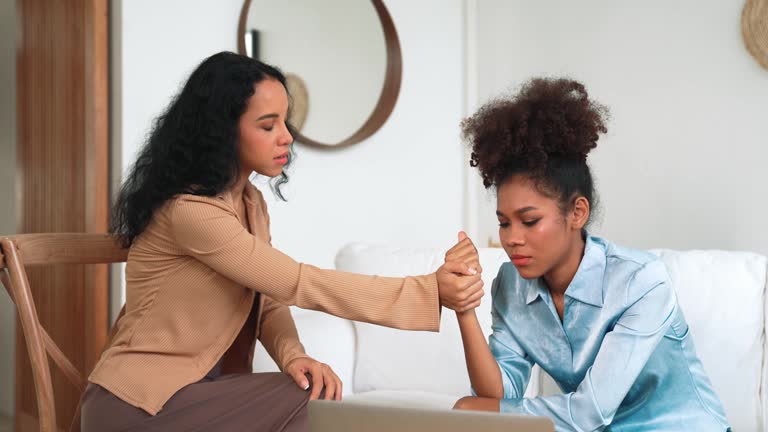
Step 6: Strengthen Support Networks
Talking to trusted friends, family, or mental health professionals can reduce feelings of isolation. Social support offers:
- Emotional validation and encouragement
- Practical advice for problem-solving
- Motivation to adhere to coping strategies
Sharing your experiences can help normalize anxiety symptoms and improve your emotional resilience.
Step 7: Set Realistic Goals
High expectations can worsen anxiety. Break tasks into smaller, manageable steps:
- Use a to-do list with achievable daily goals
- Celebrate small successes
- Avoid self-criticism for minor setbacks
For example, instead of planning to clean the entire house in one day, focus on completing one room at a time to reduce anxiety and maintain motivation.
Step 8: Seek Professional Help
If anxiety symptoms persist and interfere with daily life, seeking help from a mental health professional is crucial. Therapies such as cognitive-behavioral therapy (CBT), mindfulness-based therapy, or, in some cases, medication can be effective in managing anxiety. Professional support provides guidance, coping tools, and a safe space to process emotions.
Real-Life Example: Managing Work-Related Anxiety
Consider Sarah, a marketing professional, who experiences anxiety symptoms before presentations. She notices:
- Rapid heartbeat and sweating (physical symptoms)
- Overthinking potential mistakes (emotional symptoms)
- Avoiding speaking opportunities (behavioral symptoms)
By identifying triggers, practicing deep breathing, challenging negative thoughts, and gradually exposing herself to speaking situations, Sarah successfully reduces her anxiety and improves confidence. This demonstrates how practical coping steps can transform anxiety into manageable experiences.
The Connection Between Anxiety and Daily Life
Unchecked anxiety symptoms can affect:
- Work performance: Difficulty concentrating, procrastination, and irritability
- Relationships: Avoidance, misunderstandings, or emotional distance
- Health: Sleep disruption, fatigue, and weakened immune response
Addressing anxiety early helps maintain balance, productivity, and emotional well-being.
Conclusion
Recognizing anxiety symptoms and implementing practical coping steps empowers individuals to regain control over their lives. By identifying triggers, practicing mindful techniques, challenging negative thoughts, building routines, seeking support, and pursuing professional guidance when needed, anxiety can become manageable rather than overwhelming. Calm Minds Hub is committed to guiding you through evidence-based strategies with kindness and understanding, helping you navigate anxiety and achieve emotional wellness. Discover new tools, guides, and updates by visiting the main page.
FAQs
What are the most common anxiety symptoms?
Common anxiety symptoms include persistent worry, irritability, difficulty concentrating, rapid heartbeat, muscle tension, sweating, sleep disturbances, and avoidance behaviors. Recognizing these signs early can prevent them from impacting daily life.
How can I cope with anxiety symptoms at home?
Practical coping steps include mindful breathing, relaxation techniques, journaling triggers, building a healthy routine, setting realistic goals, and seeking support from friends or family. Consistent practice of these strategies can reduce anxiety over time.
When should I seek professional help for anxiety symptoms?
If anxiety symptoms persist for weeks, interfere with work, school, relationships, or daily functioning, or cause significant distress, seeking a mental health professional is recommended. Therapies like CBT, mindfulness-based therapy, or medication can provide effective support.