
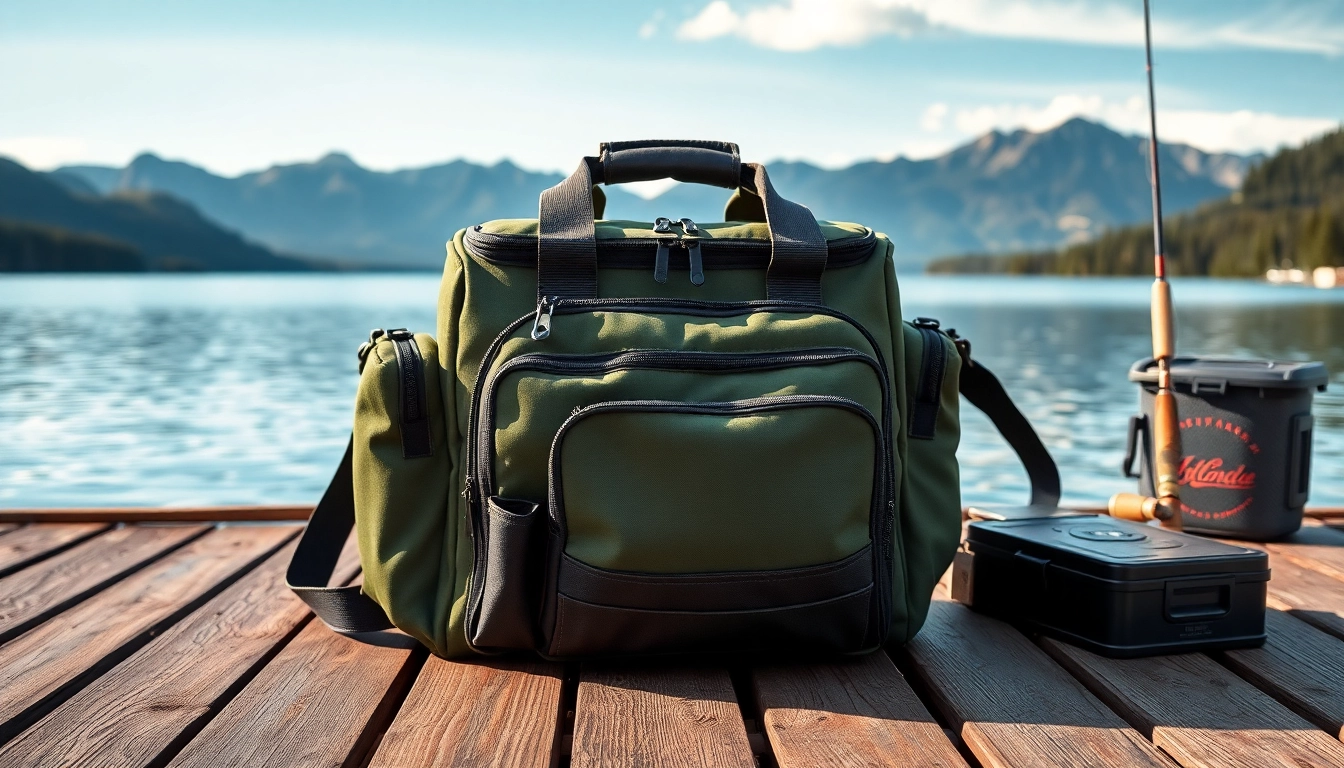
Understanding Fly Fishing Bags
Fly fishing is a nuanced and rewarding outdoor activity that combines technique, patience, and sometimes a bit of luck. While anglers often focus on the rod, reel, and line, the importance of an effective fly fishing bag cannot be understated. These bags serve as the storage and organization unit for all your fly fishing gear, ensuring you have everything you need at your fingertips when you’re out on the water. In this article, we will delve into the intricacies of fly fishing bags, including what makes a good bag, the types you can choose from, key features to look for, and how to maintain and organize your essential gear efficiently.
What Makes a Good Fly Fishing Bag?
A good fly fishing bag should not only be spacious but also designed to meet the specific needs of the angler. Key characteristics that define an effective fly fishing bag include durability, functionality, comfort, and weather resistance. Here are some attributes that can help you discern a quality bag:
- Durability: A fly fishing bag is often exposed to various environmental conditions. Materials like nylon or reinforced canvas can withstand wear and tear.
- Functionality: The bag should accommodate common gear, from fly boxes to tools, in an organized manner that allows for easy access.
- Comfort: Padded straps and ergonomic designs help during long fishing trips, making it easier to carry your gear.
- Weather Resistance: Look for water-resistant materials or built-in waterproof compartments to protect items from rain or splashes.
Types of Fly Fishing Bags
There are several types of fly fishing bags available, each tailored to different styles of fishing and personal preferences. Understanding these types will enable you to select the best fit for your fishing adventures:
- Backpack: Ideal for anglers who need to carry a lot of gear while hiking to remote locations. Backpacks typically offer multiple compartments and comfortable straps.
- Hip Pack: This is a practical option for minimalists or those who prefer to travel light. Hip packs are worn around the waist and keep essential items close by.
- Shoulder Bag: Often favored for its ease of access, this type of bag hangs over one shoulder, making it convenient to retrieve items while casting.
- Tackle Bag: More of a general-purpose bag, tackling bags offer ample space for various equipment and are often designed for long days on the water.
Key Features to Look For
When shopping for your fly fishing bag, certain features will enhance your overall experience and usability:
- Compartments: Look for bags with multiple compartments or pockets that can keep specific gear organized and within reach.
- Attachable Accessories: Some bags come with the option to attach additional pouches or accessories, making it easy to customize based on your fishing needs.
- Easy Access: Consider bags that allow for quick access to frequently used items, which can save valuable time when you’re trying to set the perfect fly.
- Padded or Adjustable Straps: This feature adds a level of comfort, which is especially important during long fishing outings.
Top Fly Fishing Bag Brands to Consider
Popular Brand Reviews
The market for fly fishing bags is filled with reputable brands, each offering specialized designs to accommodate the various needs of anglers. Below are a few noteworthy brands that have garnered positive reviews from the fishing community:
- Fishpond: Fishpond bags are celebrated for their eco-friendliness and innovative designs. Their products often feature recycled materials, contributing to sustainability in fishing.
- Simms: Known for their high-quality outdoor gear, Simms offers a range of bags known for durability and weather resistance, suitable for extreme conditions.
- Orvis: A beloved name in the fishing world, Orvis bags stand out for their blend of functionality and style, often catering to anglers who appreciate heritage brands.
- Patagonia: This brand is well-recognized for its commitment to sustainability, offering bags made of recycled materials that perform brilliantly while protecting the environment.
Comparative Analysis of Prices
The prices of fly fishing bags can vary significantly based on their features, materials, and brand reputation. Here’s a quick overview of what you can expect:
- Budget Bags: Entry-level options can be found for as low as $30 to $50. While these may lack some advanced features, they often serve well for beginners.
- Mid-Range Bags: Expect to pay between $60 and $150 for bags that offer better durability and additional features like waterproof compartments and padded straps.
- Premium Bags: High-end bags from brands like Fishpond and Simms can range anywhere from $150 to $300 or more, providing advanced features that serious anglers will appreciate.
Brand Reliability and Warranty
At the end of the day, brand reliability can often make a significant difference in how pleased you will be with your purchase. Many leading brands offer warranties, which is a good indicator of their commitment to quality. Fishpond, for example, provides a lifetime warranty on defects, while Simms offers a two-year warranty on their fly fishing bags. Always look for a brand that backs its products, as this can provide peace of mind when making an investment.
How to Organize Your Fly Fishing Bag
Essential Gear to Include
To ensure you’re prepared on the water, your fly fishing bag should include a selection of essential gear:
- Flies: A variety of flies specific to your fishing location and season should be at the top of your list.
- Leaders and Tippets: Having a selection of leaders and tippets allows you to adjust according to the conditions.
- Tools: Include essential tools like clippers, pliers, and forceps for quick and efficient handling of tasks.
- First Aid Kit: An often overlooked aspect, a small first aid kit can be invaluable in case of accidents.
Tips for Efficient Packing
Efficient packing can make your fishing experience considerably more enjoyable. Here are some practical tips:
- Use Pouches: Organize similar items together in small pouches. This will help keep your bag tidy and items easy to find.
- Prioritize Accessibility: Place frequently used tools and gear in top compartments for easy access.
- Weight Distribution: Distribute weight evenly throughout the bag to enhance comfort while carrying.
- Label Compartments: If you’re using multiple pouches, labeling them can save you time and frustration while searching.
Common Mistakes to Avoid
While packing your fly fishing bag, avoiding common mistakes can save you from a frustrating day on the water:
- Overpacking: Bringing unnecessary gear can make your bag heavy and unwieldy. Stick to what you realistically need.
- Ignoring Weight Distribution: Not paying attention to how weight is distributed can lead to discomfort during use.
- Neglecting Gear Check: Always ensure that your equipment is in working order before hitting the water. A broken rod guide or frayed line can ruin the day.
Maintenance Tips for Your Fly Fishing Bag
Cleaning and Care Instructions
To prolong the life of your fly fishing bag, proper cleaning and care are essential:
- Regular Cleaning: After each trip, wipe down the exterior with a damp cloth to remove dirt or grime.
- Deep Cleaning: Occasionally, you may want to use mild soap and water to clean stubborn stains. Be cautious not to use harsh chemicals.
- Drying: Allow your bag to air-dry completely before storing it, especially if it has been exposed to water.
Repairing Common Issues
Wear and tear is inevitable, but knowing how to repair common issues can extend the life of your bag:
- Broken Zippers: If a zipper breaks, it can often be repaired using replacement zippers available online or at sewing shops.
- Patching Holes: Small holes can be patched with fabric repair kits, available at outdoor or craft stores.
- Sew Loose Straps: If straps become loose or detached, sewing them back on can usually restore functionality.
Storage Tips for Longevity
How you store your fly fishing bag can directly affect its longevity:
- Cool, Dry Place: Store your bag in a cool, dry environment to prevent mold and mildew.
- Avoid Overpacking: Even during storage, avoid leaving heavy gear packed away for long durations, as it can warp the bag’s structure.
- Loosely Folded: When storing, avoid tightly folding your bag; opt for a loose placement to maintain its shape.
Real-Life User Experiences with Fly Fishing Bags
Customer Testimonials
Understanding how a product performs in the real world can provide valuable insights. Here are a few testimonials from avid anglers:
“The Fishpond backpack has completely changed the way I fish. Its multiple compartments keep everything organized, and I’ve never once felt unbalanced while hiking.” – Kyle J.
“I switched to a hip pack last season, and I can’t believe I ever carried a heavy tackle bag. It’s made everything so much easier.” – Sarah P.
Case Studies on Bag Performance
Analyzing specific case studies can shed light on the performance of various bags across different conditions:
- Backpacking Adventures: An angler trekked 15 miles using a Simms backpack during challenging weather. The bag held up against rain and provided ample space for essential gear, demonstrating durability.
- Local River Fishing: A hip pack user reported their satisfaction with easy access to flies and tools while navigating tight spaces along riverbanks.
Community Recommendations
Engagement within the fishing community can provide unique perspectives and insights into fly fishing bags. Forums and social media groups frequently share recommendations based on recent experiences, allowing anglers to identify which brands and types perform best in practice.