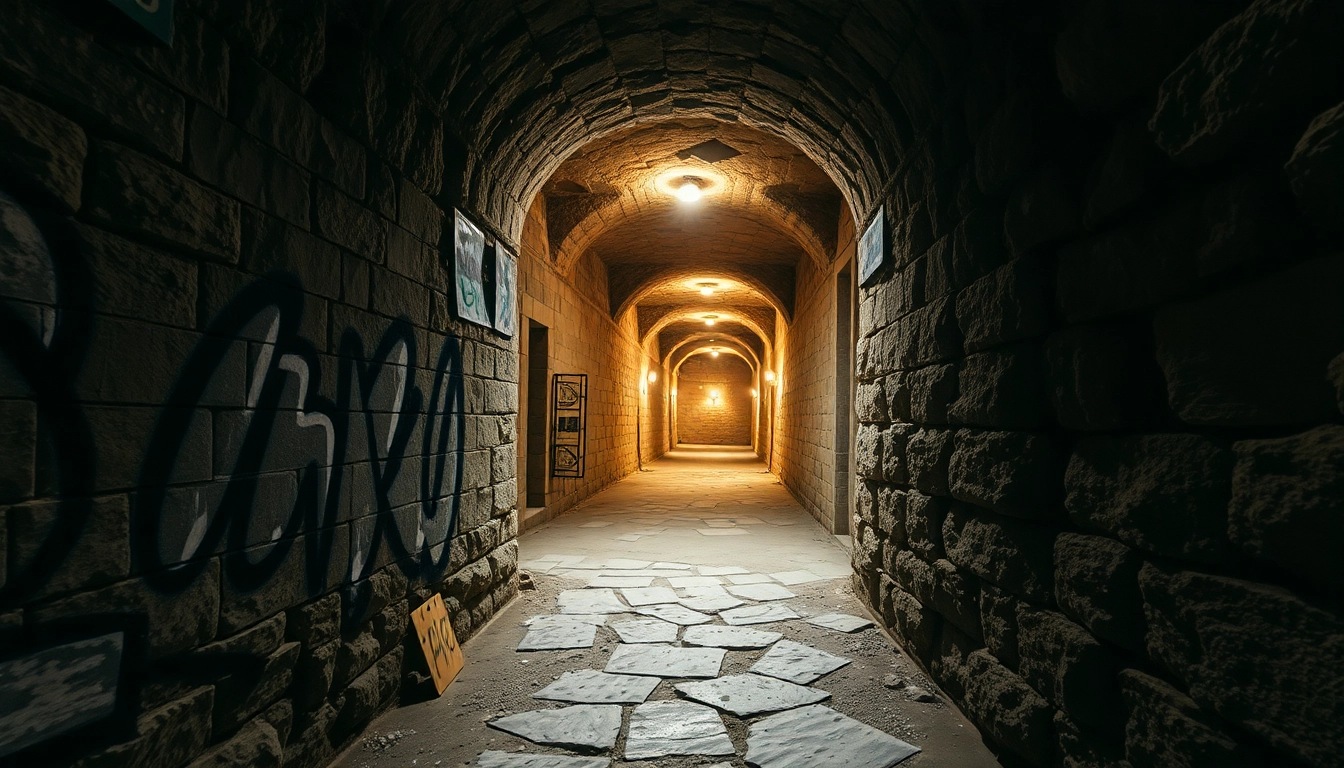
Introduction to Underground Cities in the US
In the realm of urban exploration, few concepts capture the imagination quite like the notion of underground cities. These hidden spaces, often nestled beneath bustling metropolises, offer a unique blend of history, culture, and architectural innovation. From the architectural marvels to their rich historical significance, the allure of underground cities in the us is undeniable. In this article, we'll delve deep into the fascinating world beneath our cities, explore what constitutes an underground city, and highlight some of the most famous subterranean locales across the country.
What Defines an Underground City?
An underground city can be defined as a network of connected structures, transport hubs, and commercial spaces built below ground level. These cities might consist of residential areas, retail spaces, transportation systems, and public facilities, all linked through a series of tunnels and chambers. While some might think of them merely as tourist attractions or remnants of the past, these underground cities play a crucial role in urban planning, city life, and even disaster management.
The History of Subterranean Urban Living
The concept of underground urbanism dates back centuries, with various cultures creating subterranean complexes for a multitude of reasons. In ancient times, civilizations built underground dwellings for protection from invasions and harsh weather. The most renowned examples include the catacombs of Paris and the subterranean cities of Cappadocia in Turkey. In the United States, the development of underground spaces truly began with practical necessities, such as shelter from extreme weather, transport ease, and urban safety, growing significantly in the 19th and 20th centuries.
Famous Underground Cities to Visit
Several underground cities in the US are famous for their unique features and historical significance. The Seattle Underground, for instance, offers a glimpse into the city’s past, showcasing remnants from the original street level before the city was raised. Similarly, Portland’s Shanghai Tunnels carry tales of mystery, with legends surrounding forced labor and secretive dealings. The Kansas City Underground boasts an extensive network of tunnels catering to various purposes, from commerce to utilities. Each city provides a distinct experience that highlights the ingenuity and versatility of subterranean architecture.
The Architectural Marvels Beneath
Construction Techniques Used in Underground Cities
The construction of underground cities demands a unique set of skills, techniques, and considerations. Engineers and architects must navigate geological conditions, groundwater management, and structural integrity challenges. Techniques commonly used include cut-and-cover methods and tunneling which involve excavating earth and creating underground spaces while ensuring minimal disruption to existing structures above. The use of reinforced concrete is prevalent, providing the necessary support while allowing for the construction of spacious layouts.
Design Elements that Enhance Urban Spaces
Designing underground spaces involves creative use of light, space, and air to make environments pleasant and functional. Natural light is often maximized through strategically placed windows and light wells. Ventilation systems are carefully integrated to enhance air quality, ensuring safety and comfort. Additionally, design may incorporate green spaces, public art installations, and communal areas that promote social interaction, making underground cities vibrant spaces rather than mere shelters.
Preservation and Restoration Efforts
Preserving underground cities is of paramount importance due to their historical and cultural value. Efforts to restore and maintain these sites often involve collaboration between city planners, preservationists, and historians. Techniques may include stabilizing structures, restoring original materials, and creating educational programs to raise public awareness. Sustainable practices are also considered, ensuring that while these historical sites are preserved, they remain accessible and functional for future generations.
Exploring Unique Features
Underground Shopping and Dining Experiences
One of the most alluring aspects of underground cities is the shopping and dining experiences they offer. Many underground spaces have transformed into vibrant marketplaces and gourmet dining hubs that provide a unique atmosphere away from the hustle and bustle of the streets above. For instance, the underground portions of cities like Chicago and Montreal feature eclectic shops, artisanal cafes, and fine dining establishments that attract locals and tourists alike, creating a dynamic economic ecosystem beneath the surface.
Cultural Events and Attractions Below Ground
Beyond retail and dining, underground cities often host a variety of cultural events that celebrate local heritage. Music festivals, art exhibits, and theater performances are common, utilizing the unique acoustics and ambiance of these subterranean spaces. Such events encourage community engagement and artistic expression, allowing residents and visitors to connect with the city's history and culture in a distinctive setting.
Museums and Historical Sites in Subterranean Areas
Museums dedicated to showcasing the history of underground cities are often located within these very spaces. For example, the Seattle Underground Tour not only educates visitors about the city’s history but also allows them to experience preserved structures from the past. Similarly, the underground areas of St. Louis feature exhibitions related to local history, offering insights into how subterranean urban spaces have shaped the city over time.
Challenges and Considerations
Environmental Impacts of Underground Cities
While underground cities can reduce urban sprawl and land use conflicts, they also face significant environmental challenges. These include land subsidence, water drainage issues, and the impact on local ecosystems. Ensuring sustainable development in subterranean spaces requires thorough planning that considers the immediate environment, potential risks, and long-term consequences of underground construction.
Safety and Accessibility Issues
Safety in underground spaces is a paramount concern. Proper emergency exits, effective ventilation, and consistent maintenance are critical to ensuring public safety. Additionally, accessibility for all individuals, including those with disabilities, must be considered in design and maintenance. This can entail the installation of elevators, ramps, and clear wayfinding systems that make underground cities welcoming to everyone.
Preserving History While Modernizing
As cities evolve, balancing modernization with historical preservation can be complex. While it's essential to adapt these spaces for contemporary use, care must be taken to protect the historical elements that contribute to their character. Engaging the community in preservation decisions can foster a sense of ownership and ensure that changes honor the site's heritage while accommodating modern needs.
Future of Underground Cities in the US
Emerging Trends in Subterranean Development
The future of underground cities appears promising, with emergent trends focusing on sustainability and technological integration. Architects and engineers are exploring modular construction techniques that allow for faster builds with less environmental impact. Moreover, integrating green technologies, such as renewable energy sources and water recycling systems, in underground urban planning is becoming increasingly common, leading to innovative, sustainable designs.
The Role of Technology in Enhancing Underground Spaces
Technology plays a crucial role in optimizing the functionality and experience of underground cities. Smart city initiatives are being implemented, with IoT (Internet of Things) devices improving safety, energy efficiency, and user experience. For example, intelligent lighting systems and environmental sensors can enhance the livability of underground spaces, making them safer and more comfortable for users.
Visions for Sustainable Underground Living
The prospect of integrating sustainable living within underground spaces is becoming increasingly enticing. Future designs may include fully autonomous underground gardens, renewable energy sources, and urban farms that contribute to local food systems. By embracing nature and technology harmoniously, underground cities can attain a new level of sustainability that benefits urban dwellers and the planet.
FAQs
What are the most famous underground cities in the US?
Popular underground cities include the Seattle Underground, Portland's Shanghai Tunnels, and the Kansas City Underground.
How are underground cities equipped for safety?
Safety measures include emergency exits, adequate ventilation, and surveillance systems to ensure public safety in underground areas.
Can I visit underground cities?
Yes, many underground cities offer tours and experiences, making it accessible to those interested in urban exploration.
What is the history behind these underground cities?
Many were built during the 19th century for various reasons, including urban planning efficiencies and as a response to natural disasters.
Are underground cities environmentally friendly?
They can be more sustainable by reducing urban sprawl, but it requires careful planning to address environmental concerns.