What is Drayage?
Definition and Importance
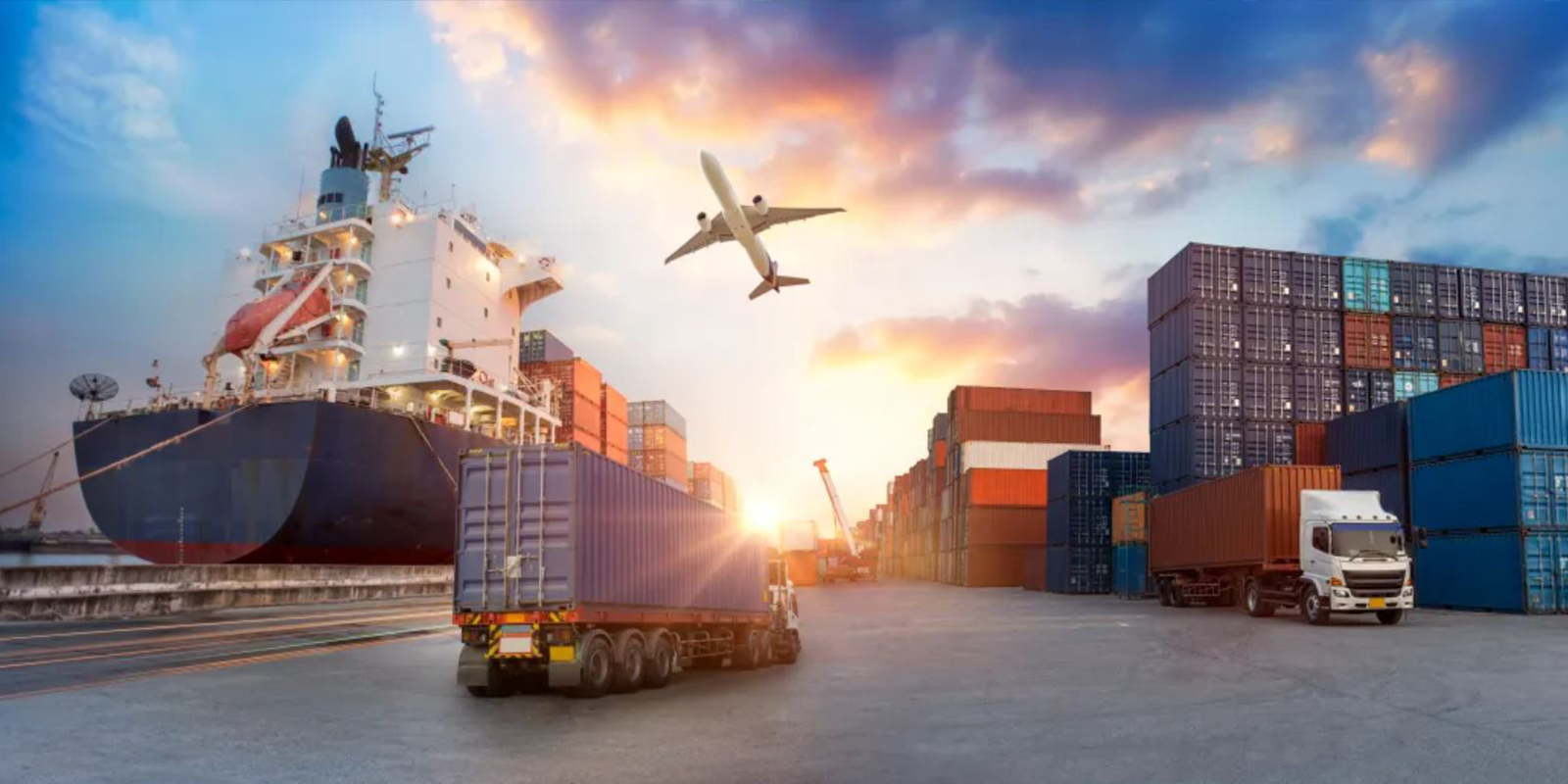
Drayage refers to the service of transporting freight over short distances, especially in the context of shipping containers. This crucial step in the logistics process involves moving cargo from ports, rail yards, or inland terminals to their final destination. The primary aim of drayage is to bridge the gap between different modes of transportation, facilitating efficient logistics chains. In an era where e-commerce and global trade are flourishing, the significance of drayage cannot be understated. As consumers demand faster delivery times, logistical efficiency becomes paramount, making drayage an essential service in the supply chain network. For more information regarding drayage services and their impact on logistics, you can visit Drayage.
How Drayage Works
The mechanics of drayage are relatively straightforward but involve a series of coordinated processes. In essence, drayage acts as the first or last mile of freight transportation. It operates with the following steps:
- Container Pick-up: Drayage begins with the pick-up of cargo from the shipping container, typically located at a port or intermodal rail yard.
- Transport: The container is then transported over a short distance, often less than 50 miles. This is where drayage carriers utilize specialized trucks designed for container transport.
- Container Drop-off: The final step involves dropping off the container at its destination, which may be a warehouse, distribution center, or another transportation hub.
Each step in the drayage process requires careful coordination with various stakeholders, including shipping companies, warehouse operators, and truckers, ensuring that freight moves efficiently through the supply chain.
Common Terms Related to Drayage
Understanding drayage also involves familiarizing oneself with various related terms that define the broader logistics context. Here are several key terms:
- Demurrage: Fees incurred when cargo sits too long at a terminal awaiting pickup.
- Intermodal: The use of two or more modes of transportation to move goods, often involving drayage between rail and truck transport.
- Drop and Hook: A system where a truck drops off a container and picks up another, ensuring quicker turnarounds.
- Transloading: The process of transferring goods from one mode of transport to another, often facilitated by drayage services.
Types of Drayage Services
Port Drayage
Port drayage is one of the most common forms of drayage, focusing specifically on transport services that move containers to and from port facilities. It is critical for managing the flow of maritime trade. With ports being hubs for international shipping, efficient port drayage operations can significantly reduce congestion and improve turnaround times. Companies must consider factors such as:
- Container Availability: Ensuring that containers are readily available for pickup is vital to maintaining schedules.
- Regulations and Fees: Understanding port-specific fees, such as wharfage and layover costs, is essential for cost management.
- Deadhead Runs: Minimizing empty backhauls (or deadhead runs) is important for cost-efficiency. This can often be achieved through effective route planning and coordination.
Intermodal Drayage
Intermodal drayage serves as a critical link between different transportation modes, such as rail and truck. As global trade continues to expand and evolve, the demand for intermodal solutions has surged. Drayage carriers play a vital role in this process by:
- Facilitating Transfers: Movement of containers between truck and rail terminals efficiently.
- Utilizing Technology: Employing tracking systems that provide visibility and real-time updates on container statuses and locations.
- Managing Logistics: Coordinating schedules between varying transportation providers and ensuring timely pickups and deliveries.
Expedited Drayage
For businesses that require quick turnaround times due to time-sensitive shipments, expedited drayage services are essential. This type of service prioritizes speed and operational agility to deliver goods faster than standard services. Key elements of expedited drayage include:
- Priority Scheduling: Allocating resources to ensure that expedited shipments take precedence.
- Dedicated Equipment: Using trucks specifically designated for faster service to eliminate delays.
- 24/7 Operations: Many expedited services offer round-the-clock operations to cater to urgent delivery needs.
The Role of Drayage in Supply Chain Management
Integration with Other Logistics Services
Drayage is not a standalone process but a vital component of the broader supply chain mechanisms, working in conjunction with various logistics services. Effective integration with services such as warehousing, freight forwarding, and customs clearance enhances operational efficiency. It streamlines the supply chain by:
- Coordinated Scheduling: Aligning schedules across different logistics services ensures timely delivery.
- Shared Resources: Using common technological platforms and systems to improve visibility across logistics operations.
- Simplified Procedures: Harmonizing processes across supply chain partners reduces manual work and increases speed.
Importance of Technology in Drayage
Technology plays a transformative role in optimizing drayage operations. The adoption of innovative tools and software solutions can enhance visibility, efficiency, and performance. Some critical technologies impacting drayage include:
- Transportation Management Systems (TMS): These platforms streamline planning, execution, and optimization of drayage operations.
- GPS Tracking: Providing real-time location data for containers promotes transparency and helps in managing delays.
- Automated Dispatching: This technology facilitates efficient allocation of trucking resources, reducing wait times for pickups and deliveries.
Challenges in Drayage Operations
Despite its crucial role in the logistics landscape, drayage faces several challenges that can hinder its operational efficiency. Common obstacles include:
- Port Congestion: Overcrowded ports can lead to delays and increased costs due to prolonged waiting times for pickups.
- Regulatory Compliance: Navigating the complex landscape of local and federal regulations can pose significant challenges for drayage providers.
- Capacity Constraints: Fluctuations in freight demand can lead to overcapacity or undercapacity in drayage services, impacting service levels.
Addressing these challenges requires strategic planning and coordination among all parties in the supply chain.
Best Practices for Drayage Efficiency
Optimal Routing and Scheduling
Effective routing and scheduling are foundational aspects of efficient drayage operations. To optimize these processes, organizations should consider:
- Route Optimization Tools: Utilizing software that calculates the most efficient paths to minimize travel time and distances.
- Time Slot Management: Scheduling pickups and deliveries during off-peak hours to avoid congestion at ports or warehouses.
- Regular Monitoring: Continuously analyzing routing performance to identify areas for improvement and feasibility adjustments.
Communication with Stakeholders
Clear communication channels are vital for ensuring seamless drayage operations. Best practices include:
- Establishing Protocols: Setting clear communication protocols for coordinating with all stakeholders involved in the drayage process.
- Regular Updates: Keeping stakeholders informed about shipment statuses, changes, and potential delays.
- Feedback Loops: Implementing processes for gathering and analyzing feedback to improve services and operational efficiency.
Cost Management Strategies
Cost control is essential for maintaining profitability in drayage operations. Effective strategies include:
- Analyzing Costs: Regularly reviewing all operational costs and identifying areas for potential savings.
- Negotiating Rates: Working with carriers to secure favorable contract rates based on volume and commitments.
- Implementing Lean Practices: Streamlining operations and eliminating waste to reduce costs without sacrificing service quality.
Future Trends in Drayage
Sustainability in Drayage Practices
As sustainability becomes a central theme in global business practices, the drayage sector is also experiencing shifts towards greener operations. Companies are exploring:
- Fleet Electrification: The shift to electric trucks can reduce carbon footprints significantly.
- Alternative Fuels: Utilizing biofuels or hydrogen fuels as alternatives to traditional diesel to lower emissions.
- Carbon Offsetting: Companies are implementing strategies to counterbalance emissions through various sustainability initiatives.
Impact of E-commerce on Drayage
The rise of e-commerce has directly influenced the demand for drayage services, with implications including:
- Increased Demand for Speed: Customers are expecting faster delivery times, increasing the pressure on drayage operations.
- More Frequent Shipments: E-commerce models often involve numerous smaller shipments, necessitating more frequent drayage services.
- Adaptation to New Models: Drayage providers must adapt to new business models and customer demands, leveraging technology for real-time tracking and improved customer communication.
Technological Advancements Shaping Drayage
The technology landscape within logistics is continuously evolving, and drayage is not exempt. Noteworthy advancements expected to shape the future of drayage include:
- Blockchain technology: Enabling transparent and tamper-proof records of logistics transactions.
- Artificial Intelligence: Optimizing load planning and predictive analytics for anticipating demand fluctuations.
- Autonomous Vehicles: Potential future disruption through self-driving trucks that could enhance efficiency and reduce labor costs.