Understanding Structural Steel Welding
Definition and Importance
Structural steel welding refers to the process of bonding various steel components to form structures that are integral to buildings, bridges, and industrial applications. These welded joints are crucial as they provide structural integrity, strength, and durability, which are essential for safety and longevity. The significance of this skill set cannot be overstated; without proper welding techniques, structural failures could lead to catastrophic consequences.
In today's construction and manufacturing landscape, strong structural steel welding practices contribute directly to the efficiency and resilience of structures. From high-rise buildings to complex machinery, understanding the nuances of welding can greatly enhance the performance of engineered designs.
Types of Welding Processes
There are several welding processes commonly employed in structural steel welding. Each method has distinct advantages and is suitable for different applications:
- MIG Welding (Gas Metal Arc Welding): Known for its speed and versatility, MIG welding uses a continuous wire feed to fuse metals. It's ideal for thin to medium materials and is widely used in construction due to its efficiency.
- TIG Welding (Gas Tungsten Arc Welding): This process allows for high precision and control, making it perfect for intricate and detailed work. Its clean welds are often used in high-performance applications.
- Stick Welding (Shielded Metal Arc Welding): Stick welding is highly versatile and can be used in a variety of conditions, including outdoor sites. It is particularly robust in welding thicker materials.
Applications in Construction and Industry
Structural steel welding is employed across numerous industries, forming the backbone of infrastructure and commercial construction projects. Notable applications include:
- Building Construction: High-rise buildings and apartments rely extensively on welded steel frameworks for strength and stability.
- Bridge Construction: Steel bridges benefit from welded joints that can withstand significant tension and load.
- Industrial Equipment: Many industrial machines and equipment are fabricated using welded steel components for durability and performance.
- Shipbuilding: The shipbuilding industry uses structural steel welding to create hulls and frames that are both strong and lightweight.
Common Techniques in Structural Steel Welding
MIG Welding for Steel Structures
MIG welding is a favorite among fabricators for its speed and ease of use. The process involves feeding a solid wire electrode through a welding gun, which melts the wire and fuses it with the base metal. This technique is particularly advantageous for large-scale projects requiring a high volume of welds quickly. Additionally, MIG welding is known for producing clean and attractive welds with little spatter, making post-weld cleanup minimal.
MIG welding is particularly effective for welding alloys and thin sheets of steel, which makes it suitable for both structural components and decorative elements. However, the operator must pay close attention to the settings to ensure the right balance of heat and wire feed for the specific application.
TIG Welding: Precision and Quality
TIG welding stands out for its ability to produce exceptionally clean welds, making it ideal for applications where appearance matters as much as strength. This process uses a non-consumable tungsten electrode to create the arc, with filler material added separately. As a result, TIG welding offers greater control over the weld pool and the ability to use a broader range of materials.
Due to its precision, TIG welding is commonly used in aerospace, automotive, and art applications where meticulous work is valued. However, this comes with a tradeoff: TIG welding is often slower than other methods and requires a higher degree of skill, making it better suited for specialized tasks rather than large-scale projects.
Stick Welding: Durable and Versatile
Stick welding remains a popular choice due to its versatility and effectiveness in various conditions. Using a consumable electrode coated in flux, this process can be performed outdoors, even in windy conditions, which makes it ideal for construction sites where environmental factors can pose challenges.
This technique excels in welding thicker sections of steel and is often employed in heavy fabrication and repair work. While it may not produce as clean of a weld as MIG or TIG methods, stick welding is trusted for its durability and ability to penetrate deep into the material, creating strong, robust joints.
Essential Safety Measures for Welders
Personal Protective Equipment (PPE)
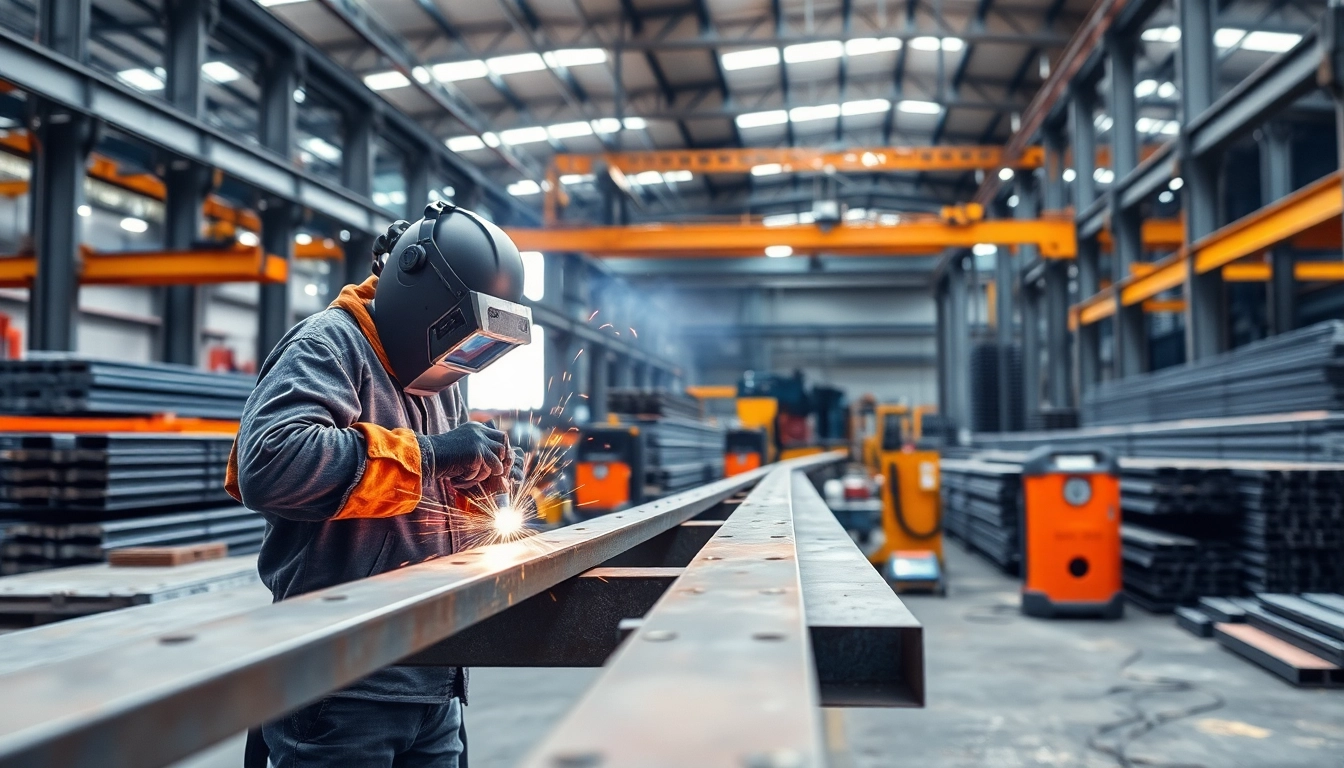
The safety of welders is paramount, given the hazards associated with the field. Personal protective equipment (PPE) must be worn at all times in welding environments. Essential PPE includes:
- Welding Helmet: A quality helmet with the correct shade lens is critical to protect the eyes and face from harmful UV and infrared rays.
- Gloves: Heat-resistant gloves help protect the hands from burns and the abrasive nature of grinding and cutting.
- Protective Clothing: Flame-resistant clothing should be worn to minimize the risk of burns from sparks and molten metal.
- Respirators: In environments with fumes and particulates, appropriate respiratory protection is essential to avoid inhalation of harmful substances.
Safe Handling of Equipment
Proper handling of welding equipment is crucial for maintaining a safe workspace. Some best practices include:
- Regular maintenance checks on all equipment to prevent malfunctions.
- Ensuring that all electrical connections are secure to avoid shock hazards.
- Proper storage of gas cylinders to prevent leaks or falls, and always securing them in an upright position.
- Keeping the workspace clear of clutter, including flammable materials, to reduce fire risks.
Emergency Response Protocols
Even with stringent safety measures in place, emergencies can occur. Every welding operation should have a clear emergency response plan that includes:
- Immediate procedures for dealing with fires, including the location and use of fire extinguishers.
- First aid protocols for burns and injuries sustained during welding.
- A communication system to alert nearby workers and supervisors in case of an emergency.
- Regular drills to ensure that all workers are familiar with emergency procedures and can respond effectively.
Evaluating Quality in Structural Steel Welding
Key Performance Metrics
To ensure the quality of welded joints in steel construction, specific performance metrics should be monitored. These include:
- Tensile Strength: The maximum amount of tensile stress that a welded joint can withstand before failure, an essential measure of the integrity of the weld.
- Puncture Resistance: This measures how well a weld can resist perforation under stress, essential for safety in structural applications.
- Hygroscopic Properties: Assessing the reaction of welds to moisture exposure can highlight potential corrosion issues over time.
- Visual Grain Patterns: Observing the grain patterns of the weld can reveal inconsistencies and defects that require rectification.
Common Defects and Solutions
Common defects in structural steel welding can severely compromise the strength and integrity of the weld. Examples include:
- Porosity: Small holes in the weld caused by trapped gas. Solutions involve proper gas shielding and ensuring that base metals are clean before welding.
- Undercutting: The melting away of the base metal adjacent to the weld. This can be avoided by carefully controlling the welding technique and heat input.
- Cracking: Occurring due to thermal stresses or improper joints, preventive measures include proper joint design and preheating techniques.
- Lack of Fusion: This defect arises when the weld metal does not properly fuse with the base metal. Consistent heat input and travel speed can help mitigate this issue.
Importance of Inspections and Testing
Regular inspection and testing are vital components in maintaining quality in structural steel welding. Inspections can be done visually, through ultrasonic testing, or through x-ray examination to detect internal defects. Quality control checks should be defined in the planning stages, incorporating thorough documentation and verification processes. By ensuring that welding procedures and outputs meet the specified standards, risk is minimized, and structural reliability is maintained.
Future Trends in Structural Steel Welding
Technological Advances in Welding
The welding industry is on the cusp of a technological revolution with the advent of automation, robotics, and improved welding processes. Automated welding systems can significantly increase speed and precision while reducing human error. The integration of artificial intelligence (AI) in the welding process is also making waves, helping to monitor and evaluate welding conditions in real-time, which can result in higher-quality outputs.
Moreover, innovations in welding materials, including advanced alloys and fillers, promise not only to enhance performance but also to broaden the range of applications for structural steel. These advancements provide opportunities for customized designs and solutions tailored to specific project requirements.
Sustainability Practices in Welding
As industries shift toward more sustainable practices, the welding sector is also being transformed. Techniques aimed at reducing waste and energy consumption are gaining traction, such as:
- Recycling scrap materials: Using leftover steel from previous projects can help minimize waste and lower costs.
- Energy-efficient equipment: Investing in modern welding machines that consume less power can reduce the carbon footprint of welding operations.
- Greener welding processes: Newer methods that minimize harmful emissions are becoming more prominent, contributing to cleaner air and work environments.
Training and Skill Development Initiatives
As welding technology evolves, so must the skills of welders. Continuous training programs are essential to keep professionals adept at new techniques and technologies. Initiatives like apprenticeships, certification programs, and hands-on training workshops balance theoretical knowledge with practical application. These programs not only enhance the skill set of individuals but also contribute to the overall advancement of the industry.
Emphasizing education and skill development ensures a knowledgeable workforce ready to tackle the challenges of modern welding and guarantees that high standards are maintained across structural steel welding projects.