Understanding High-Quality Roofing Solutions
When it comes to preserving the integrity of your home, one of the most critical elements is the roof. Quality roofing solutions not only protect your home from adverse weather but also enhance its aesthetic appeal and energy efficiency. This article explores the multifaceted aspects of high-quality roofing solutions, providing insights into material selection, installation processes, maintenance tips, and performance metrics to help you make informed decisions.
Defining High-Quality Roofing
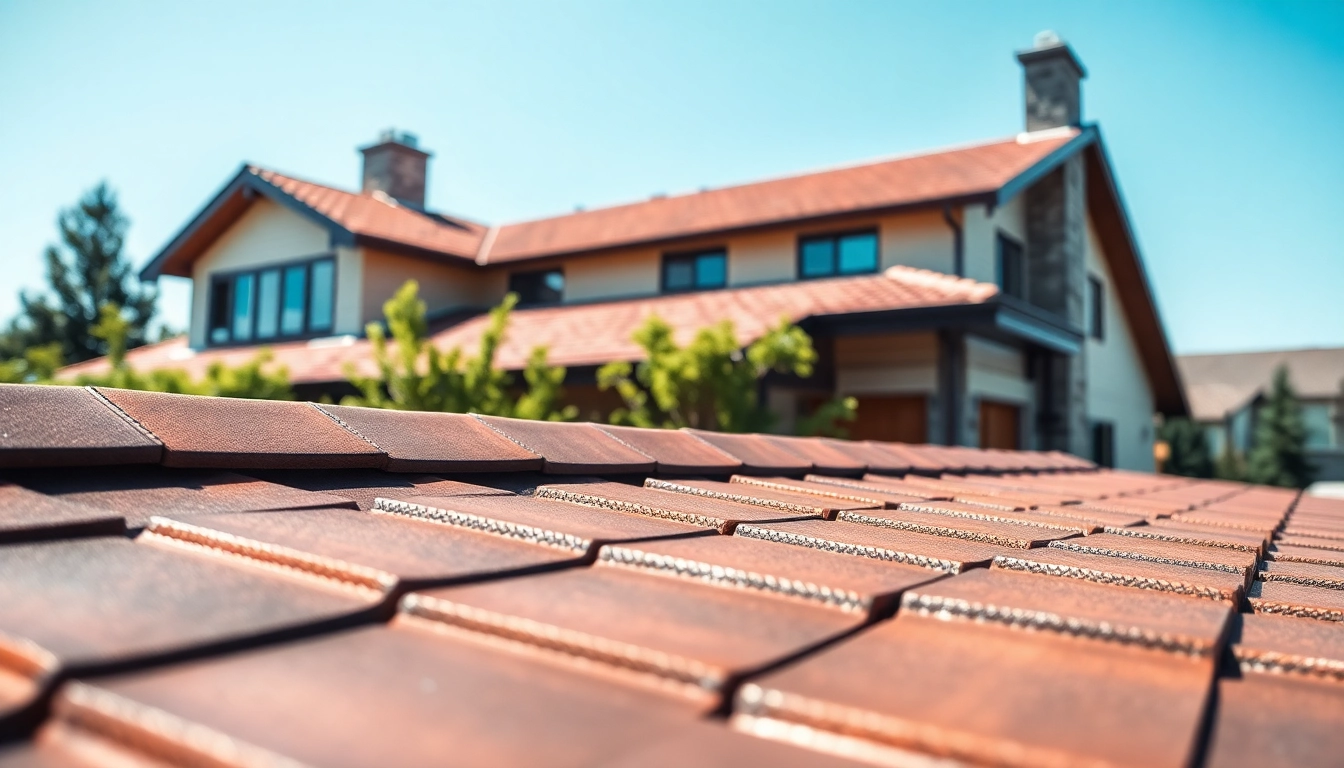
High-quality roofing encompasses a variety of features, including durability, resistance to weather elements, aesthetic appeal, and energy efficiency. To qualify as high-quality, roofing must be made from top-tier materials that have been tested against various environmental factors. This not only involves the roofing material itself but also the accompanying installation system, which includes underlayment, ventilation, and flashing. The right roofing solution combines all these elements to provide excellent lifespan and performance.
Importance of Material Selection
The materials chosen for roofing can dramatically influence their functionality and longevity. High-quality roofing materials not only resist leaks and rot but also provide insulation, which can result in lower heating and cooling costs for homeowners. Options such as metal, tiles, asphalt shingles, and eco-friendly materials each have their own set of advantages and considerations. Therefore, careful selection based on local climate, aesthetic preferences, and budget is crucial for ensuring that the roofing solution fits the homeowner's needs.
Key Features to Look For
- Durability: A quality roof should withstand high winds, hail, snow, and UV rays without suffering significant damage.
- Energy Efficiency: Materials with higher insulation properties can significantly decrease energy consumption.
- Warranty: A strong warranty reflects both the confidence of the manufacturer and the expected performance of the roofing solution.
- Aesthetic Appeal: The roof should complement the architectural style of the home while meeting local codes and community standards.
- Low Maintenance: Quality roofing materials require less frequent repairs and upkeep, reducing long-term costs.
Types of High-Quality Roofing Materials
Metal Roofing Options
Metal roofing has surged in popularity due to its longevity and resistance to elemental damage. Metal roofs can be composed of aluminum, steel, copper, or zinc and often come with a lifespan exceeding 50 years. They are resistant to wind damage and can reflect solar heat, leading to lower energy costs. However, metal roofing can be more expensive upfront compared to traditional shingles, but its long-term savings often justify the investment.
Asphalt Shingles: Advantages and Disadvantages
Asphalt shingles remain one of the most commonly used roofing materials. They are available in two main types: 3-tab shingles and architectural shingles. The advantages of asphalt shingles include affordability, ease of installation, and a variety of aesthetic options. However, they may not last as long as metal or tile roofs, typically requiring replacements every 15 to 30 years depending on quality and environmental conditions. It's important for homeowners to weigh the advantages of cost and variety against the shorter lifespan.
Eco-Friendly Roofing Alternatives
As homeowners become more environmentally conscious, eco-friendly roofing options are gaining traction. These include materials such as recycled shingles, green roofs, and solar tiles. Eco-friendly roofs contribute to energy efficiency and help reduce urban heat, benefiting not only the homeowner but the environment as well. While they may involve a higher initial investment, tax incentives and lower energy bills can offset costs over time.
Installation of High-Quality Roofing Solutions
Choosing the Right Installer
The installation of roofing systems is a critical factor in ensuring longevity and performance. High-quality materials installed poorly can lead to leaks and more severe damage over time. Selecting a reputable and experienced installer is crucial—look for contractors with favorable reviews, proper licensing, and insurance. Asking for references and checking previous work can help gauge the quality and reliability of potential installers.
Preparation for Installation
Before installation begins, comprehensive preparation is essential. This involves a thorough inspection of the existing roofing and structure, proper safety protocols, and scheduling work considering weather conditions. Homeowners should also consider discussing the timeline with installers for an accurate schedule, allowing for extra time where unexpected issues may arise. Clear communication will ensure that both parties are aligned on expectations and responsibilities.
Post-Installation Best Practices
After the installation, it is vital to conduct a final inspection to ensure that everything meets quality standards. Homeowners should also keep all warranties and documentation for future reference. Maintaining open communication with contractors for any post-installation concerns can help address potential issues before they escalate. Ensuring proper ventilation and drainage after installation also contributes to the roof's lifespan.
Maintenance Tips for High-Quality Roofing
Routine Inspections and Repairs
Regular inspections are the cornerstone of roof maintenance. Homeowners should ensure that professional inspections occur at least once a year and after major weather events. Routine inspections will help in identifying potential issues like loose shingles, flashing problems, and signs of water damage early, preventing them from becoming larger, more expensive problems. It is advisable to document all inspections and repairs for thoroughness and warranty purposes.
Seasonal Care Guidelines
Each season presents different challenges for roofing systems. During fall, homeowners should clear debris like leaves from gutters and valleys to prevent water damming. Winter inspections should focus on checking for ice dams and proper insulation to prevent heat loss. In spring, checking for winter damage and ensuring that ventilation allows for heat escape can help prepare the roof for the summer months. This proactive approach can significantly reduce the need for costly repairs.
Long-Term Warranty Considerations
Understanding warranties is vital in the long-term care of roofing systems. Most quality materials come with warranties that cover defects and longevity but understanding the specifics is crucial. It is essential to know what conditions may void the warranty, such as improper installation or lack of maintenance. Discussing warranty options before making a purchase can provide clarity regarding coverage for both materials and workmanship.
Performance Metrics of High-Quality Roofing Solutions
Evaluating Durability and Longevity
Assessing the durability and longevity of roofing materials is essential for understanding their value. Many high-quality roofing materials are designed to withstand severe weather conditions and have a lifespan that can exceed 30 years. Evaluating warranty lengths and manufacturers' claims can provide insights into expected performance. Homeowners should also consider local climate factors, as materials may perform differently based on specific environmental conditions.
Cost vs. Value Analysis
When analyzing roofing options, it’s important to consider both cost and value. While cheaper materials might save money upfront, they may not provide the long-term durability, energy savings, or aesthetic appeal that high-quality options do. Understanding the total cost of ownership, which includes installation, maintenance, and potential repairs, provides a clearer picture of the value provided by a particular roofing solution.
Impact of Roofing on Home Energy Efficiency
Quality roofing solutions can significantly influence a home's energy efficiency, making the right choice vital. Many modern materials offer improved insulation and reflectivity, reducing the demand for heating and cooling. Energy-efficient roofing systems can contribute to lower utility bills and increased comfort in the home. Additionally, some roofing materials can qualify for energy tax credits, enhancing their economic benefits.