
Understanding Frizzy Hair
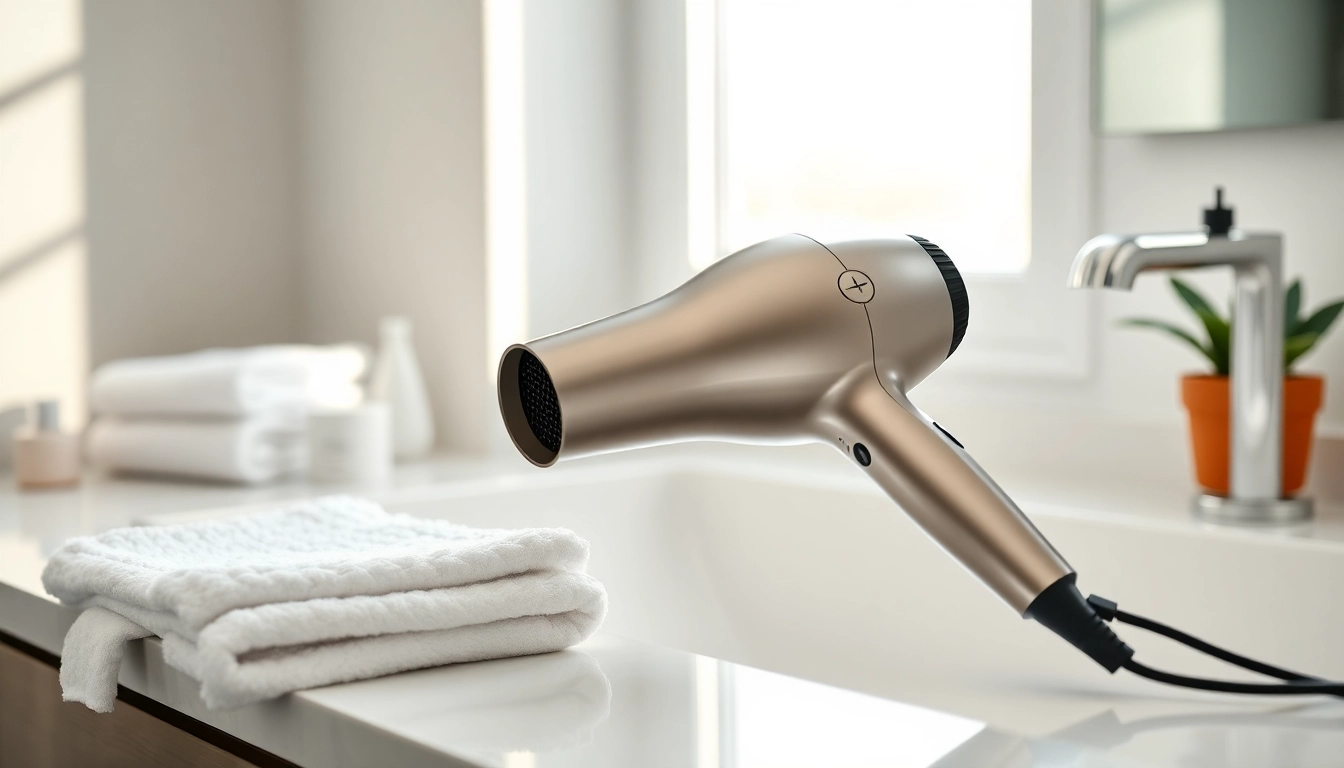
Frizzy hair is a common challenge faced by many individuals, often caused by humidity, damage, or genetic factors. To tackle this issue effectively, it’s essential to understand the underlying causes and how they affect your hair’s health. An effective Hair dryer for frizzy hair can play a crucial role in managing and minimizing frizz, making the selection of the right tool vital for your hair care routine.
What Causes Frizzy Hair?
Frizzy hair occurs when individual hairs lift away from the hair shaft, leading to a frayed appearance. The primary causes of frizzy hair include:
- Humidity: Moisture in the air causes hair to swell and turn frizzy.
- Damage: Overuse of heat styling tools, chemical treatments, and lack of moisture can weaken hair, making it prone to frizz.
- Genetics: Some individuals naturally have curlier hair that is more susceptible to frizz.
- Improper Maintenance: Lack of regular trimming, improper washing techniques, and insufficient moisturizing can contribute to frizz.
Common Misconceptions About Frizziness
Misunderstandings about frizz can lead to poor hair care choices. Here are some prevalent misconceptions:
- Frizz is Always Bad: While excess frizz can be unappealing, some frizz can add texture and volume.
- Only Curly Hair is Frizzy: Frizz affects all hair types, not just curly or wavy hair.
- Cutting Hair Makes It Less Frizzy: Regular trims help remove damaged ends, but they won’t eliminate frizz if the underlying issues are not addressed.
Signs You Need a Better Hair Dryer
Utilizing the right hair dryer can make a significant difference in how frizzy your hair appears. Here are signs that suggest it’s time for an upgrade:
- Inconsistent drying times that often leave your hair wet or damp.
- Your current dryer seems to cause more frizz and damage.
- Lack of multiple heat or speed settings for optimal styling.
- Excessive noise levels during operation.
Key Features of Hair Dryers for Frizzy Hair
When looking for a hair dryer specifically designed to combat frizziness, certain features become crucial. These features can enhance your drying experience while keeping your hair smooth and healthy.
Heat Settings: Importance and Impact
Heat settings on hair dryers are vital for minimizing damage and controlling frizz. Low heat settings are ideal for fine hair, while thicker hair may benefit from higher settings. Always start with a cooler setting to prevent damage and then gradually increase heat if needed. The ability to control heat can prevent hair from becoming over-dry, which contributes to frizz.
Importance of Ionic Technology
Ionic hair dryers emit negative ions that help to break down positively charged water molecules. This technology enables hair to dry faster while reducing static and frizz. Ionic dryers can create smoother strands and add shine to your hair, making them a worthwhile investment for anyone struggling with frizz.
Lightweight vs. Traditional Designs
Weight is an often-overlooked factor when selecting a hair dryer. A lightweight design can prevent strain on your arms during prolonged drying sessions, allowing for better maneuverability. Additionally, lightweight models often come equipped with advanced technologies that enhance their drying capabilities.
Choosing the Right Hair Dryer
With so many options available, picking the best hair dryer can feel overwhelming. Focus on the features and specifications that meet your specific needs.
Comparing Brands and Features
When exploring various hair dryer brands, compare their unique features. Look for the heat settings, technological advancements, and additional attachments that come with each model. Reading through consumer reviews can provide insight into real-world performance, helping you make an informed decision.
Budget Considerations for Quality Models
Your budget will significantly influence your options. While it may be tempting to opt for the cheapest model, investing in a quality hair dryer can save you money in the long run through reduced damage and longer lifespan. Generally, a budget between $50 to $150 will offer a good selection of mid-range to high-end dryers that feature essential technologies.
Customer Reviews: What to Look For
Customer reviews can reveal valuable insights into a hair dryer’s performance. Look for information about build quality, heat distribution, and real-world impact on frizz. Prioritize reviews from individuals with a similar hair type to your own for the most relevant feedback.
Best Practices for Hair Drying
Beyond choosing the right dryer, employing effective techniques during drying can greatly minimize frizz. Here are some best practices to consider:
Techniques to Minimize Frizz
To achieve a smooth finish while drying your hair, try the following techniques:
- Towel Dry Gently: Avoid aggressive rubbing with a towel; instead, gently blot your hair to remove excess moisture.
- Use a Heat Protectant: Always apply a heat protectant product before using your hair dryer.
- Dry from Roots to Tips: Start drying at the roots, allowing product and moisture to be distributed evenly.
- Section Your Hair: Divide your hair into manageable sections to ensure even drying and minimal frizz.
How to Maintain Healthy Hair While Drying
To keep your hair healthy, it’s critical to practice good habits while using your hair dryer:
- Limit Heat Exposure: Don’t over-dry your hair; remove the dryer once the hair is nearly dry.
- Keep a Safe Distance: Hold the dryer at least six inches away from your hair to avoid overheating.
- Stay Hydrated: Regularly use deep conditioning treatments to maintain moisture levels.
Using Products with Your Hair Dryer
To achieve a frizz-free style, consider using products tailored to enhance your blow-drying process:
- Leave-In Conditioners: These can help lock in moisture and reduce frizz.
- Serums: Frizz-fighting serums can give additional control and shine.
- Volumizing Mousses: These products can add lift and body while preventing frizz during drying.
Frequently Asked Questions
1. Can a hair dryer really reduce frizz?
Yes, the right hair dryer can reduce frizz by evenly distributing heat and using technologies like ionic to minimize moisture exposure.
2. What heat setting is safest for frizzy hair?
A medium heat setting is typically safest for frizzy hair, preventing damage while effectively drying your hair.
3. How often should I replace my hair dryer?
It’s advisable to replace your hair dryer every 3-5 years, or sooner if it’s not performing well and causing more frizz.
4. Are ionic hair dryers better for frizz?
Ionic hair dryers are generally better for controlling frizz as they help emit negative ions that reduce static and moisture retention.
5. What other products help with frizzy hair?
Besides hair dryers, look for conditioning masks, leave-in treatments, and frizz control serums to complement your routine.