

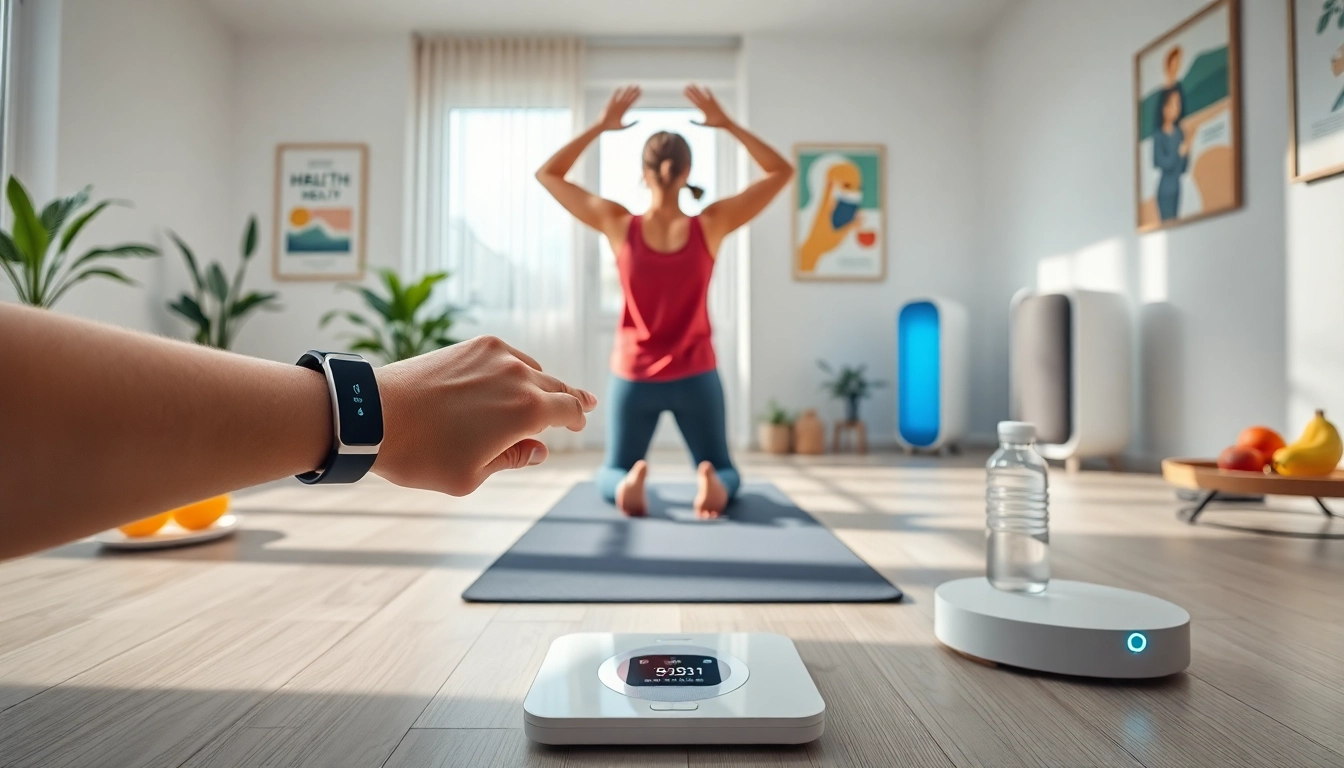
The Rise of Ultimate Health Tools in 2025
As we advance into 2025, the quest for optimal health continues to dominate our lives, influencing our choices from fitness regimens to dietary habits. The evolution of ultimate health tools has made significant strides, providing users with cutting-edge technologies designed to enhance physical and mental well-being. These tools empower individuals to take control of their health and wellness, offering a range of features that cater to specific needs and preferences.
Understanding Ultimate Health Tools
Ultimate health tools encompass a variety of devices and applications designed to monitor, track, and improve health outcomes. This includes wearable technology like fitness trackers and smartwatches, as well as mobile applications that assist users in managing their health data. The purpose of these tools is to create a more personalized approach to health management, allowing users to set goals, monitor progress, and obtain insights into their health status.
Many of these tools leverage advanced algorithms and artificial intelligence to provide suggestions that adapt to individual behaviors and preferences, ensuring a tailored experience. By integrating with other health platforms, users can achieve a comprehensive view of their health journey.
Current Trends in Health Technology
In 2025, the health technology sector is witnessing remarkable trends that are shaping the future of wellness. One prominent trend is the rise of telehealth and virtual care, which have become essential as patients seek remote solutions for consultations and follow-ups. This shift not only increases accessibility but also ensures continuity of care, even from the comfort of one’s home.
Additionally, mental health tools are gaining popularity as awareness around mental well-being increases. Apps offering meditation, mindfulness exercises, and mood tracking are helping users manage stress and anxiety effectively. The integration of these mental wellness tools with physical health devices creates a holistic approach to well-being.
Key Features of Effective Health Tools
Precision Tracking and Monitoring
Effective health tools must offer precise tracking capabilities. For instance, fitness trackers now come equipped with advanced sensors that can monitor heart rate, sleep patterns, and even blood oxygen levels. This data helps users identify trends and make informed decisions about their lifestyle. By providing real-time metrics, users can adjust their activities or routines to optimize their health outcomes.
User-Friendly Interfaces
Another essential characteristic of successful health tools is user-friendliness. Many users may not be tech-savvy, so intuitive designs that facilitate easy navigation are crucial. Health apps typically offer streamlined interfaces, guiding users effortlessly through data entry and feature utilization, which enhances adoption rates significantly.
Integration with Health Apps
Integration capabilities are fundamental in today’s interconnected digital world. The ability to sync data across various health applications enables users to consolidate their health records for better insights. For example, linking fitness trackers with nutrition apps allows users to correlate physical activity with dietary choices, fostering a deeper understanding of how these factors influence their overall health.
Practical Applications of Ultimate Health Tools
Enhancing Fitness Routines
Ultimate health tools are invaluable for enhancing fitness routines. With personalized workout plans generated based on user data, fitness tracking devices motivate individuals to reach their physical goals. Moreover, many apps provide guided workouts that adapt to users’ fitness levels, creating a supportive environment for progress.
Improving Mental Wellness
Tools designed for mental wellness play a crucial role in improving users’ psychological health. By using guided meditation and mindfulness techniques, users can effectively manage stress and anxiety. Programs that incorporate breathing exercises and cognitive behavioral therapy strategies provide users with essential skills for dealing with daily stressors and enhancing emotional resilience.
Nutrition and Dietary Tracking
Nutrition-focused health tools are transforming how individuals approach their diets. Apps that help users track their food intake and caloric consumption facilitate healthier eating habits. Users can receive nutritional advice based on their dietary goals, preferences, and overall health needs, making it easier to achieve a balanced diet.
Challenges in Adopting Health Tools
Common User Misconceptions
Despite the benefits, adopting health tools comes with its challenges. One common misconception is that these tools can replace professional medical advice. While they can assist in tracking health, users should always consult healthcare professionals for critical health decisions. Additionally, relying solely on these tools may lead to an incomplete understanding of personal health.
Understanding Data Privacy
Data privacy is a growing concern in the health technology sector. Users may hesitate to utilize health tools due to fears about data security and the misuse of personal information. It’s crucial for companies to prioritize transparency regarding how user data is collected, stored, and used. Implementing robust security measures can help alleviate these concerns.
Cost vs. Value Considerations
Cost consideration remains a barrier for many potential users of ultimate health tools. While some devices may come with a hefty price tag, users must evaluate the long-term benefits and potential cost savings that come with improved health outcomes. Integrating health tools into daily life can lead to significant health improvements, ultimately providing value that outweighs the initial investment.
Future Trends for Health Tools Beyond 2025
Advancements in AI and Health
The future of health tools lies in the advancements in artificial intelligence (AI). As AI continues to develop, we can expect more sophisticated health analytics and insights. AI algorithms will analyze complex health data, identifying patterns that could lead to groundbreaking preventive measures and treatment options for chronic diseases.
Customized Health Solutions
Personalization will be paramount as users seek solutions tailored to their unique health profiles. Future health tools will adapt more flexibly to individual needs, providing customized recommendations based on genetic makeup, lifestyle, and health history. Such targeted approaches will empower more people to take control of their health.
Global Accessibility and Inclusivity
To achieve significant health improvements, tools must also be accessible to diverse populations. The focus on inclusivity will shape the future of health technology, ensuring that individuals from various demographics can benefit from health tools regardless of their geographical location or socioeconomic status. Efforts to place vital health resources into underserved communities will be pivotal in combating global health disparities.
 Olivia Thompson