

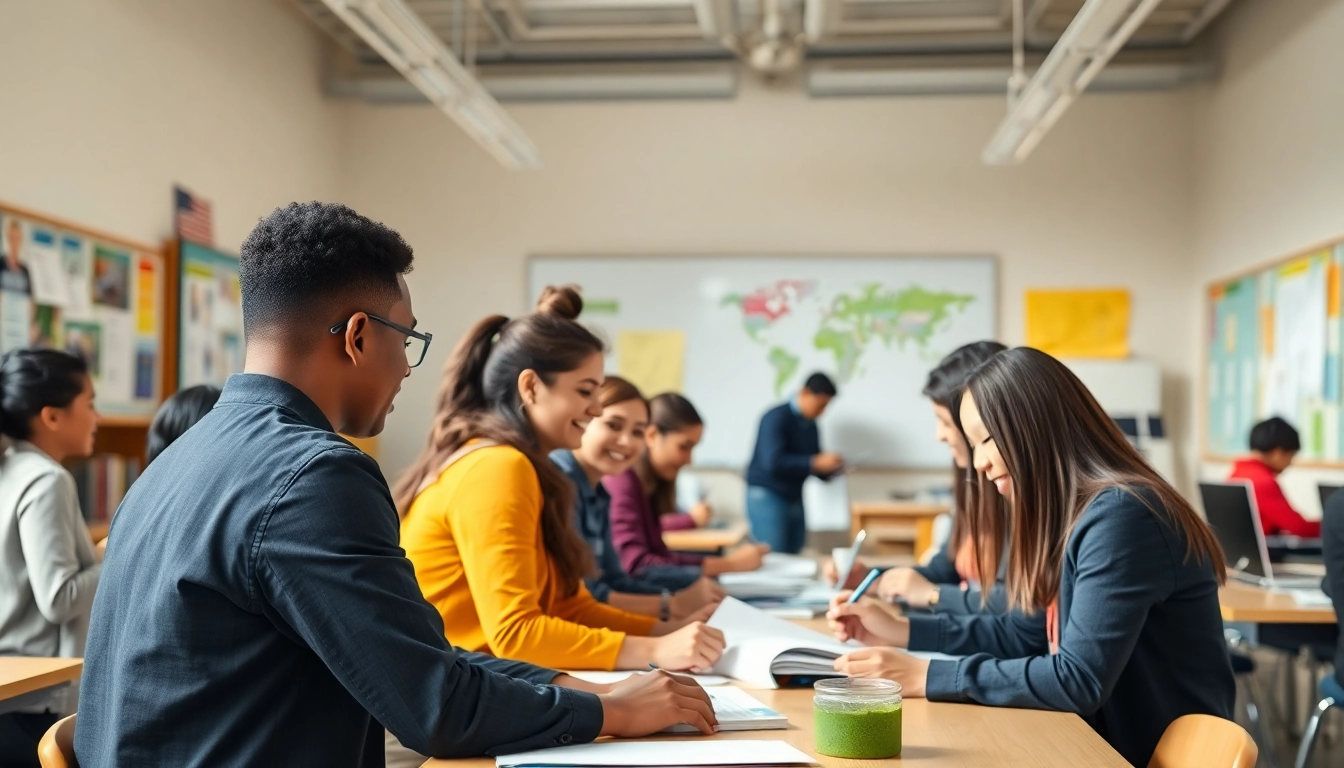
Understanding the Importance of Education
Defining Education’s Role in Society
Education serves as the foundation of a productive society, influencing economic growth, social cohesion, and cultural values. It transcends mere knowledge acquisition—education shapes individuals, instills civic responsibility, and promotes critical thinking. As the global landscape shifts due to technological advancements and social changes, the importance of education becomes even more pronounced, emphasizing its role as a vehicle for empowered citizenship and innovation.
At its core, Education is not only about traditional learning environments; it highlights the significance of lifelong learning and adaptability in a rapidly changing world. It enables individuals to navigate complexities, understand diverse perspectives, and participate in societal dialogues. Moreover, education fosters values such as equality and tolerance, which are crucial for maintaining democratic societies.
Historical Perspectives on Education
Historically, education has undergone profound transformations reflecting the values of different eras. In ancient civilizations, such as Egypt and Greece, education was primarily the privilege of the elite, focusing on rhetoric, philosophy, and mathematics. As societies evolved, so did educational paradigms, expanding access and diversifying curricula. The Industrial Revolution marked a significant turning point, leading to the establishment of formal schooling systems designed to equip the workforce with practical skills.
In the twentieth century, education systems began to prioritize inclusivity. The civil rights movement, for instance, sparked initiatives aimed at dismantling segregated educational practices, paving the way for equitable access to education for all demographics. Today, the emphasis is on creating globally competitive educational frameworks that address the needs of the twenty-first century, advancing not only academic learning but also social and emotional development.
Current Trends Influencing Education
Modern education is influenced by various trends, shaped by advancements in technology, the rise of globalization, and shifts in pedagogical theories. They offer new opportunities and challenges in learning and teaching processes. Key trends include:
- Integration of Technology: Digital tools have revolutionized the classroom, making learning interactive and accessible. From e-learning platforms to gamification, technology is essential in enhancing the teaching and learning experience.
- Personalized Learning: Educators are increasingly leveraging data to tailor learning experiences against individual student needs, promoting engagement and academic success.
- Focus on Soft Skills: Current educational paradigms recognize the importance of soft skills—communication, teamwork, and emotional intelligence—as vital for success in modern workplaces.
These trends make the education system more relevant and responsive to present and future demands, allowing learners to thrive in an ever-changing world.
Strategies for Effective Education
Active Learning Techniques
Active learning engages students in the process of learning through various methods and strategies that encourage participation. This technique contrasts with traditional lectures where students passively absorb information. Some effective active learning strategies include:
- Group Discussions: Facilitating discussions encourages students to articulate their thoughts and develop critical thinking skills.
- Problem-based Learning: Students tackle real-world problems, applying their knowledge and skills to come up with solutions, which enhances their analytical capabilities.
- Interactive Simulations: Using simulations allows learners to experience theoretical concepts in practical scenarios, reinforcing their understanding.
By implementing these strategies, educators can create an engaging learning environment that promotes deeper understanding and retention of information.
Collaborative Learning Methods
Collaboration in education promotes teamwork, encourages peer-to-peer interaction, and fosters community building among students. Collaborative learning can take various forms, such as:
- Peer Teaching: Students take turns teaching one another, which reinforces their knowledge and builds confidence.
- Project-Based Collaborations: Group projects allow students to work together to solve complex problems, bringing diverse perspectives and skill sets into play.
- Online Collaborative Platforms: Digital tools like forums and shared documents enable collaborative learning beyond physical classrooms.
These methods not only enhance learning outcomes but also prepare students for a cooperative workforce model.
Incorporating Technology in Education
Technology plays an integral role in modern education, offering innovative ways to engage students and enhance learning. Innovative applications of technology in education include:
- Flipped Classrooms: Students learn new content at home through video lectures and then engage in discussions and activities in class, allowing for deeper conceptual understanding.
- Learning Management Systems (LMS): These platforms streamline the administration of educational courses, providing resources, assessments, and communication tools in one accessible location.
- Virtual Reality (VR) and Augmented Reality (AR): These immersive technologies allow students to explore and interact with content in dynamic ways, such as simulations of historical events or scientific phenomena.
By thoughtfully integrating technology, educators can create versatile learning environments that cater to diverse learning styles and preferences.
Challenges in Education Today
Addressing Educational Inequality
Despite strides toward inclusivity, educational inequality remains a pressing issue. Factors such as socioeconomic status, geographic location, and systemic biases significantly influence access and quality of education. Addressing these disparities requires multi-faceted approaches, such as:
- Policy Reform: Legislative measures must focus on equitable funding for schools in underserved areas, ensuring that every student has access to quality education irrespective of their background.
- Community Engagement: Collaborating with families and communities fosters an environment that values education and supports student learning.
- Diversity in Curriculum: Ensuring the curriculum reflects diverse histories and perspectives can promote inclusivity and enhance student engagement.
Ultimately, addressing educational inequality is crucial for fostering a just society and unlocking the potential of all learners.
Managing Classroom Dynamics
Effective classroom management is vital for creating an environment conducive to learning. In diverse classrooms, where students may have varying backgrounds and learning needs, strategies may include:
- Establishing Clear Expectations: Setting classroom norms and expectations at the onset helps create a respectful and productive environment.
- Responsive Teaching: Understanding individual student needs and adjusting teaching methods accordingly can effectively engage all learners.
- Behavior Management Techniques: Utilizing positive reinforcement and conflict resolution strategies can help in maintaining a calm and orderly classroom.
By effectively managing classroom dynamics, educators can enhance student engagement while minimizing disruptions.
Navigating Educational Policies
Educational policies significantly shape the landscape of teaching and learning. Navigating these policies can present challenges, including:
- Compliance Issues: Schools and educators must comply with various standards and regulations, often requiring significant administrative support.
- Adapting to Changes: Frequent shifts in educational policy can create uncertainty in curriculum and teaching methods, demanding flexibility from educators.
- Advocacy: Teachers and educational leaders must engage in advocacy efforts to influence policies that directly affect their students and communities.
By understanding and navigating these frameworks, educators can better support their students’ needs while championing meaningful change in education policies.
Measuring Success in Education
Performance Metrics and Assessments
Assessing student performance is essential for evaluating educational effectiveness, guiding instruction, and providing feedback to learners. Various metrics and assessments can be employed:
- Standardized Testing: While often criticized, standardized assessments provide valuable data on student achievement across populations.
- Formative Assessments: These ongoing assessments offer insights into student understanding, allowing educators to adjust instruction in real time.
- Portfolio Assessments: Collecting student work over time illustrates growth and mastery in different subjects and skills.
Incorporating diverse assessment methods ensures a comprehensive understanding of student performance and helps drive instructional decisions.
Feedback Mechanisms for Improvement
Feedback is crucial for student development and success in education. Effective feedback mechanisms include:
- Peer Feedback: Encouraging students to provide feedback to one another fosters collaborative learning and promotes critical evaluation skills.
- Self-Assessment: Teaching students to assess their own work nurtures metacognitive skills and promotes self-directed learning.
- Teacher Feedback: Constructive feedback from educators should be timely, specific, and actionable, guiding students on how to improve their work.
By establishing robust feedback mechanisms, educators can create an atmosphere of continuous improvement and learning.
Long-term Outcomes of Education
The long-term impact of education is profound, influencing not only individual lives but also society at large. Key outcomes include:
- Economic Mobility: Education is often linked to better employment opportunities and income potential, contributing to upward mobility in society.
- Social Responsibility: Educated individuals are more likely to engage in civic activities, understanding their role and responsibilities within their communities.
- Health Outcomes: Studies indicate that higher levels of education correlate with improved health outcomes, as educated individuals tend to make informed health choices.
These outcomes underscore the essential role of education in fostering a resilient, informed, and equitable society.
Future Trends in Education
Emerging Technologies in Learning
The landscape of education will continue to evolve as new technologies emerge, transforming how knowledge is delivered and consumed. Key emerging technologies include:
- Artificial Intelligence (AI): AI-powered tutoring systems can personalize learning by providing tailored interventions based on student performance and learning styles.
- Blockchain: Blockchain technology has the potential to revolutionize credentialing, creating verifiable digital credentials that enhance trust in educational qualifications.
- Wearable Technology: Devices that monitor student engagement and health offer insights that can lead to improved learning environments and student well-being.
Staying informed and integrating these technologies into educational practices will be crucial for preparing students for a future driven by advanced technologies.
Personalized Education Pathways
Personalized learning pathways allow students to progress at their own pace and according to their unique interests and abilities. This approach involves:
- Adaptive Learning Platforms: These platforms analyze student data to customize learning materials and experiences.
- Student Choice: Allowing students to select projects or topics fosters engagement and ownership of their learning.
- Flexible Curricula: Educators adapting curricula based on student interests and needs can enhance motivation and relevance.
Implementing personalized education pathways ensures that all students receive an education that resonates with their individual goals and learning styles.
Global Perspectives on Education’s Evolution
Education systems worldwide are diverse, influenced by cultural, social, and economic factors. A global perspective emphasizes:
- Cross-Cultural Learning: Incorporating international curricula promotes global citizenship and understanding of cultural diversity.
- International Collaborations: Global partnerships between educational institutions can enhance resource sharing and innovation in teaching methodologies.
- Sustainable Development Goals: Education plays a pivotal role in achieving sustainable development, emphasizing equity, quality, and inclusivity.
By learning from global practices, educators can adopt strategies that foster a holistic approach to education and promote necessary skills for the future.