
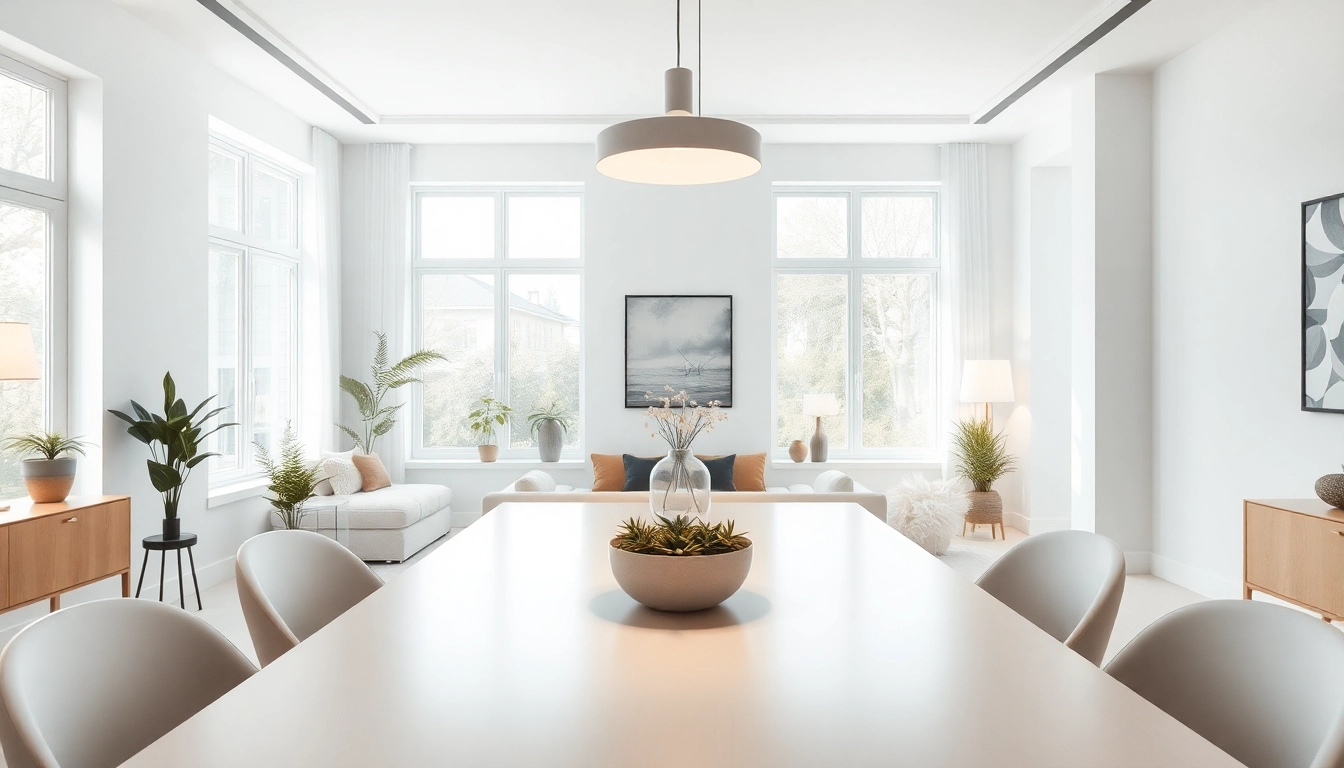
Understanding Sleek Illumination
The Concept of Sleek Illumination
Sleek Illumination is more than just a design trend—it’s a philosophy that merges form and function in the realm of lighting. Characterized by minimalist designs, clean lines, and elegant fixtures, this style aims to create a harmonious balance between aesthetics and practicality. In contrast to traditional lighting setups, which often prioritize functionality above all else, sleek illumination emphasizes a refined look that enhances the overall atmosphere of a space. It integrates technology with artistic expression, allowing homeowners and designers alike to create visually stunning environments. A notable aspect is the emphasis on energy efficiency, often associated with modern lighting solutions that reduce electricity consumption while providing effective illumination. For more insights into this captivating approach, explore our thoughts on Sleek Illumination.
Benefits of Sleek Illumination in Design
The incorporation of sleek illumination brings a multitude of benefits to any design project. Firstly, it enhances the aesthetic quality of a space. With minimalist designs, sleek fixtures tend to draw less attention to themselves while still creating a stunning visual effect. This allows for flexibility in decorating and furnishing. Moreover, these lighting solutions optimize the use of light. Modern LED technologies provide versatile lighting options that can be adjusted for various purposes, from task lighting to ambient glow.
Another significant advantage is the promotion of well-being. Proper illumination can affect mood, productivity, and health. With the ability to adjust light levels and temperatures, sleek illumination can create environments that support various activities, from relaxation to focused work. What’s more, many sleek lighting designs integrate smart technology, allowing users to control their lighting remotely, set schedules, and even sync lights with home entertainment systems for an immersive experience.
Comparing Traditional vs. Sleek Illumination
When contrasting traditional lighting with sleek illumination, the differences are stark. Traditional lighting often relies on ornate fixtures, a wide array of wattage options, and can sometimes create a cluttered environment. Such designs tend to be more functional, focusing primarily on the distribution of light throughout a space.
On the other hand, sleek illumination prioritizes simplicity and sophistication. The focus is not just on light, but on how that light interacts with the space. Sleek designs often use fewer fixtures, emphasizing efficiency and style. For instance, while a traditional chandelier may dominate a room, a sleek pendant light can subtly accent a room’s design without overwhelming it. Additionally, sleek illumination often favors energy-efficient technologies, like LED lights, further reducing their environmental footprint compared to traditional counterparts.
Essential Elements of Sleek Illumination
Light Types and Their Effects
Understanding the types of light is crucial when designing a space with sleek illumination. The primary light types include ambient, task, and accent lighting:
- Ambient Lighting: This is the general illumination of a space and can be achieved with ceiling fixtures, wall-mounted lights, and integrated LED lighting systems. Sleek designs often use recessed lighting or hidden fixtures that blend seamlessly with the architecture.
- Task Lighting: This type focuses on areas where tasks are performed, such as desk lamps or under-cabinet lights in a kitchen. Sleek task lighting uses adjustable spots or strip lights to provide clear, direct illumination without creating shadows.
- Accent Lighting: This highlights specific features in a room, such as art pieces or architectural elements. Sleek accent lights may include directional spotlights that focus on selected areas, adding depth and interest to the environment.
By combining these lighting types, designers can create a layered, visually appealing environment that engages occupants while fulfilling specific functional needs.
Color Temperature and Mood Enhancement
The color temperature of light, measured in Kelvin (K), plays a pivotal role in shaping the atmosphere of a space. Sleek illumination typically favors a range of cooler color temperatures (3000K to 5000K) which create an inviting ambiance. Different color temperatures evoke various emotional responses:
- Warm White (2700K – 3000K): Ideal for living spaces and bedrooms, it provides a cozy, intimate atmosphere.
- Neutral White (3500K – 4100K): Best suited for kitchens and bathrooms, it strikes a balance, offering both warmth and clarity without being too harsh.
- Cool White (5000K): Recommended for workspaces where concentration is key, cool light mimics daylight, enhancing alertness and productivity.
Choosing the right temperature not only affects functionality but also emotional well-being, enabling homeowners to curate spaces that reflect their lifestyle and preferences.
Textures and Finishes that Complement
The interplay of textures and finishes is essential in achieving sleek illumination. Common finishes that enhance this design philosophy include matte surfaces, brushed metals, and clear glass. These materials reflect light differently and can create unique visual effects:
- Matte Finishes: Absorb light and reduce glare, offering a subtle sophistication while making spaces feel cozy.
- Brushed Metal: Provides a modern touch with a softer shine that can harmonize with various décor styles.
- Clear Glass: Allows light to pass through unobstructed, creating a sense of openness and space.
Using these materials thoughtfully can lead to impressive results, enabling a seamless integration between the lighting fixtures and the overall decor.
Implementing Sleek Illumination in Your Space
Key Lighting Techniques and Strategies
The successful implementation of sleek illumination involves several key techniques:
- Layered Lighting: Combining different types of lighting (ambient, task, accent) yields better results than relying on one type alone.
- Dimmer Switches: Installing dimmer switches allows for adjustable brightness levels, enhancing the versatility of each room.
- Smart Controls: Utilizing smart lighting solutions empowers users to manage their space effectively, adjusting colors and intensities as needed.
- Focus on Focal Points: Use accent lighting to highlight artwork or architectural features, creating visual interest and depth.
Such strategies can shift how individuals experience a space, transforming basic rooms into inspiring environments.
Step-by-Step Guide for Homeowners
For homeowners looking to integrate sleek illumination, here’s a practical guide:
- Assess Your Space: Identify areas that require different levels of lighting based on activity.
- Select Fixtures: Choose sleek, modern fixtures that harmonize with your style.
- Plan Layout: Sketch a lighting plan that incorporates the three lighting types and considers the layout of furniture.
- Install Dimmers: Make your lighting more versatile by adding dimmer switches to different light sources.
- Test Color Temperatures: Experiment with various bulbs to find the right hue for each room’s purpose.
- Review and Adjust: Once installed, review the setup during different times of day and adjust as necessary for the best results.
This systematic approach helps create spaces that are not only visually appealing but also functional and inviting.
Common Mistakes to Avoid
When looking to implement sleek illumination, certain pitfalls can undermine the desired effects:
- Over-Illuminating: Too much light can lead to an uncomfortable glare. Aim for balance with softer fixtures and dimmers.
- Neglecting Layers: Using only one type of lighting can result in a flat atmosphere. Always incorporate multiple layers.
- Ignoring Color Temperature: Choosing the wrong color can disrupt the mood. Pay careful attention to the specific need of each room.
- Forgetting Placement: Positioning lights incorrectly can reduce their effectiveness. Be strategic about where light fixtures are placed.
- Overcomplicating Designs: A cluttered installation can detract from the sleek design. Keep installations neat and streamline fixtures.
Being aware of these common mistakes can help homeowners achieve ideal results without unnecessary complications.
Creating Harmony with Sleek Illumination
Balancing Brightness and Ambiance
Creating harmony with sleek illumination entails understanding the delicate balance between brightness and ambiance. It is essential to prioritize the function of each space while also considering its aesthetic purposes. Brightness levels should complement the intended activities. For example:
- Living Rooms: Should feature warm lighting for relaxation, with the ability to increase brightness for activities.
- Workspaces: Require clear, bright lights to enhance focus and encourage productivity.
- Dining Areas: Benefit from adjustable lighting that can bring warmth during meals while being bright enough for food preparation.
By adjusting lighting settings according to the mood and function required, homeowners can achieve a spatial harmony that invites comfort and focus.
Integrating with Interior Design Styles
Sleek illumination can seamlessly integrate with various interior design styles. By choosing the right fixtures and colors, almost any aesthetic can be enhanced:
- Modern and Minimalist: Simple, geometric fixtures in neutral colors work best.
- Industrial: Combining metal finishes with warm, ambient lighting creates interesting contrasts.
- Contemporary: Sleek fixtures can complement organic shapes and textures found in contemporary interior designs.
Understanding the core elements of the intended design style is crucial to achieve a cohesive look throughout the home.
Using Sleek Illumination in Outdoor Spaces
Outdoor spaces are often overlooked in discussions about illumination; however, sleek lighting can enhance patios, gardens, and walkways significantly. Considerations for external spaces include:
- Fixture Selection: Choose weather-resistant materials that maintain the sleek aesthetic without compromising durability.
- Pathway Lighting: Low-profile lights can illuminate pathways without overpowering the natural beauty of landscaping.
- Accent Lighting: Use spotlights to highlight trees or architectural features, extending the usability of outdoor spaces into the evening.
With thoughtful outdoor illumination design, spaces can become multifunctional and aesthetically pleasing after dark as well.
Future Trends in Sleek Illumination
Advancements in Lighting Technology
As the worlds of technology and design continue to merge, advancements in lighting technology are paving the way for innovative sleek illumination solutions. Smart lighting, which allows for increased control and efficiency, is becoming prevalent. Users can manipulate light color, intensity, and even schedule lighting based on their needs using mobile apps or voice commands.
Additionally, advancements in LED technology mean that fixtures can now be smaller and more versatile, enabling previously unimaginable design options. Expect to see trends that emphasize sustainability, as energy-efficient lighting is favored in modern designs.
Sustainability in Lighting Design
As environmental consciousness grows, so too does the emphasis on sustainable lighting design. Sleek illumination inherently promotes energy efficiency, with LED fixtures reducing energy consumption while still providing excellent lighting. Additionally, solar-powered lighting options are becoming more widely adopted, especially in outdoor applications, integrating sustainability without sacrificing style.
As eco-friendly practices become standard across industries, incorporating sustainable elements into lighting design will not only meet regulatory requirements but also appeal to a growing market of eco-conscious consumers.
Visioning the Future of Home Illumination
Looking towards the future of home illumination, sleek illumination will likely play a fundamental role in shaping innovative living environments. Enhanced automation through AI technology may allow lighting to adjust dynamically based on the time of day or the activities being performed in each space. Integration with smart home systems will create a seamless experience, where lighting, temperature, and security can harmonize to enhance homeowners’ lifestyles.
Moreover, as designers increasingly push boundaries, we may see new materials and smart textiles used in lighting solutions, creating installations that adapt and react to their surroundings in real-time.
FAQs:
What is Sleek Illumination?
Sleek Illumination refers to modern, minimalist lighting design that emphasizes elegance and efficiency.
How can I incorporate Sleek Illumination?
Focus on choosing the right fixtures, use natural light, and consider color temperature for desired mood.
What are the advantages of Sleek Illumination?
It enhances aesthetics, improves functionality, and promotes a relaxing environment.
Are there specific types of fixtures for Sleek Illumination?
Yes, LED, recessed lights, and pendant fixtures are popular choices.
How does Sleek Illumination affect mood?
It creates a warm, inviting atmosphere, which can influence relaxation and productivity.