
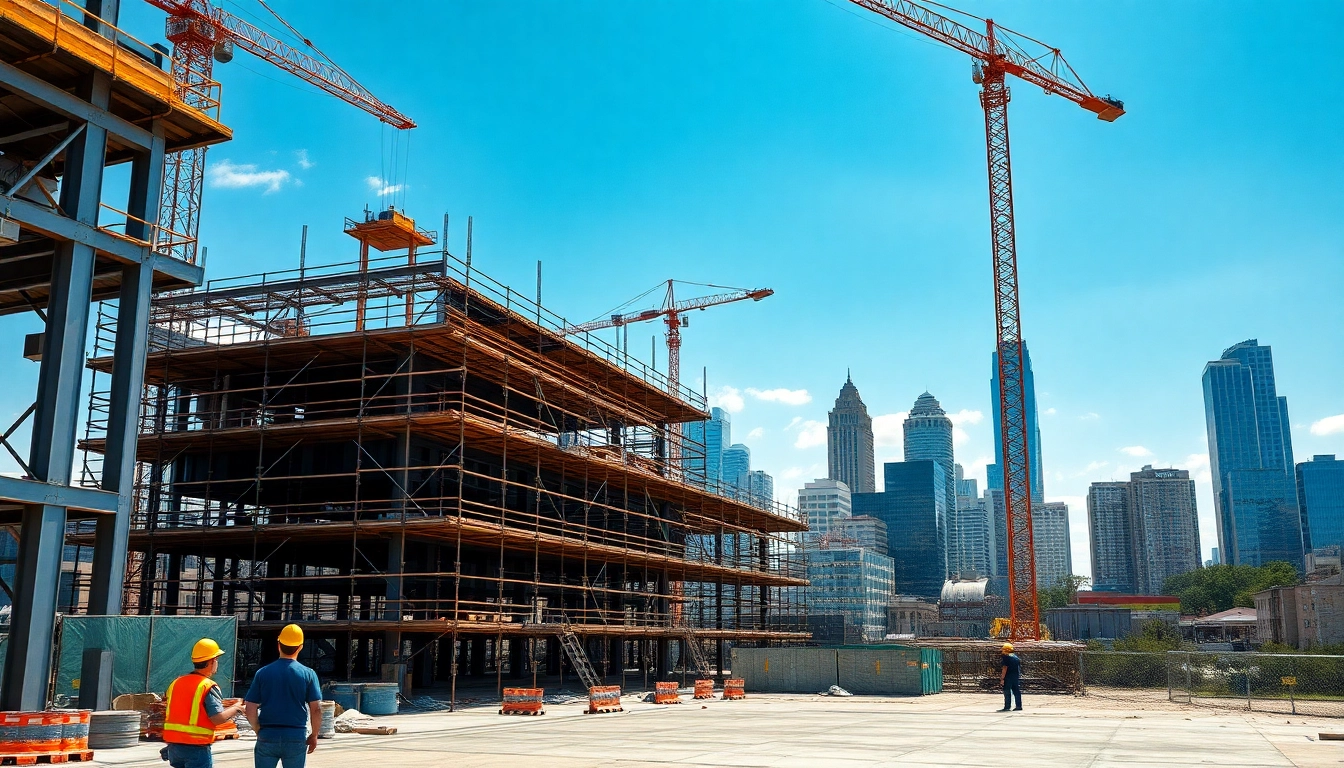
Understanding the Austin Construction Landscape
The construction industry in Austin, Texas, is thriving, fueled by a booming economy, an influx of new residents, and a continuous demand for housing and infrastructure development. As the city grows, understanding the complexities of Austin construction becomes paramount for stakeholders, including contractors, developers, and investors. The unique building regulations, local trends, and competition shape the landscape, making it essential to stay informed. For more insights, you can delve into Austin construction resources.
Overview of Local Building Regulations
Austin’s construction ecosystem is governed by a comprehensive framework of regulations aimed at ensuring safety, sustainability, and urban development growth. Zoning laws, building codes, and permit requirements are the foundation upon which these regulations are built. Understanding these frameworks is crucial.
1. Zoning Regulations: Austin’s zoning ordinances regulate land use and density, impacting where and how buildings can be constructed. The city promotes mixed-use developments to accommodate residential and commercial growth while fostering community engagement.
2. Building Codes: Compliance with the International Building Code (IBC) is mandatory, addressing structural integrity, safety, accessibility, and energy efficiency. Contractors must stay updated on local amendments to these codes, ensuring their projects meet current standards.
3. Permitting Process: The process can be extensive, including site development permits, construction permits, and inspections. Understanding the nuances of the permitting process is essential for timely project execution.
Key Trends in Austin Construction
As Austin’s landscape evolves, several trends have emerged that significantly influence the construction industry:
- Increased Demand for Sustainable Building: With a growing awareness of environmental impacts, green building practices are becoming more prevalent. Many projects now prioritize sustainable materials and energy-efficient designs.
- Rise of Urban Infill: As space in the city becomes limited, developers are focusing on infill development – utilizing vacant lots within existing urban areas, which helps preserve green spaces.
- Smart Building Technologies: The incorporation of IoT (Internet of Things) devices, automation, and energy management systems is gaining traction. Smart buildings enhance efficiency and improve occupant experiences.
Identifying Major Competitors and Market Players
The Austin construction market is competitive, with numerous players ranging from local businesses to large-scale firms. Key competitors include:
- Residential Contractors: Companies specializing in single-family homes and multifamily units, adapting quickly to changing market demands.
- Commercial Builders: Firms focusing on office spaces, retail properties, and mixed-use developments that cater to the city’s economic growth.
- Subcontractors: Electricians, plumbers, and other specialists play crucial roles, often determining the efficiency and quality of construction projects.
Common Challenges in Austin Construction Projects
Despite the thriving environment, several challenges persist within the Austin construction sector that stakeholders must navigate.
Dealing with Permitting Issues
Permitting issues are a significant bottleneck in many construction projects. The complexity and time required for obtaining permits can lead to delays, impacting overall project budgets and timelines. To address this, companies can:
- Invest in training staff on local regulations and processes.
- Work closely with local government bodies to streamline communication and acquire insights on potential challenges.
- Utilize project management software that includes a permitting tracker for better organization.
Budgeting and Cost Overruns
Cost overruns are common in construction projects, driven by unforeseen circumstances and inadequate project planning. To mitigate this, contractors can adopt the following best practices:
- Conduct thorough initial assessments to develop realistic budgets.
- Regularly monitor project expenses and timelines against the original budget throughout the construction phase.
- Establish contingency funds to accommodate unforeseen costs.
Labor Shortages and Skills Gap
The construction sector in Austin is experiencing a significant skills gap, partly due to an aging workforce and a lack of young talent entering the field. Addressing this challenge requires:
- Engaging with local educational institutions to promote educational programs in construction and trades.
- Offering apprenticeships and training programs to develop new talent.
- Creating a workplace culture that attracts and retains skilled workers through competitive wages and benefits.
Best Practices for Successful Austin Construction
Employing effective strategies is crucial for success in Austin’s construction industry. Here are some best practices that can lead to enhanced outcomes.
Effective Project Management Techniques
Strong project management is essential for overseeing various aspects of construction projects. Recommended techniques include:
- Implementing Agile project management methodologies to increase flexibility and responsiveness to changes.
- Utilizing construction project management software to streamline tasks, schedules, and communication.
- Conducting regular meetings to assess project progress and address issues proactively.
Collaboration with Local Vendors
Building relationships with local vendors can provide numerous advantages, such as cost savings and quicker turnaround times. To foster collaboration:
- Develop long-term partnerships with reliable suppliers to ensure quality materials at competitive prices.
- Engage local subcontractors who understand the regional market, regulations, and construction methods.
- Participate in local trade shows and networking events to connect with potential partners.
Emphasizing Safety and Compliance
Prioritizing safety not only protects workers but also enhances a company’s reputation. To ensure compliance:
- Conduct regular safety training sessions to keep employees informed about best practices and new regulations.
- Establish a safety committee to monitor procedures and suggest improvements.
- Invest in safety equipment and technology that promote a safe working environment.
Innovative Solutions in Austin’s Construction Industry
Innovation is at the heart of advancing the construction industry in Austin. The following solutions are transforming practices and outcomes:
Utilizing Technology and Software
Technology plays a crucial role in enhancing efficiency and productivity in construction. Key innovations include:
- Building Information Modeling (BIM) software enables precise planning and visualization, reducing errors and rework.
- Drones for site surveys provide real-time data and insights, improving project monitoring and management.
- Project management tools allow for better communication and tracking of resources, timelines, and tasks.
Adopting Sustainable Practices
With the growing focus on sustainability, incorporating eco-friendly practices can lead to competitive advantages. Strategies include:
- Using recycled materials and sustainable timber to minimize the environmental impact.
- Implementing energy-efficient design principles and practices throughout the construction process.
- Achieving certifications such as LEED (Leadership in Energy and Environmental Design) to demonstrate commitment to sustainability.
Incorporating Smart Building Technologies
The future of construction is increasingly intertwined with technology. The adoption of smart building technologies can significantly enhance building efficiency and user experience. Key aspects include:
- Integrating IoT devices for real-time monitoring and management of building systems such as HVAC, lighting, and security.
- Employing automated building management systems that optimize energy usage while enhancing occupant comfort.
- Utilizing data analytics to predict maintenance needs, enhancing the lifespan and efficiency of building systems.
Assessing Performance Metrics for Austin Construction
Measuring performance is vital for continuous improvement and ensuring successful project outcomes. This section highlights key metrics to assess performance in Austin’s construction sector.
Measuring Project Success Rates
Success in construction projects can be quantified using various metrics. Key considerations include:
- Timeliness: Assessing whether projects are completed on schedule.
- Budget Adherence: Evaluating if projects stayed within the proposed budget.
- Quality: Monitoring the structural integrity and compliance of finished projects.
Evaluating Customer Satisfaction
Customer satisfaction plays a critical role in a company’s reputation and repeat business. Effective methods to gather feedback include:
- Post-project surveys that gauge client satisfaction with the process and final output.
- Follow-up meetings to discuss potential areas for improvement.
- Implementing client referrals and testimonials as part of the marketing strategy.
Impact of Data-Driven Decisions
Utilizing data analytics to inform decisions can enhance efficiency and profitability. Benefits of data-driven decision-making include:
- Improved resource allocation based on historical project data.
- Predictive analytics that aid in anticipating market shifts and client demands.
- Identification of potential risks, enabling proactive mitigation strategies.