Understanding River Rope Bridges: An Overview
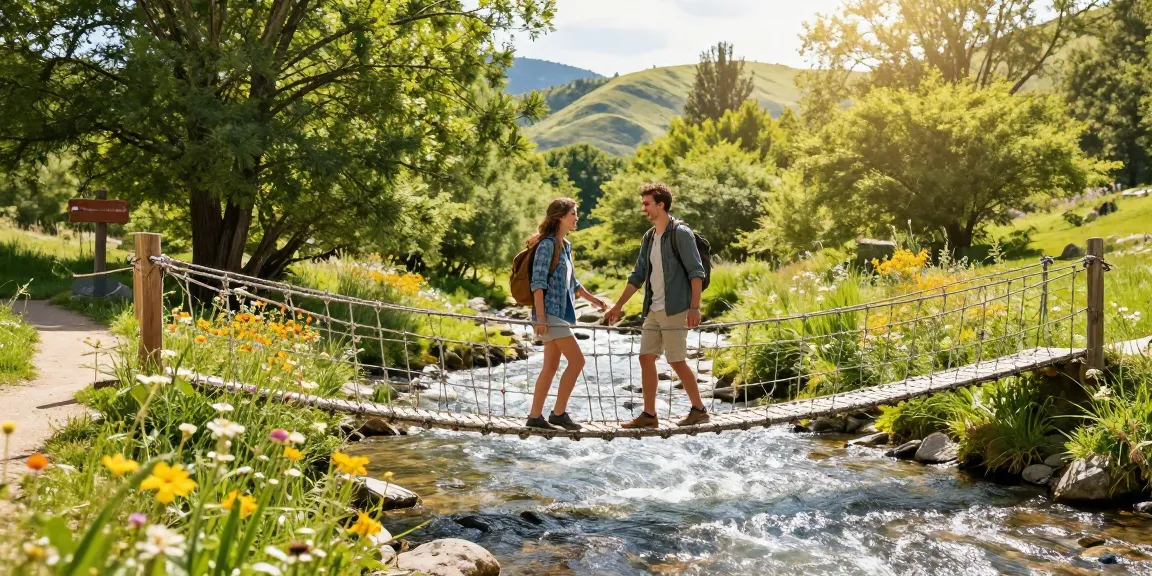
When exploring the unique engineering of River Rope Bridge, we uncover a fascinating intersection of functionality, adventure, and environmental harmony. These bridges, often suspended over picturesque rivers, serve not only as essential crossing points for locals and adventurers alike but also as stunning attractions that highlight the natural beauty of their surroundings. In this article, we will delve into the various aspects of river rope bridges, their historical context, design considerations, and the thrill they provide to those who traverse them.
What is a River Rope Bridge?
A river rope bridge, often referred to as a suspension bridge, is a bridge that consists of cables, ropes, or chains suspended between vertical posts or towers. These bridges are typically built over rivers, gorges, or other challenging terrains, offering a flexible and lightweight solution that allows pedestrians to cross where traditional bridges might be impractical. Their design often evokes a sense of adventure and can be found in various forms around the globe, from simple, functional structures to intricate designs that enhance the natural landscape.
History and Evolution of Rope Bridges
Rope bridges have a rich history that dates back centuries. The earliest known examples were constructed by indigenous communities in regions such as the Andes of South America and the Himalayas, where they were essential for crossing deep gorges and rivers. These early designs were often made from natural materials like vines and grasses, showcasing remarkable ingenuity and adaptability.
As modern engineering evolved, so did the materials and techniques used in constructing rope bridges. The introduction of synthetic materials such as nylon and polyester dramatically increased the strength and durability of these structures. Today, engineers employ advanced design principles and technology, resulting in bridges that can support greater loads while providing a thrilling experience for users.
Key Features and Benefits of River Rope Bridges
- Lightweight Construction: Rope bridges are generally lighter than their solid counterparts, making them easier to transport and install.
- Minimal Environmental Impact: Their construction often requires less invasive methods, preserving the natural landscape.
- Aesthetic Appeal: The elegant design of a rope bridge can enhance the visual attractiveness of its surroundings.
- Adventure Experience: These bridges provide a unique thrill for adventurers and tourists, drawing them to explore the area.
- Cost-Effective: Building a rope bridge can be less expensive than traditional bridge construction, making them an appealing option for challenging terrains.
Design Considerations for River Rope Bridges
The design of a rope bridge requires careful consideration of multiple factors to ensure safety, durability, and functional efficacy. Understanding these elements is critical for anyone looking to create or utilise a river rope bridge.
Materials and Durability Factors
Choosing the right materials is paramount in producing a safe and long-lasting river rope bridge. Traditional rope bridges used natural fibres, while modern designs utilise advanced synthetic materials that offer superior strength and resistance to environmental factors.
- Cables and Ropes: High-tensile strength synthetic ropes or cables are ideal for suspending the bridge.
- Decking: Wooden or composite materials can be used for the walking surface, offering durability and ease of maintenance.
- Anchoring System: Proper anchors are crucial for the structural integrity of the bridge, ensuring it can withstand weather conditions and user loads.
Safety Standards and Regulations
Safety is a top priority in the construction of river rope bridges. Adhering to local and international safety standards and regulations is essential to ensure the well-being of users. Factors include:
- Load Capacity: Calculating maximum load to determine the bridge's capacity to safely support the weight of pedestrians or equipment.
- Safety Barriers: Installing railings or nets to prevent falls and accidents.
- Regular Inspections: Establishing a maintenance schedule to inspect and repair any wear that may occur over time.
Designing for Aesthetics and Functionality
The integration of aesthetics in the design of a river rope bridge can significantly enhance its appeal. Factors to consider include:
- Visual Harmony: Ensuring that the bridge complements the surrounding environment and does not detract from the natural beauty.
- Accessibility: Designing the bridge to accommodate users of various abilities and age groups.
- Lighting: Incorporating illumination for safety and to highlight the bridge's features at night.
Building Your Own River Rope Bridge
For those interested in constructing their own river rope bridge, understanding the necessary tools and step-by-step processes is vital for success. Proper planning and execution can result in a safe and functional design that enhances one's property or outdoor area.
Essential Tools and Materials Needed
Before starting construction, gather the following tools and materials:
- High-tensile rope or cable for suspension
- Wooden planks or composite materials for decking
- Concrete or metal anchors for stability
- Carabiners and connectors for secure fastening
- Basic hand tools such as saws, wrenches, and drills
Step-by-Step Construction Guide
- Site Assessment: Choose a suitable location, assessing factors such as river width, flow, and bank stability.
- Design Planning: Create a detailed plan including dimensions, load capacity, and materials needed.
- Installation of Anchors: Securely install anchors on both sides of the river to provide stability.
- Suspension Setup: Attach the rope or cable to the anchors, ensuring proper tension and alignment.
- Deck Construction: Lay down the decking material, ensuring it is securely fastened.
- Safety Features: Install safety barriers and conduct load tests before use.
Common Challenges and Solutions in Bridge Building
Building a river rope bridge comes with its own set of challenges. Here are some common issues and potential solutions:
- Weather Conditions: Adverse weather can halt construction. Always check forecasts and plan work accordingly.
- Load Issues: If the bridge does not meet expected load capacities, consider reinforcing it with additional supports.
- Material Sourcing: Ensure reliable sources for quality materials to avoid delays and ensure safety.
Exploring Popular River Rope Bridge Locations
Many river rope bridges around the world are celebrated for their beauty and adventure potential. Exploring these can inspire those considering creating or crossing such bridges.
Famous River Rope Bridges Around the World
Several iconic river rope bridges have gained recognition for their unique designs and breathtaking views:
- Qeswachaka Bridge in Peru: This ancient Inca bridge is constructed from grass and is rebuilt annually.
- Carrick-a-Rede Rope Bridge in Northern Ireland: A popular tourist destination offering stunning views of the coastline.
- The Titlis Cliff Walk in Switzerland: A pedestrian suspension bridge providing stunning alpine views.
Ecotourism and River Rope Bridges
River rope bridges often play an essential role in ecotourism, providing safe and scenic routes for hikers and nature enthusiasts. They promote sustainable tourism by enabling access to otherwise unreachable areas while minimising environmental impact. Eco-conscious travellers are increasingly drawn to destinations featuring such structures.
How to Choose a Location for Your Adventure
When selecting a location to explore river rope bridges, consider factors like accessibility, safety, and the surrounding environment. Researching local trails and conservation areas can lead to hidden gems and memorable experiences. Additionally, be aware of the necessary permits or regulations in the chosen area.
The Future of River Rope Bridges: Trends and Innovations
As engineering and design continue to evolve, the future of river rope bridges looks promising. Emerging technologies and sustainable practices are shaping the way these structures are conceived and constructed.
Emerging Technologies in Bridge Design
Innovative technologies are revolutionising the construction of rope bridges. Advancements in materials science lead to the development of lightweight yet high-strength composites, enabling longer spans with less material. Moreover, computer-aided design (CAD) software allows for precise planning and simulation, ensuring better structural integrity.
Environmental Impacts and Sustainability Practices
As awareness of environmental issues grows, the construction of river rope bridges is increasingly guided by sustainability principles. Utilising renewable materials, minimising land disturbance during construction, and planning for a bridge's end-of-life are crucial considerations. Additionally, many new designs prioritise ecological preservation, often integrating features that support local wildlife.
Predictions for River Rope Bridges in 2026 and Beyond
By 2026, river rope bridges are likely to see expanded use in both urban and rural areas, offering unique solutions to crossing obstacles. The trend toward adventure tourism suggests that more destinations will embrace these structures, potentially leading to an increase in both public and privately funded projects.
What are the best practices for maintaining a river rope bridge?
Regular maintenance is crucial for ensuring the safety and longevity of river rope bridges. Best practices include:
- Conducting periodic inspections to identify wear and tear.
- Regularly tightening cables and checking anchors.
- Repairing or replacing damaged decking and safety features.
How much does it cost to build a river rope bridge?
The cost of constructing a river rope bridge can vary significantly based on factors such as materials, design complexity, and location. Typically, a simple structure may range from £2,000 to £10,000, while more elaborate designs could exceed £20,000.
Where can I find river rope bridge kits for DIY projects?
Many companies offer river rope bridge kits specifically designed for DIY enthusiasts. These kits often include pre-cut materials, detailed instructions, and essential hardware to simplify the construction process.
What safety measures should be taken when using a rope bridge?
When traversing a river rope bridge, always follow safety guidelines, including:
- Using harnesses and safety lines where appropriate.
- Travelling in small groups to prevent excessive load.
- Adhering to any posted guidelines or restrictions.
How do river rope bridges compare to other bridge types?
River rope bridges are often more flexible and lightweight than traditional bridges, making them suitable for remote areas where heavy construction equipment may not be feasible. However, they may not provide the same load capacity or durability as conventional solid structures. Each bridge type has its own advantages and is best suited to specific conditions.