Understanding Solana and Its Market Dynamics
What is Solana?
Solana is a high-performance blockchain platform designed for decentralized applications and crypto projects. Unlike many other blockchains, Solana utilizes a unique consensus mechanism called Proof of History (PoH), which enables it to process over 65,000 transactions per second. The architecture allows for quick confirmation times and significantly lowers transaction costs, positioning Solana as a strong contender in the expanding realm of decentralized finance (DeFi) and non-fungible tokens (NFTs). The native currency, SOL, plays a pivotal role in powering the network, serving as a means of exchange and a staking mechanism for validating transactions.
Factors Influencing Solana Live Price
The solana live price is influenced by various factors that investors should be aware of. These include market demand for SOL tokens, technological developments, overall cryptocurrency market trends, and regulatory news that could impact blockchain technology. Additionally, updates in the Solana ecosystem, partnerships, and adoption rates can fluidly change the price dynamics of SOL.
Comparing Solana with Other Cryptocurrencies
Solana distinguishes itself from other cryptocurrencies through its unique architecture and scalability. Unlike Bitcoin, which operates on a proof-of-work (PoW) mechanism, Solana leverages PoH. This allows it to achieve lower transaction confirmation times and an efficient validation process. Compared to Ethereum, which has faced scaling issues and high gas fees, Solana's low-cost transactions enhance its attractiveness for both developers and users interested in DeFi and NFT platforms. Furthermore, while Solana's concurrency model allows multiple transactions to be processed at once, Ethereum 2.0 aims to resolve scalability through sharding and proof-of-stake (PoS), potentially altering comparative market dynamics.
Tracking Solana Live Price: Tools and Techniques
Best Platforms to Monitor Live Prices
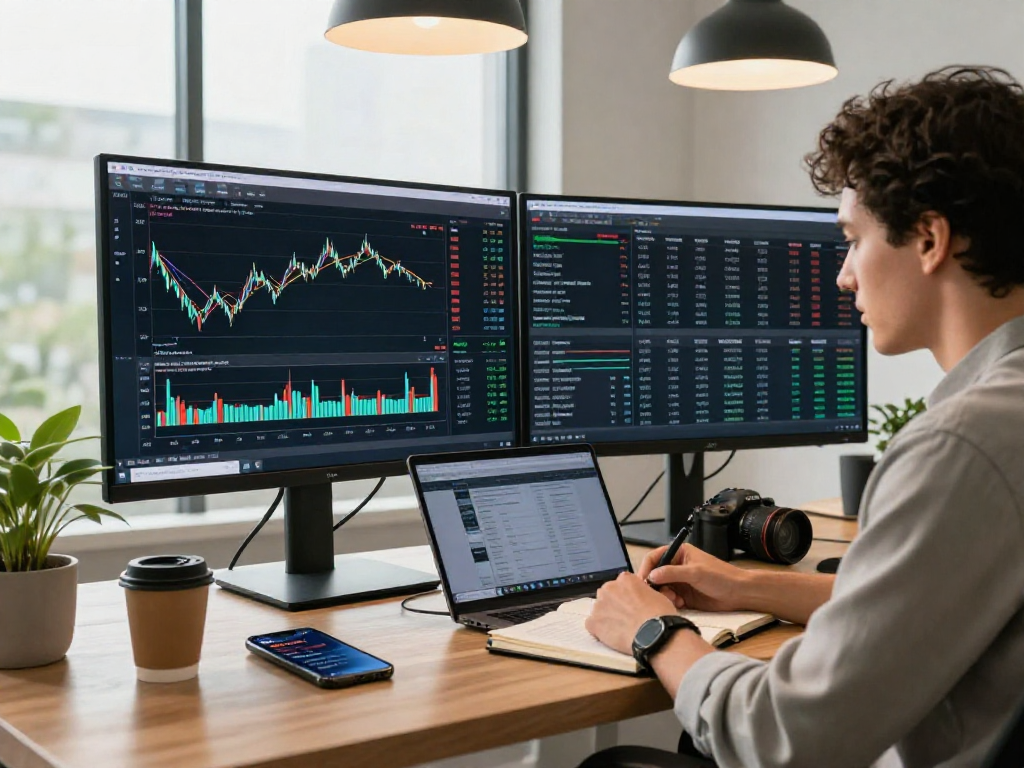
To effectively track the solana live price, various platforms provide real-time data, historical trends, and analytical tools. Cryptocurrency exchanges often display live price charts, which include trading volumes, price movements, and market cap insights. Websites like CoinMarketCap, CryptoCompare, and TradingView cater to traders with detailed price graphs and deeper analytics that aid in decision-making. Additionally, many mobile apps allow for on-the-go monitoring, giving traders an edge in fast-paced market conditions.
Setting Alerts for Price Changes
Setting price alerts is a vital strategy for active traders. Many platforms and applications, including Binance and Coinbase, offer features that allow users to configure alerts for specific price points. This can be particularly useful for buying or selling at predetermined levels. Alerts can be customized to notify users via push notifications on mobile devices, emails, or SMS, ensuring that they stay informed about significant price movements without the need to constantly monitor the market actively.
Using Historical Data to Predict Trends
Understanding past price movements through historical data can aid in accurately predicting future trends. Many traders utilize technical analysis, applying methods such as moving averages, Fibonacci retracements, and support-plus-resistance levels to gauge potential price actions. By analyzing historical patterns of price fluctuations, investors can identify cyclical behaviors and market trends, enabling them to make more informed trading decisions regarding SOL.
Analyzing Market Sentiment for Solana
Impact of Social Media on Price Fluctuations
Market sentiment, often swayed by social media discussions, has a profound impact on the solana live price. Platforms like Twitter, Reddit, and Telegram act as hubs for cryptocurrency discussions, where influencers and community members share insights, news, and predictions. Positive engagement around Solana can enhance its market value, while negative sentiments can lead to rapid price decreases. Monitoring social platforms can provide traders with insights into prevailing market attitudes that may not yet be reflected in the pricing data.
Key Events Affecting Solana’s Value
Specific events, such as major network upgrades, partnerships, or new platform launches, can significantly influence Solana’s market value. For instance, announcements regarding improvements to Solana’s scalability or security can create bullish sentiment among investors, while negative news such as exchange delistings, breaches, or regulatory scrutiny may adversely affect prices. Keeping track of these developments through various news outlets and alerts can help investors anticipate potential impacts on SOL's price.
Understanding Investor Behavior in Crypto Markets
Investor psychology plays a critical role in cryptocurrency markets. Emotions such as fear and greed often dictate buying and selling behavior, leading to volatile price swings. Traders should be aware of common psychological traps, including FOMO (Fear of Missing Out) and panic selling, which can arise during market fluctuations. Developing a disciplined approach to investing and employing strategies like dollar-cost averaging can help mitigate the effects of emotional trading, leading to more rational decision-making based on solid research rather than hasty reactions to market conditions.
Adopting Investment Strategies for Solana
Short-term vs Long-term Investing
Investors often face the choice between short-term trades and long-term holds. Short-term investing, or day trading, seeks to capitalize on daily price movements. It requires constantly tracking market conditions and technical analysis. Long-term investment strategies, on the other hand, focus on underlying fundamentals, anticipating that the technology and market share of Solana will grow over time. Each strategy has its advantages and risks, and investors should choose one that aligns with their risk tolerance and financial goals.
Diversifying Your Crypto Portfolio with Solana
Diversification is key to managing risk in any investment strategy, including cryptocurrency. Investors can incorporate Solana into a diversified crypto portfolio alongside other digital assets to spread out their exposure. This approach can buffer against market volatility in any one asset and play to the strengths of different projects, as each coin or token operates under distinct principles and use cases, influencing their performance during market shifts.
Risk Management When Trading SOL
Effective risk management is paramount when trading Solana or any cryptocurrency. Investors should set stop-loss orders to curtail potential losses and employ position sizing to avoid over-exposure. Additionally, keeping up-to-date with market news and staying informed about both macroeconomic factors and Solana-specific developments can help mitigate unforeseen risks. A well-structured risk management plan assists in navigating the complexities of market volatility.
Frequently Asked Questions about Solana Live Price
What is the current live price of Solana?
The live price of Solana fluctuates constantly due to market dynamics; you can find the most current price on crypto tracking platforms.
How frequently is the Solana live price updated?
Most platforms update the Solana live price every few seconds to keep traders informed about real-time changes in the market.
Can I set price alerts for Solana?
Yes! Most cryptocurrency trading platforms allow you to set up price alerts for specific thresholds to keep you informed on market movements.
How do market trends impact Solana's value?
Market trends significantly impact Solana's value, as bullish or bearish sentiment can influence demand, causing price fluctuations in the SOL token.
Where can I find accurate Solana price predictions?
Accurate Solana price predictions can be found through reputable financial news outlets, cryptocurrency analysis websites, and market research reports.