Understanding Attics and Their Potential
The Basics of Attics
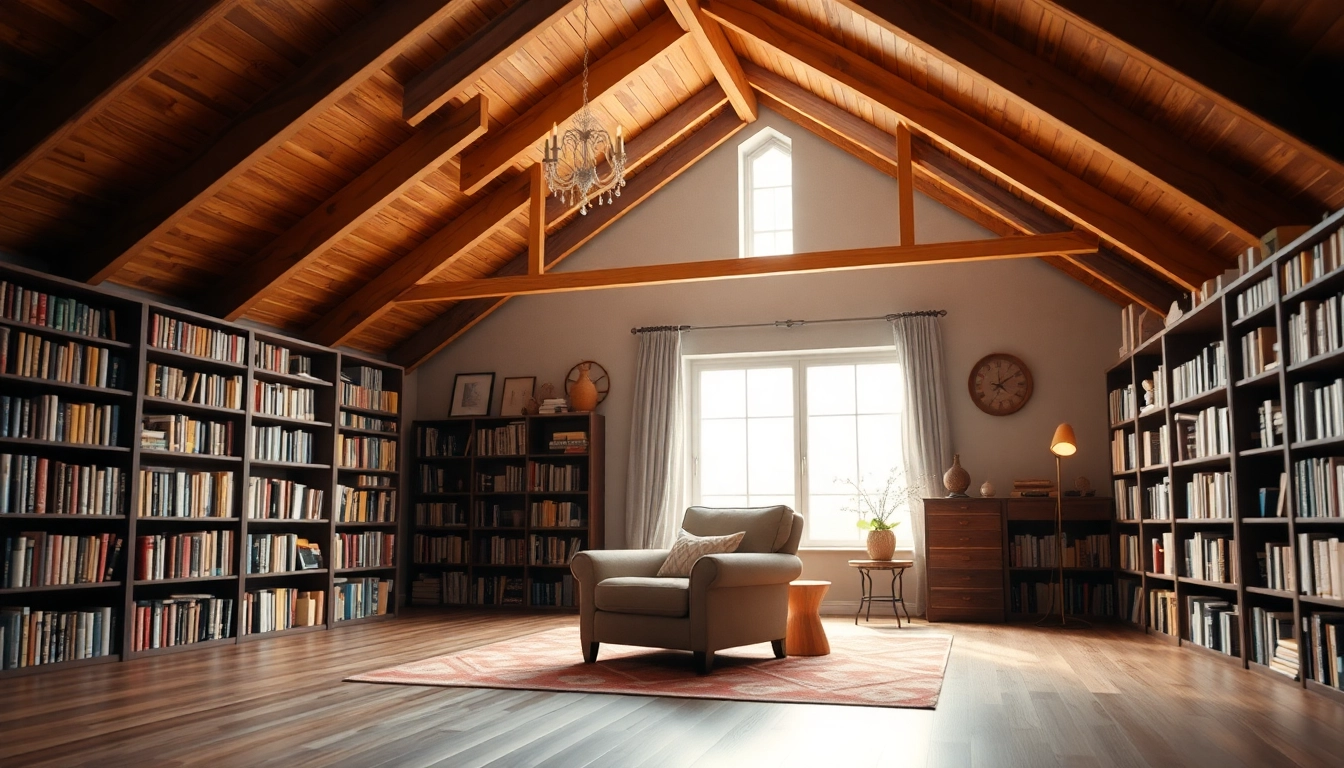
Attics are often an underutilized space in many homes, typically found beneath the roof and above the living areas. They can take several forms, from unfinished storage areas to fully developed rooms that serve various functions. The design and layout of attics can vary significantly depending on the home's architecture and the original intentions for that space. Understanding the nuances of attics is crucial for any homeowner looking to maximize their home’s potential. For more insights on attics, it's essential to consider both their design and utility.
Benefits of Utilizing Attics
Utilizing your attic space brings numerous benefits. First and foremost, it allows for increased square footage in your home without the need for costly extensions. This additional space can serve various purposes, such as a home office, guest room, or creative studio, enhancing your home's functionality. Furthermore, renovating an attic can augment the home's overall market value, making it a worthwhile investment.
Additionally, transforming an attic can reduce clutter in other parts of the home, allowing for better organization and management of belongings. By creating designated areas for storage or functional use, homeowners can enjoy a tidier and more efficient living environment.
Common Attic Uses
There are several common uses for attics, each tailored to meet individual family needs. Some of the most popular transformations include:
- Home Office: With the rise of remote work, many are turning attics into private office spaces, complete with necessary technology and comfortable furnishings.
- Guest Room: An attic can be converted into a cozy guest room, providing visitors with a private space to stay, often equipped with a few home-like amenities.
- Creative Studio: Artists and hobbyists can benefit from the natural light often found in attics, using the space as a studio for painting, crafting, or music.
- Playroom: For families, attics can be transformed into imaginative play spaces for children, separate from the main living areas.
- Storage Space: Even if not fully renovated, attics can serve as excellent storage spaces for seasonal items, keepsakes, and other belongings that don’t need to be accessed regularly.
Design Ideas for Attics
Insulating Your Attic Space
Insulation is a critical factor when renovating an attic. Proper insulation maintains temperature control, making the space comfortable year-round. Homeowners should consider different insulation materials, such as fiberglass, foam boards, or spray foam, each with its benefits and drawbacks.
Additionally, ventilation is vital for preventing moisture buildup, which can lead to mold growth. Installing venting systems can promote airflow and ensure that your attic remains a healthy space.
Functional Furniture Choices
Choosing the right furniture for an attic requires consideration of space limitations and functionality. Multi-purpose furniture, such as foldable desks or sofa beds, can optimize the limited space without sacrificing style. Low-profile furniture can help avoid overwhelming the room, while clever storage solutions, including built-in shelves and under-bed drawers, can keep the attic organized.
Decor Tips for Attic Spaces
When it comes to decor, attics present unique challenges and opportunities. The sloped ceilings often found in attics can be incorporated into the design by using them as a feature rather than a hindrance. Soft lighting, warm colors, and cozy textiles can help create an inviting atmosphere. Mirrors can also be strategically placed to enhance light and provide the illusion of more space.
Renovation Considerations for Attics
Assessing Structural Integrity
Before starting any renovation project, assessing the structural integrity of the attic is essential. Homeowners should inspect beams, rafters, and joists to ensure they can support the new load of furniture and occupants. Engaging a structural engineer can help diagnose any potential issues early in the planning stage.
Permits and Building Regulations
Renovating an attic often requires navigating local building codes and obtaining the necessary permits. Every city or county may have different regulations, particularly regarding safety standards, ventilation, and electrical installations. Check with local authorities before beginning any construction work to ensure compliance and avoid costly fines or delays.
Hiring the Right Professionals
Finding the right team for your attic renovation project can significantly affect the outcome. Look for professionals with experience in attic conversions, including architects, builders, and interior designers. Taking the time to research and vet these professionals will ensure that your project runs smoothly and meets your vision.
Seasonal Maintenance for Attics
Common Issues to Watch Out For
Regular maintenance is crucial for keeping your attic in good condition. Homeowners should be vigilant about signs of water damage, mold, or pests. Checking insulation, ventilation, and ensuring there are no leaks can prevent larger issues from developing. Scheduling inspections annually can catch these problems before they escalate.
Cleaning and Organizing Tips
Keeping an attic organized can be a challenge, especially if used for storage. Implementing a systematic approach can help. Labeling boxes, using shelves for easy visibility, and regularly purging unnecessary items are effective strategies for maintaining an orderly attic.
Preparing for Different Seasons
Seasonal changes can impact your attic's condition and utility. Before winter, check insulation for drafts, and ensure that heating elements are functioning properly. In summer, assess ventilation systems to keep the space cool. Taking seasonal precautions ensures a comfortable and safe environment throughout the year.
Frequently Asked Questions About Attics
What can I use my attic for?
Attics serve various purposes such as home offices, guest rooms, storage spaces, creative studios, and play areas, enhancing home functionality and aesthetics.
How do I improve insulation in my attic?
Improve attic insulation by selecting materials like fiberglass, foam boards, or spray foam and ensuring proper ventilation to maintain a comfortable temperature.
Are there specific building codes for attics?
Yes, building codes vary by locality. Always check local regulations regarding safety standards, insulation, and electrical work before renovating your attic.
What furniture is best for small attics?
Multi-functional and low-profile furniture suits small attics best, maximizing space efficiency while providing comfort and functionality without feeling cramped.
How often should I clean my attic?
It's advisable to clean your attic at least once a year, checking for pests, moisture, and organizing stored items to maintain a healthy and usable space.