
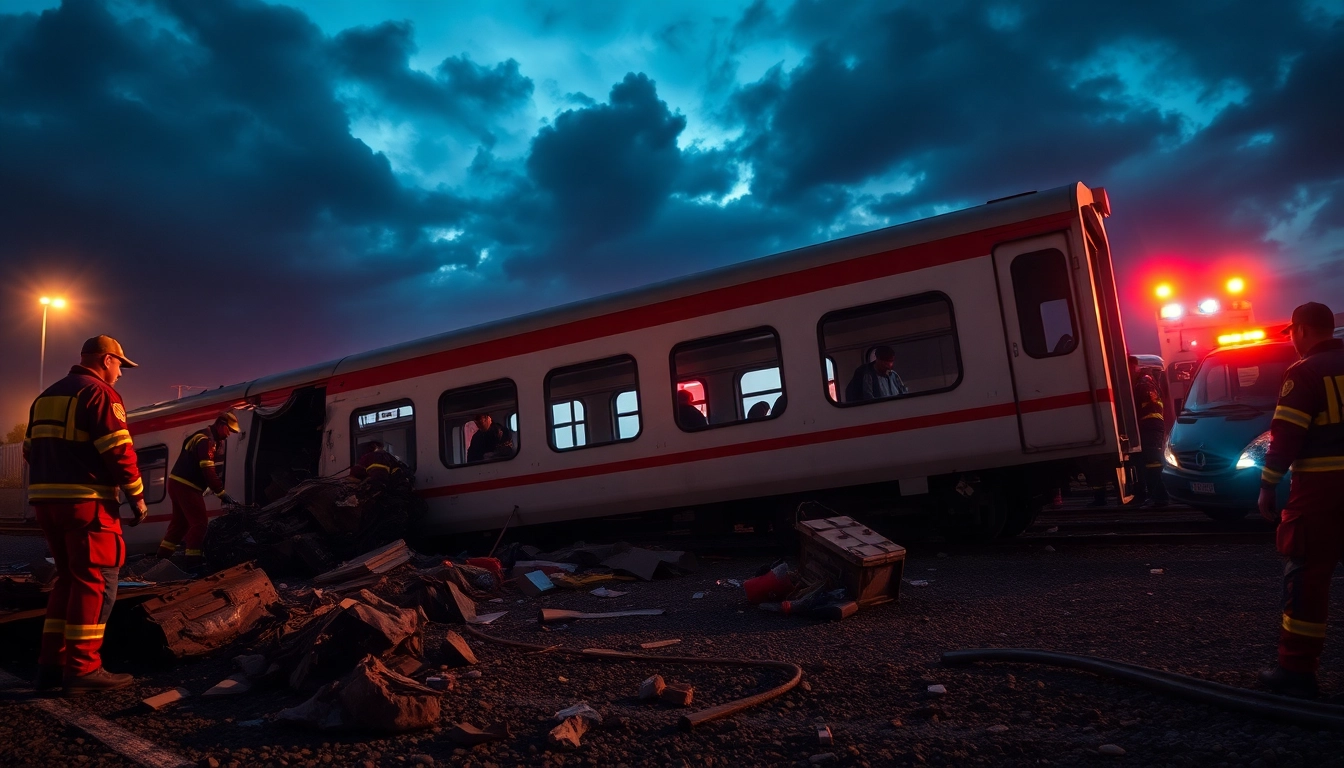
Overview of the Spain Train Crash
The spain train crash refers to a catastrophic event that has deeply affected the nation, drawing attention to the critical issues surrounding rail transportation safety. Understanding the timeline of the incident, the locations involved, and the initial responses provides a clear context in which this tragic event unfolded, shaping public perception and influencing future regulatory measures.
Timeline of Events
The timeline of the Spain train crash highlights crucial moments, from the days leading up to the accident to the immediate aftermath. It began with the regular train operations, punctuated by an unexpected onset of circumstances that led to the tragic event. The first indication of trouble arose when crew members noted an unusual noise from the engine. Subsequently, the situation escalated rapidly, leading to a major collision. Emergency services were deployed almost immediately, but the timeline unfolds further as we explore each significant moment, showcasing how the event was experienced on the ground.
Key Locations Involved
Identifying the key locations involved in the crash is essential for understanding its impact. The primary station, where the train departed, became a focal point for the investigation. The route taken, notorious for its picturesque yet challenging terrain, was another critical area of scrutiny. Investigators analyzed track conditions, signaling systems, and surrounding infrastructures to determine the broader implications of the crash site. Each location tells a part of the story and illustrates the complexities of managing modern rail systems.
Initial Responses to the Crash
In the wake of the train crash, initial responses from authorities were rapid and organized. Emergency responders arrived swiftly to provide medical assistance and assess the situation. Local hospitals were put on high alert to ensure they were prepared for an influx of casualties. Additionally, government officials made public statements, promising a thorough investigation while expressing condolences to the victims' families. This initial response set the tone for subsequent actions, underscoring the urgency to address the aftermath thoughtfully.
Causes Behind the Spain Train Crash
Diving into the causes behind the Spain train crash requires a multifaceted examination of various contributing factors. Understanding these elements is crucial for preventing similar incidents in the future.
Human Factors Contributing to the Incident
Human error is often cited as a leading cause in transportation accidents, and the Spain train crash was no exception. Factors such as crew fatigue, miscommunication, and insufficient training played significant roles. Investigators scrutinized crew schedules to determine whether fatigue could impair decision-making capabilities. Additionally, testimony from witnesses highlighted communication gaps that may have exacerbated the situation, emphasizing the need for continuous training and support in high-stakes environments.
Structural and Environmental Influences
The structural integrity of rail infrastructure is a fundamental concern, and this incident brought to light potential vulnerabilities. Track conditions, including wear and tear, were examined thoroughly. Additionally, environmental influences such as weather patterns could not be overlooked. Data regarding adverse weather conditions at the time of the crash was collected to assess whether these factors contributed to the incident. This analysis underscores the intersection of human operations and environmental challenges in transportation safety.
Technical Failures and Safety Protocols
Technical failures can lead to catastrophic outcomes, and this crash was influenced by several aspects of the train's safety protocols. Investigations revealed lapses in adherence to maintenance schedules, raising questions about the robustness of safety measures. Furthermore, technical systems such as signaling and braking mechanisms were evaluated to identify potential failure points. Improving these systems necessitates a reevaluation of existing protocols, ensuring they adapt to the evolving landscape of railway technology.
Emergency Response and Aftermath
The emergency response to the Spain train crash illustrates the importance of preparedness and coordination among various agencies. Evaluating the effectiveness of these measures offers valuable lessons for future emergencies.
On-site Emergency Measures
On-site emergency measures included the rapid deployment of rescue services, the establishment of triage stations, and coordination with local hospitals. These measures were crucial in minimizing the impact on survivors and ensuring a swift response. Documentation of these efforts provided insights into what worked well and what could be improved. Furthermore, analysis of scene management during the crisis can guide future emergency protocols, enhancing efficiency during such incidents.
Long-term Effects on the Community
The aftermath of the crash reverberated through the community, impacting residents on multiple levels. From psychological distress among survivors and families to economic repercussions on local businesses, the effects were wide-ranging. Community support programs were initiated to address the psychological needs, but long-term investment in mental health resources remains essential. This incident serves as a wake-up call about the need for organized community response systems that can effectively address both immediate and extended fallout.
Legislation Changes and Safety Improvements
In response to the tragedy, lawmakers took significant steps to enhance rail safety regulations. Changes included stricter enforcement of maintenance schedules, increased fines for safety violations, and the implementation of advanced technology in train operations. These legislative measures aim to create a safer rail environment, fostering public trust. Evaluating the impact of these changes over time will be crucial in assessing their effectiveness in preventing future incidents.
Lessons Learned from the Spain Train Crash
The lessons learned from the Spain train crash extend beyond the immediate tragedy, providing insight into broader implications for transportation safety at large.
Importance of Regular Safety Audits
Regular safety audits emerged as a critical aspect in preventing the occurrence of rail accidents. These audits should encompass technical, structural, and human factors ensuring a holistic approach to safety. By establishing a culture of accountability and diligence, railway operators can foster a proactive safety culture instead of a reactive response only after incidents occur. Sharing best practices across the industry can enhance understanding and expertise in performing these audits effectively.
Enhancing Public Awareness and Training
Public awareness plays a vital role in transportation safety, and the Spain train crash underscored the necessity of education regarding rail travel protocols and safety measures. Enhanced training programs for both employees and the public can significantly reduce risks associated with human error. Community-centered initiatives that include simulations and educational campaigns can empower individuals to recognize risks and respond appropriately, ultimately promoting safer travel experiences.
Implementing New Technologies for Safety
Technological advancements offer exciting possibilities for improving rail safety. Implementing new technologies such as predictive maintenance systems, real-time monitoring, and improved signaling can preemptively address vulnerabilities. Emphasizing investment in emerging technologies can drive innovation within the rail industry, ensuring that safety measures not only keep pace with infrastructure demands but also set new benchmarks for excellence.
Frequently Asked Questions about the Spain Train Crash
What were the main causes of the Spain train crash?
The main causes included human error, technical failures, and environmental factors contributing to the tragedy. Understanding these elements is vital for improving safety.
How did the emergency services respond to the crash?
Emergency services responded swiftly with medical assistance, triage stations, and coordination with hospitals to manage the crisis effectively.
What changes have been made in train safety regulations?
Changes include stricter maintenance enforcement, advanced technology implementation, and increased penalties for safety violations aimed at enhancing rail safety.
How did the community rally after the disaster?
The community came together to provide psychological support and aid to victims’ families, showcasing resilience and solidarity in the aftermath.
What can be done to prevent future train crashes in Spain?
Preventative measures include regular safety audits, public awareness training, and the implementation of new technologies and infrastructure improvements.