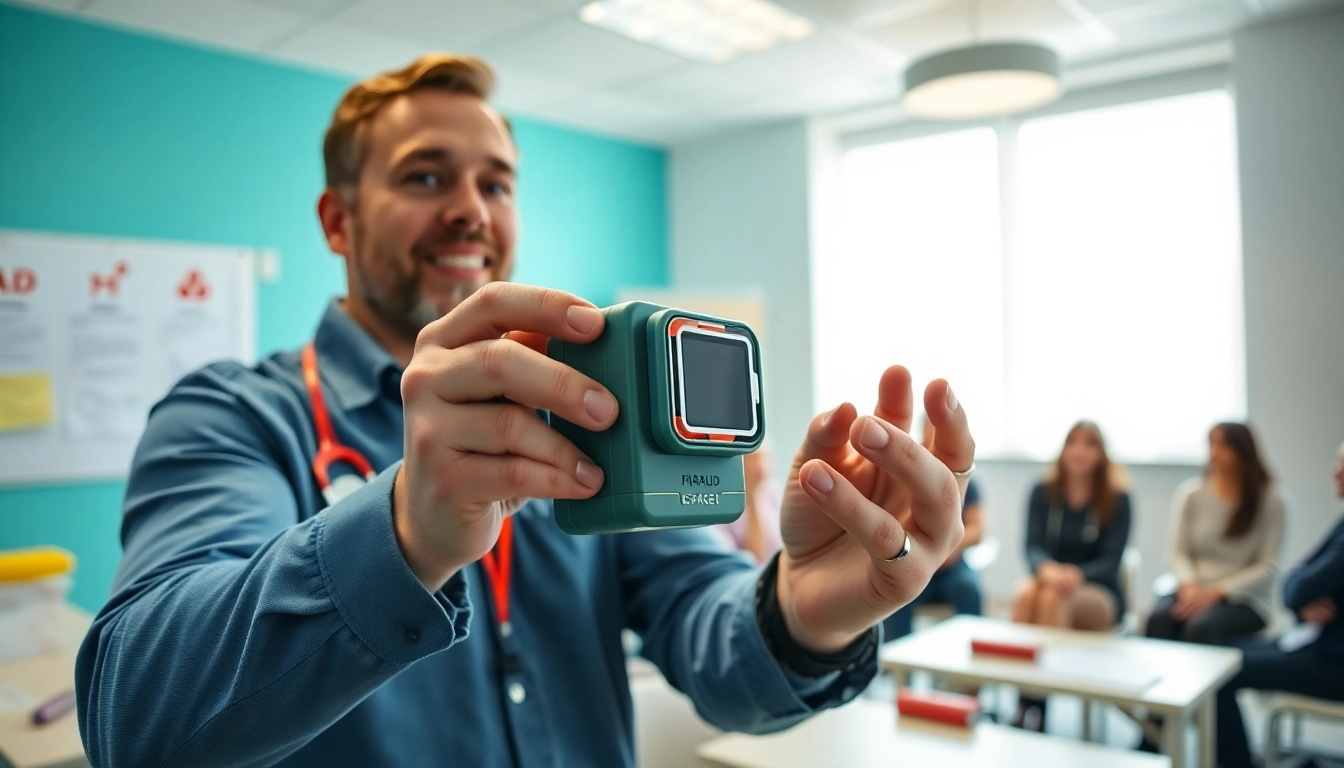
In emergency situations, especially when it comes to choking, having the right tools and knowledge can mean the difference between life and death. Choking incidents can occur unexpectedly, making it crucial for both individuals and caregivers to be equipped with the proper techniques and devices for choking rescue. A choking rescue device is an essential tool that aids in dislodging food or objects stuck in the airway, and this guide will delve into understanding, selecting, utilizing, and evaluating these devices effectively.
Understanding Choking Rescue Devices
What is a Choking Rescue Device?
A choking rescue device is a specialized tool designed to assist in clearing the airway of an individual experiencing choking. These devices operate by applying pressure or suction to forcefully expel the obstruction from a person's throat. Commonly utilized in both domestic and clinical settings, choking rescue devices come in various designs suited for different environments and situations.
Types of Choking Rescue Devices
Choking rescue devices can be broadly categorized into manual and automated devices:
- Manual Devices: These include items such as the Heimlich maneuver guides or abdominal thrust simulators. They often require a person to be trained to use the device effectively.
- Automated Devices: These are more advanced and typically used in healthcare settings. They include mechanical suction devices designed to quickly clear airways without the need for manual intervention.
Importance of Choking Rescue Devices in Emergency Situations
The importance of choking rescue devices cannot be overstated: they provide a fast, effective way to respond to choking emergencies where every second counts. In an emergency, individuals may not have the time or knowledge to perform traditional methods of dislodging obstructions. Choking rescue devices can be lifesaving, enhancing the immediate care that responders can provide while professional medical assistance is on the way.
Selecting the Right Choking Rescue Device
Factors to Consider When Choosing a Device
When selecting a choking rescue device, several critical factors must be evaluated:
- Type of Environment: Consider whether the device will be used in a home, school, or healthcare setting.
- Ease of Use: The device should be easy to understand and use, especially for individuals without medical training.
- Size and Portability: Portable devices are crucial for accessibility. They should be lightweight and easy to store in emergency kits or first aid boxes.
- Cost: Ensure that the cost of the device fits within the budget while still providing the necessary features and quality.
Comparative Analysis of Available Devices
Here is a comparative analysis of some popular choking rescue devices:
- LifeVac: A non-invasive suction device that is portable and designed for adults and children. It has received praise for its effectiveness in removing obstructions.
- Dechoker: This device utilizes a patented mechanism that applies controlled suction to pull the obstruction free. It's designed for use on both children and adults and has been shown in studies to be effective in real-life situations.
- Heimlich Maneuver Training Kits: While these aren't devices per se, they are vital tools for teaching individuals how to perform the Heimlich maneuver manually.
Regulatory Standards and Certifications
Before purchasing any choking rescue device, it's essential to verify its compliance with regional and international safety standards. Some important certifications to look for include:
- FDA Approval: Many medical devices, including choking rescue devices, must be approved by the Food and Drug Administration.
- CE Mark: This indicates compliance with European health, safety, and environmental protection standards.
How to Use Choking Rescue Devices Effectively
Step-by-Step Instructions for Using These Devices
Although each choking rescue device may have its specific instructions, the general usage steps are as follows:
- Assess the situation to confirm that the person is choking and unable to breathe, speak, or cough.
- Retrieve the choking rescue device from its storage location.
- Follow the manufacturer's instructions to position the device correctly against the individual's mouth or abdomen.
- Activate the device as per its operational guidelines, being prepared to repeat the process if the obstruction is not cleared.
- Continue monitoring the individual's condition until emergency medical personnel arrive.
Common Mistakes to Avoid
When using choking rescue devices, it's crucial to avoid several common mistakes:
- Using the device without proper training or knowledge of its functionality.
- Failing to assess the choking situation correctly, which could lead to improper use of the device.
- Neglecting to follow up with emergency services, even if the obstruction appears to have been removed.
Special Considerations for Different Age Groups
Different age groups require specific considerations when using choking rescue devices.
- Infants: Infants under one year old may require specialized devices designed for their smaller size and unique respiratory anatomy. Manual techniques should often be prioritized.
- Children: Devices should be designed for their particular age groups, keeping in mind weight and size for maximized safety.
- Adults and Elderly: Ensure that adult devices accommodate various physical conditions that may complicate choking, such as reduced mobility.
Training and Certification for Choking Rescue Devices
Importance of Proper Training
Proper training in using choking rescue devices enhances the effectiveness of response during emergencies. Individuals trained in the proper use of these devices are more likely to act calmly and effectively in urgent situations, leading to better outcomes for choking victims.
Available Training Programs and Resources
There are numerous organizations and platforms offering training programs for choking rescue techniques:
- American Red Cross: Provides comprehensive training programs covering first aid and choking emergencies, including the use of choking rescue devices.
- Local Community Centers: Often offer workshops and training sessions led by certified instructors.
- Online Courses: Various platforms offer video tutorials and courses on first aid and choking emergency responses.
How Certification Enhances Safety Preparedness
Obtaining certification from recognized organizations provides not only knowledge but also increases confidence in using choking rescue devices. This certification reassures emergency responders and the general public of an individual’s capability to assist effectively during choking incidents.
Evaluating the Effectiveness of Choking Rescue Devices
Metrics for Assessing Performance
The effectiveness of choking rescue devices can be evaluated through several metrics:
- Success Rate: The proportion of successful dislodging events during training exercises.
- Response Time: The time taken to implement the device and clear the obstruction.
- User Feedback: Gathering qualitative data from individuals who have used the devices in real-life situations to assess ease of use and confidence levels.
Real-Life Case Studies
Exploring real-life case studies can provide insight into how choking rescue devices function under pressure:
One notable case involved a 5-year-old child who began choking during a family dinner. The child's parent quickly utilized a LifeVac device, which successfully cleared the obstruction within moments, preventing what could have escalated into a tragic scenario. In clinical settings, studies have reported high effectiveness rates for devices like the Dechoker, showcasing their role in saving lives.
Future Innovations in Choking Rescue Device Technology
Looking ahead, advancements in choking rescue device technology are promising. Future innovations may include:
- Smart Devices: Integration of technology for real-time monitoring and alerts when choking occurs.
- Design Improvements: Ongoing research into ergonomics to produce devices that can be used more intuitively by individuals without medical training.
- Mobile Applications: Developing applications that guide users step-by-step through the process of using choking rescue devices in emergencies.
The question of safety during choking emergencies highlights the importance of understanding and correctly implementing choking rescue devices.