Understanding Ceramic Window Tint
What is Ceramic Window Tint?
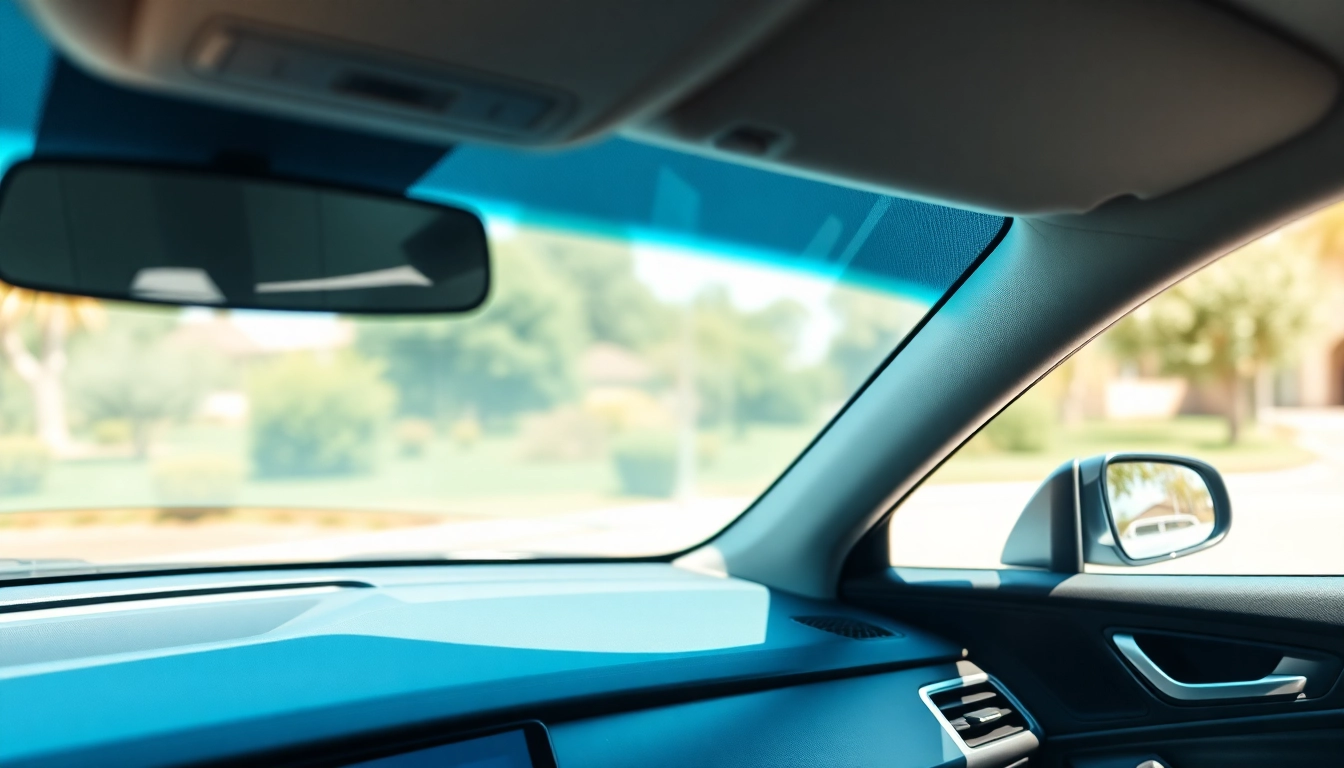
Ceramic window tint is a specialized film commonly used in automotive and residential window applications, designed to enhance privacy, reduce glare, and improve energy efficiency. Unlike traditional tints, ceramic window tint employs advanced technology that utilizes ceramic particles, providing superior heat rejection without impairing visibility. These films are unapologetically clear and can block up to 99% of harmful UV rays, an essential feature for maintaining skin health. Ceramic window tint is increasingly favored by individuals looking for both aesthetic and functional enhancements to their vehicles or homes.
Benefits of Ceramic Window Tint
The advantages of ceramic window tint extend beyond mere aesthetics. One significant benefit is the exceptional heat rejection capability, which minimizes the internal temperature of your vehicle, ensuring a more comfortable driving experience, especially during hot summer months. Additionally, because ceramic window tint is non-metallic, it does not interfere with electronic signals, such as GPS and mobile devices, which can be a concern with other metallic films.
Moreover, the longevity of ceramic window tint is remarkable. Unlike cheaper alternatives, ceramic films are designed to be scratch-resistant and maintain their appearance over time, ensuring that investment remains visually appealing. Another compelling benefit is the UV protection these films offer; with consistent exposure to sunlight, these tints play a pivotal role in safeguarding your skin and your vehicle’s interior from fading and cracking.
How Ceramic Window Tint Compares to Other Types
When choosing window tints, it is crucial to understand how ceramic window tint stands in comparison to other varieties, such as dyed, metalized, and hybrid tints. Dyed window tints are the most affordable but offer lesser heat rejection and durability. They fade over time and can impact visibility due to color degradation.
Metalized tints provide decent heat rejection but come with several downsides, such as signal interference and potential peeling. Hybrid tints combine some qualities of dyed and metalized films, yet they cannot compete with the performance and durability that ceramic window tints offer. In essence, ceramic window tint stands out as the top option for those seeking maximum performance and longevity.
Installation Process of Ceramic Window Tint
Preparation Steps for Tinting
Installing ceramic window tint requires thorough preparation to ensure effective application. First, you need to select the right film based on your goals and local regulations. Next, clean your windows meticulously to remove dirt, dust, and any residue – a crucial step for attaining a smooth finish. For regular window applications, using a glass cleaning solution is advisable, while ensuring the glass is completely dry before proceeding with the tinting process.
It’s essential to work in a dust-free environment to prevent debris from adhering to the tint during installation. If you're installing on a vehicle, ensure your vehicle interior is secured and the windows are fully rolled down to allow for complete access for installation.
Professional vs. DIY Installation
While some individuals may opt for a DIY approach to ceramic window tint installation, the reality is that professional installation often yields more reliable results. Professionals possess the expertise to ensure the film is applied smoothly without air bubbles or imperfections. Moreover, they have access to advanced tools and techniques that can enhance the quality and durability of the tint.
For the DIY enthusiast, several online resources are available, but it requires a significant amount of time and patience, and mistakes can lead to costly corrections. If cost is a major concern, weighing the potential benefits of professional installation against DIY methods is advisable.
Tools Required for Installation
If you decide to install the ceramic window tint yourself, several tools will be necessary for a successful installation. Key tools include:
- Utility knife or razor blade for precision cutting
- Spray bottle filled with soapy water for application
- Squeegee to smooth out the film
- Measuring tape to ensure correct film dimensions
- Lint-free cloths to prevent scratches on glass and ensure surfaces are free of debris
Having these tools on hand can streamline the installation process and improve the final results.
Maintaining Ceramic Window Tint
Cleaning Tips for Longevity
Maintaining your ceramic window tint is essential to ensure its longevity and performance. It is recommended to wait at least 30 days after installation before cleaning to allow the adhesive to cure properly. Once set, use a gentle glass cleaner with a soft cloth to avoid scratching the film. Avoid ammonia-based cleaners, as they can damage the tint over time.
Additionally, regular dusting and lightly cleaning with plain water can keep the surfaces looking new. For stubborn stains, create a mix of mild detergent and water to gently scrub the area without harming the tint.
Avoiding Common Mistakes
Many common mistakes can jeopardize the integrity of the ceramic window tint. One frequent error is using abrasive cleaning tools, which can scratch and damage the film. Another mistake is neglecting to follow the recommended curing period before cleaning or rolling down windows. Furthermore, parking in direct sunlight for prolonged periods during the optimal curing phase can lead to bubble formation and untimely deterioration of the tint.
Being mindful of these practices can significantly increase your ceramic window tint’s lifespan and performance.
Signs of Degrading Tint
Understanding the signs of degrading ceramic window tint can help you address issues before they worsen. Common symptoms include bubbling, peeling, or discoloration of the film. If the tint appears cloudy or displays any streaks, it may indicate that moisture has penetrated between the film and the glass, a signal that professional intervention is necessary.
A timely assessment and repair can prevent more extensive damage, ensuring you continue to enjoy the benefits of your ceramic window tint.
Legal Considerations of Window Tinting
Understanding Local Regulations
Window tinting laws vary widely based on your geographic location. Before installing ceramic window tint, it is critical to familiarize yourself with local regulations governing permissible tint percentages and reflective properties. Many regions have specific laws related to the allowable darkness of window tint on both the front and rear windows, which can affect your vehicle's compliance status.
Failure to adhere to local regulations can result in fines and potentially void any warranty you might have on your vehicle. Therefore, thorough research into local laws is essential before making decisions about window tinting.
Permitted Tinting Levels
Permitted tinting levels differ significantly from state to state. Typically, states will categorize tint based on front windshield transmittance, allowing for higher percentages of tint on rear windows. Some states may permit a tint percentage of 35% for the front, while others may require a clear standard. Be sure to consult your town or state regulations to confirm the allowable limits for your vehicle.
Understanding these permitted levels can ensure compliance and increase your awareness of the available options for installing ceramic window tint.
Consequences of Non-compliance
Failure to comply with local tinting regulations can lead to severe consequences, from monetary fines to potential vehicle inspections. If found non-compliant, you may be required to remove the tint, which can lead to added expenses and dissatisfaction with the vehicle's aesthetic. In extreme cases, repeat violations can lead to further penalties, such as points against your driving record.
Ultimately, ensuring you remain compliant with local laws is advantageous for your peace of mind, allowing you to enjoy your ceramic window tint without the looming threat of legal repercussions.
Cost Considerations for Ceramic Window Tint
Factors Affecting Tinting Prices
The cost of ceramic window tint installation varies based on several factors, including the size of the vehicle, the type of ceramic film chosen, and the expertise of the installer. Larger vehicles like SUVs typically incur higher costs due to the increased material and labor involved. Moreover, the quality of the ceramic film plays a significant role in overall pricing; premium options may come at a higher price but offer superior performance and longevity.
Lastly, factors such as location and the installation company’s reputation can also influence the price. It's always beneficial to secure multiple quotes before finalizing a decision.
Comparing Costs: Professional vs. DIY
When weighing professional installation against a DIY approach, the cost is a primary consideration. Professional installations typically cost more due to labor fees and guarantees of quality work. However, they can save you time and potential rework due to improper installation.
Conversely, while DIY installation may seem economical, the hidden costs of poor execution could outweigh initial savings if you face problems down the road. It is wise to factor in the long-term value of each option before making a decision.
Long-term Value of Ceramic Window Tint
Investing in ceramic window tint can deliver considerable long-term value. Aside from the undeniable aesthetic appeal, the film's heat rejection and UV protection can lead to lower energy costs and prolonged vehicle resale value. Long-term exposure to sun damage can degrade a vehicle's interior; ceramic film mitigates these effects, thereby safeguarding your investment.
Therefore, although the initial costs may be higher than traditional alternatives, the benefits extended through energy savings and preservation of your vehicle's integrity create a persuasive argument for opting for ceramic window tint.
Frequently Asked Questions
How long does ceramic window tint last?
Ceramic window tint typically lasts between 10 to 15 years, depending on installation quality and maintenance.
Can ceramic window tint be removed?
Yes, ceramic window tint can be removed safely by professionals using specialized tools and techniques without damaging the glass.
Will ceramic window tint affect my visibility?
No, ceramic window tint is designed for superior clarity, enhancing privacy without significantly affecting visibility.
Is professional installation worth the cost?
Yes, hiring professionals ensures a flawless application, reducing the likelihood of issues and prolonging the tint's lifespan.
Can I wash my car after getting window tint?
It's advisable to wait at least 30 days before washing your car to let the tint fully cure without damage from moisture.