Understanding Glass Shower Enclosure Types
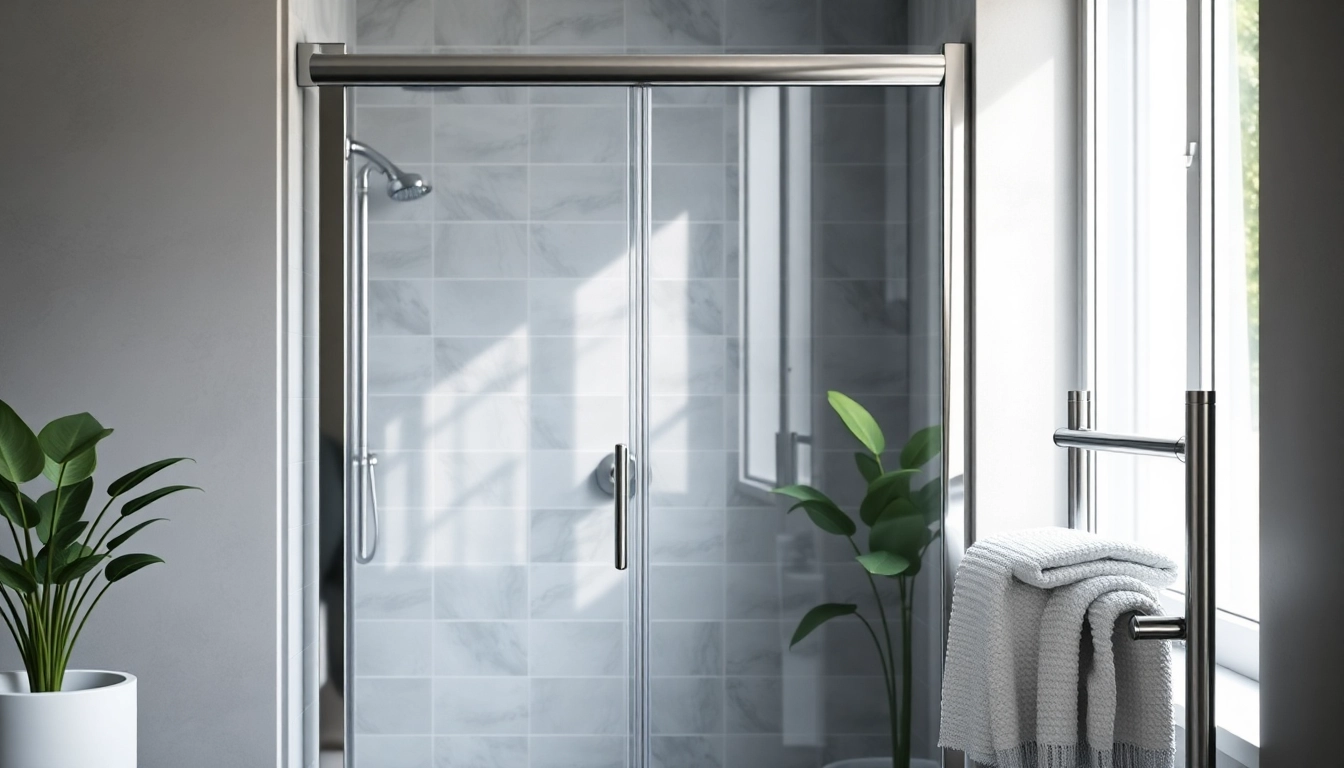
In recent years, glass shower enclosures have become increasingly popular as homeowners and designers alike strive to create elegant and functional bathrooms. A glass shower enclosure elevates a bathroom's aesthetic appeal while providing practical solutions. This section will explore the different types of glass shower enclosures to help you make an informed choice.
Frameless vs. Framed Glass Shower Enclosure
The choice between frameless and framed glass shower enclosures is often central to homeowners' decisions. Frameless enclosures utilize thicker glass and are supported by brackets rather than a frame, which lends a modern and open feel to the space. This design minimizes visual obstructions, making the shower area feel larger while also being easier to clean as there are fewer joints where grime can accumulate.
On the other hand, framed enclosures come with a metal frame that not only supports the glass panels but also increases durability. They are generally more affordable than their frameless counterparts, making them accessible for budget-conscious homeowners. However, they may require slightly more maintenance to keep the framed areas free of mineral buildup and soap scum.
Types of Doors and Access
Glass shower enclosures come with several door options that affect functionality and style. Common door types include:
- Hinged Doors: These doors swing outward, providing ample access to the shower space. They require sufficient wall space to operate effectively.
- Sliding Doors: Ideal for smaller bathrooms, sliding doors glide along a track to open up the space without requiring additional clearance.
- Bi-Fold Doors: These doors fold in on themselves, making them suitable for tight areas where a traditional door swing would be impractical.
Understanding the pros and cons of each type of access will help guide your selection based on the available space and user convenience.
Design Variations and Customization
The aesthetic possibilities presented by glass shower enclosures are significant. Homeowners can choose from various designs, including:
- Clear Glass: Offers the most openness and brightness, allowing light to flow freely.
- Frosted Glass: Provides privacy while maintaining a modern appearance. It's an excellent option for shared bathrooms.
- Textured Glass: Adds artistic flair and can also obscure visibility while keeping light transmission.
Customizable hardware finishes, such as chrome, bronze, or matte black, enable homeowners to personalize their enclosures to suit their overall decor and style preferences. This bespoke approach ensures that every installation feels unique and cohesive with the rest of the bathroom design.
Key Benefits of Installing a Glass Shower Enclosure
Investing in a glass shower enclosure provides numerous benefits beyond aesthetics. Here are some key factors to consider:
Aesthetics: Elevate Your Bathroom's Décor
A glass shower enclosure serves as a centerpiece in any bathroom. Its transparent nature creates a visually expansive atmosphere, making even small spaces feel more open. When combined with modern fixtures and thoughtful lighting, a glass shower enclosure can transform a mundane bathroom into a luxurious retreat that you'll love using.
Practical Advantages: Space and Accessibility
In terms of practicality, glass enclosures simplify maintenance and cleaning. Unlike traditional shower curtains that can harbor mildew and soap scum, glass can be quickly wiped down after use with minimal effort. Additionally, glass enclosures are often constructed from durable materials that keep their appearance over time, thus reducing the need for replacements.
Durability and Maintenance
Modern glass shower enclosures are made from tempered glass, which significantly increases their strength and durability compared to regular glass. This means they can withstand impacts and temperature changes better while being resistant to common bathroom wear and tear. Maintenance is straightforward, usually requiring nothing more than regular cleaning with glass-cleaning solutions to keep them sparkling.
Factors Influencing the Cost of a Glass Shower Enclosure
Understanding the costs associated with installing a glass shower enclosure is crucial for budgeting. Several factors can influence the overall price:
Material Choices and Their Effect on Budget
The type of glass, thickness, and treatment will significantly impact the cost. Standard 1/4” tempered glass is typically less expensive than 3/8” or 1/2” glass options, which offer superior durability and aesthetics. Additionally, specialty glass treatments, such as water-repellent coatings, can enhance performance but at an increased cost.
Additional Features and Options
Many homeowners choose to incorporate additional features like built-in shelving, grab bars, or unique handle designs, all of which can contribute to the final price. Customized designs that do not follow standard sizes or shapes may also result in higher costs due to the increased complexity of installation.
Labor Costs and Installation Considerations
Labor costs will vary depending on the complexity of the installation and the region. It's advisable to get quotes from multiple professionals who specialize in shower enclosure installations. Choosing an experienced installer can help ensure that the enclosure is fitted correctly, maximizing durability and minimizing potential leaks or other issues later on.
Installation Process of Glass Shower Enclosures
Installing a glass shower enclosure requires careful planning and execution. Here’s a breakdown of the installation process:
Preparing Your Bathroom for Installation
Before installation begins, it’s essential to prepare the bathroom. Clear the area of any existing fixtures, decor, and furniture to provide easy access for the installers. Ensure that the space is clean and dry, as the installation may involve water or adhesives.
Finding a Professional Installer
Research and select a reliable professional with experience in installing glass shower enclosures. Reading online reviews and asking for recommendations can help find a trustworthy contractor. Once you’ve identified candidates, request estimates and ask questions about their experience, warranties, and past projects.
Step-by-Step Installation Guide
The installation typically follows these steps:
- Measure the Space: Precise measurements will ensure the glass panels fit correctly.
- Install the Base: A solid base is crucial for support. The base must be level and waterproof.
- Mount the Wall Panels: Securely install the side panels according to the manufacturer's guidelines.
- Install Door Mechanisms: Attach the hinges or track system for seamless door function.
- Final Adjustments: Ensure all fittings are tight and the door seals properly to prevent leaks.
Once the installation is complete, inspect all seals and joints to prevent water damage.
Frequently Asked Questions (FAQs)
What is the average cost of a glass shower enclosure?
Costs can range from $600 for framed options to over $5,000 for high-end frameless enclosures. Factors include size, type, and customization.
How do I clean a glass shower enclosure effectively?
Use a glass cleaner or a vinegar-water mix to wipe down surfaces. Squeegee after every use to prevent water spots and soap scum build-up.
Can I install a glass shower enclosure myself?
While DIY is possible, professional installation is recommended for optimal results and to avoid potential leaks or structural issues.
What are common issues with glass shower enclosures?
Common issues include leaks, faulty hardware, and water stains. Regular cleaning and proper installation can minimize these problems.
How do I choose the right glass thickness for my enclosure?
For frameless options, 3/8” is standard, while 1/2” is ideal for larger enclosures. Thicker glass offers greater durability but increases cost.