Understanding Commercial Solar Panels
What Are Commercial Solar Panels?
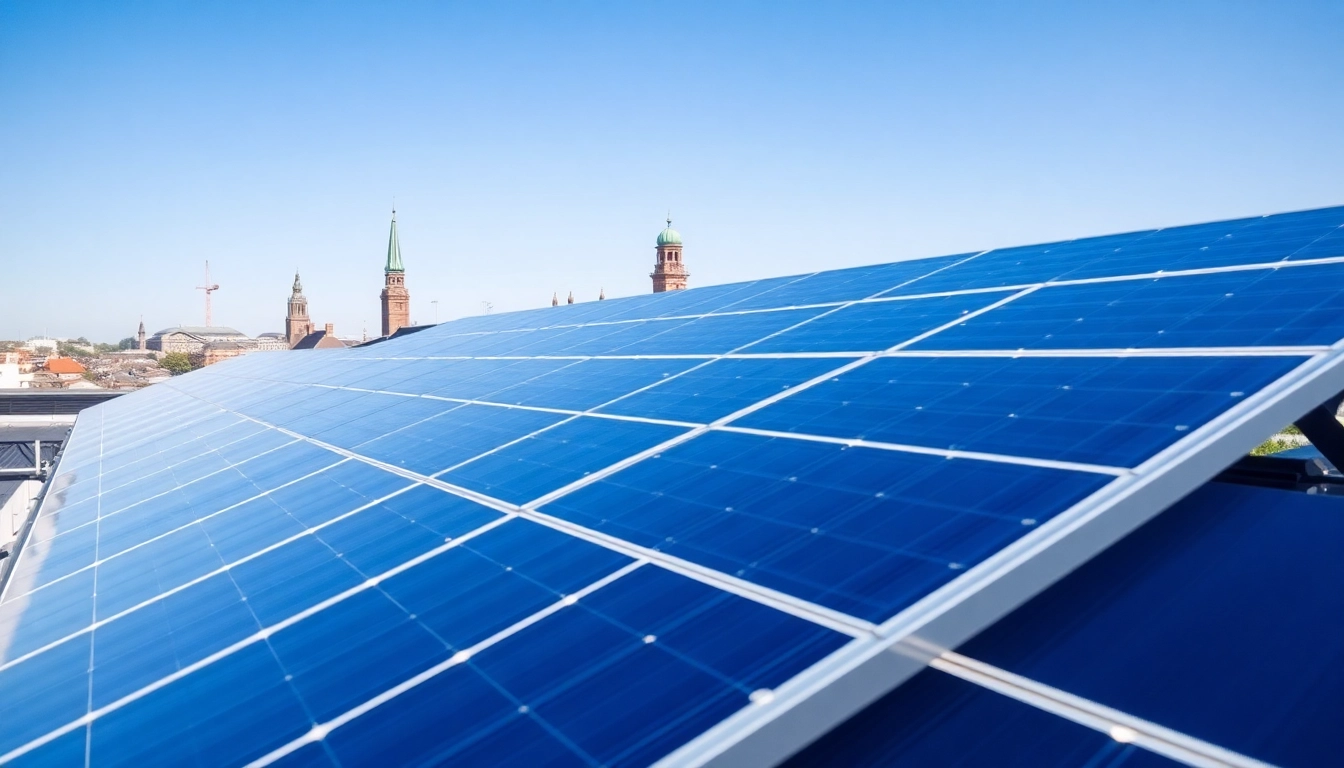
Commercial solar panels are photovoltaic (PV) systems designed to convert sunlight into electricity specifically for business operations. Distinct from residential solar systems, these installations tend to be larger, more powerful, and tailored to meet the unique energy demands of commercial spaces, including offices, factories, warehouses, and retail outlets. The primary purpose is to harness solar energy to offset electricity costs, thereby enhancing sustainability and profitability.
Benefits of Installing Solar Panels
Investing in commercial solar panels offers numerous benefits that extend beyond mere cost savings:
- Cost Savings: Companies can significantly lower their energy bills by utilizing self-generated electricity. This savings can be substantial, especially for energy-intensive operations.
- Tax Incentives: Many governments provide tax credits, grants, and rebates for businesses investing in renewable energy, making solar adoption more feasible.
- Environmental Impact: Solar energy reduces carbon footprints, aligning corporate strategies with global sustainability goals and enhancing brand reputation.
- Energy Independence: Businesses can shield themselves from fluctuating energy prices by relying on a stable, abundant renewable resource.
- Increased Property Value: Solar installations can increase property value and appeal to environmentally conscious investors or buyers.
Common Myths About Commercial Solar Energy
Despite the clear benefits of commercial solar panels, several myths persist, hindering adoption:
- Myth 1: Solar is too expensive. While the initial investment may be significant, the long-term savings and available incentives often make solar an economically sensible choice.
- Myth 2: Solar panels are inefficient. Technological advancements have greatly increased the efficiency of solar panels, making them a viable energy source even in less sunny climates.
- Myth 3: Solar systems require too much maintenance. Modern solar systems are durable and require minimal maintenance compared to their benefits.
Why Choose Solar Energy for Your Business?
Environmental Impact and Sustainability
One of the primary reasons businesses are transitioning to solar energy is the significant reduction in greenhouse gas emissions. Solar energy mitigates the reliance on fossil fuels, which is crucial in combating climate change. By integrating solar panels, businesses contribute to a cleaner environment while promoting their commitment to sustainability, which resonates well with consumers.
Financial Savings Through Solar Adoption
Financial considerations are often the main driver for the adoption of solar technology. The decreasing price of solar panels coupled with long-term utility savings means an excellent return on investment. On average, commercial solar installations can save businesses thousands of pounds annually, resulting in payback periods that can be as short as 3 to 7 years. In Nottingham, where sunlight may vary, advanced energy storage solutions additionally help maximize these savings by allowing businesses to utilize stored energy during peak hours.
Government Incentives and Grants
Businesses in the UK can benefit from numerous government incentives aimed at promoting renewable energy sources. These incentives may include:
- Feed-in Tariffs (FiTs): Payments received for the energy generated by solar panels.
- Renewable Heat Incentive (RHI): Financial support for generating renewable heat.
- Tax reliefs: Businesses may be eligible for capital allowances on solar panel installations.
Choosing the Right Installation Company in Nottingham
Key Qualities of a Reliable Installer
Selecting the right solar installer is crucial for a successful project. Look for the following qualities:
- Experience: The installer should have a proven track record of successful installations in commercial settings.
- Certifications: Ensure that they possess necessary certifications and licenses required in the UK.
- Customer Reviews: Previous client feedback can provide insight into the company's reliability and quality of service.
Comparing Local Options for Best Value
In Nottingham, there are multiple companies offering commercial solar panel installations. It's essential to compare their services, warranty offers, and pricing. Websites like Commercial solar panels Nottingham may provide an excellent starting point for gathering quotes and researching options.
Questions to Ask Before Hiring
When interviewing potential installers, consider asking:
- What is your design and installation process?
- Can you provide testimonials or case studies from similar projects?
- What maintenance and support do you offer post-installation?
Cost Considerations for Commercial Solar Panels in Nottingham
Factors Influencing Installation Costs
Multiple factors come into play in determining the cost of installing commercial solar panels. These may include:
- System Size: Larger systems naturally cost more but offer better economies of scale.
- Panel Quality: The type and quality of panels significantly influence the overall investment.
- Labour Costs: Local labour rates can vary, impacting the total installation cost.
- Additional Equipment: Costs for inverters, battery storage systems, and other technology can add to the total.
Return on Investment (ROI) Analysis
A thorough ROI analysis will help businesses assess the financial viability of solar investments. Calculation considerations include initial costs, anticipated savings, available incentives, and potential increases in property value. Many businesses find a solar investment returns 20% to 25% annually, outperforming traditional investment avenues.
Financial Models and Leasing Options
Not all businesses can afford the upfront cost of installing commercial solar panels. As a result, various financial models can facilitate adoption:
- Power Purchase Agreements (PPAs): This model allows businesses to pay for the energy produced by the solar system instead of purchasing it outright.
- Solar Leases: The company can lease the system over a set period, often without any upfront investment.
- Financing Options: Many lenders provide financing specifically for solar installations, spreading out costs while allowing immediate access to energy savings.
Maintaining and Optimizing Solar Panel Efficiency
Routine Maintenance Practices
Maintaining solar panels is essential to ensure maximum efficiency and longevity. Key practices include:
- Regular Cleaning: Dirt and debris can block sunlight from reaching the panels, thus regular cleaning (at least twice a year) may enhance performance.
- Inspection of Components: Regular checks on inverters, wiring, and mounting systems can preempt possible failures.
- Monitoring Performance: Utilizing solar monitoring systems can help detect inefficiencies swiftly.
Monitoring Energy Production
Effective energy monitoring enables businesses to track how well their solar system is performing. Across Nottingham, many modern PV systems come equipped with monitoring capabilities that allow real-time tracking. This data can inform decisions on maintenance, energy usage, and potential upgrades.
Upgrades and Expansions for Growing Businesses
As businesses grow, energy demands may change. Expanding a solar installation to scale with business needs is generally feasible. Options may include adding more panels or improving existing technology, such as switching to more efficient models. An experienced installer can provide guidance on the best solutions for business expansions.