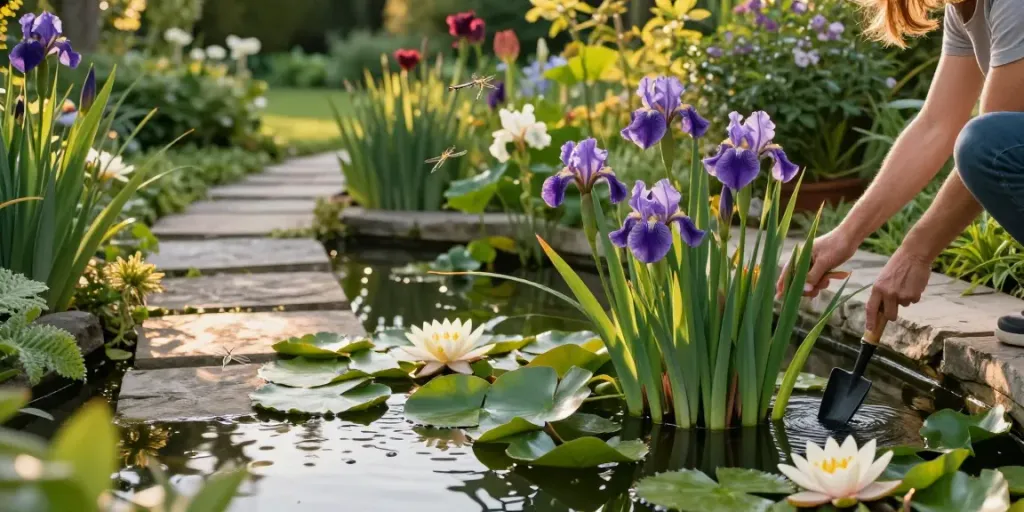
Understanding Marginal Pond Plants
Marginal pond plants, often referred to as bog or shallow water plants, occupy the crucial zones at the edges of ponds and water gardens. They flourish in water depths ranging from just a few inches to about a foot deep, playing a vital role in maintaining the ecological balance of aquatic environments. These plants not only enhance the visual appeal of garden ponds but also contribute significantly to water quality and wildlife habitats. When exploring options, Marginal Pond Plants provide comprehensive insights into selecting the right species for your garden.
What Are Marginal Pond Plants?
Marginal pond plants are species that grow at the water's edge, where soil is often wet, thereby combining elements of both terrestrial and aquatic ecosystems. They include various grasses, sedges, and flowering plants that thrive in these transitional zones. These plants have unique adaptations that allow them to withstand periodic flooding, making them essential for the health of pond ecosystems.
Importance of Marginal Plants in Ecosystems
Marginal plants serve multiple functions within their environments. They act as natural filters, improving water clarity by absorbing excess nutrients and preventing algal blooms. Their root systems stabilize the soil, reducing erosion and promoting aquatic biodiversity by providing habitat for fish, amphibians, and beneficial microorganisms. Additionally, marginal plants contribute to the overall aesthetic value of a pond, enhancing its natural beauty and creating a habitat for wildlife.
Common Types of Marginal Pond Plants
There are numerous species of marginal pond plants to choose from, depending on your local climate and the specific conditions of your pond. Some popular options include:
- Water Iris (Iris pseudacorus): Known for its striking yellow blooms, it thrives in wet soils and partial sun.
- Golden Creeping Jenny (Lysimachia nummularia): A vibrant ground cover that provides excellent erosion control and adds a splash of color.
- Sweet Flag (Acorus calamus): This aromatic plant features tall, grass-like leaves and is beneficial for water filtration.
- Forget-Me-Nots (Myosotis scorpioides): Their delicate blue flowers not only beautify the pond but also attract pollinators.
- Rainbow Water Celery (Oenanthe javanica): A versatile plant that adds lush greenery and thrives in shallow water.
Benefits of Incorporating Marginal Pond Plants
Enhancing Water Quality and Clarity
One of the primary benefits of incorporating marginal pond plants into your water garden is their ability to filter pollutants. These plants absorb excess nutrients, such as nitrogen and phosphorus, which can otherwise lead to water quality issues, including algal blooms. By creating a natural filtration system, marginal plants help maintain clear, healthy water that is vital for aquatic life.
Encouraging Wildlife and Biodiversity
Marginal pond plants are essential for fostering biodiversity. They provide food and habitat for a variety of wildlife, including frogs, birds, and insects, creating a vibrant ecosystem. When you plant diverse species of marginal plants, you attract a range of animals, contributing to a balanced and thriving pond environment. This biodiversity not only looks appealing but also supports ecological resilience.
Aesthetic Appeal and Design Options
In addition to their ecological benefits, marginal pond plants offer a variety of design possibilities for enhancing the visual appeal of your landscape. With their varied textures, colors, and heights, these plants can create striking focal points around your pond. Whether you prefer a naturalistic look or more formal arrangements, the versatility of marginal plants allows for creative landscaping that complements your garden.
Choosing the Right Marginal Pond Plants for Your Garden
Factors to Consider: Climate and Soil Type
When selecting marginal pond plants, it's essential to consider your local climate and soil conditions. Different plants have unique requirements regarding water levels, sunlight, and temperature. For example, some species thrive in full sun, while others prefer partial shade. Additionally, the soil's drainage capacity can impact plant health. Performing a soil test can guide you in choosing the right plants suited for your garden.
Best Marginal Plants for Small and Large Ponds
For small ponds, consider compact varieties like dwarf water lilies or mini irises that won't overwhelm the space. Conversely, larger ponds can accommodate taller species such as bulrushes and larger water irises, providing both height and structure. Always aim for a balanced mix that caters to the habitat needs of wildlife while maximizing visual appeal.
Native vs. Exotic Marginal Plants
Choosing between native and exotic marginal plants can significantly impact your pond's ecosystem. Native plants are adapted to your local environment and provide habitat for local wildlife, while exotic species may introduce competition and disrupt the ecological balance. Opting for native marginals not only supports your local ecosystem but also requires less maintenance since they are already suited to the local climate and soil.
Planting and Caring for Marginal Pond Plants
Optimal Planting Techniques and Depths
To ensure successful growth, follow proper planting techniques for your marginal pond plants. When planting, make sure to position the plants at the correct depth, typically in water ranging from 1-12 inches, depending on the species. It's essential to gently place them in the soil without disturbing their roots excessively. In addition, grouping plants in clusters often enhances visual impact and supports wildlife.
Watering and Maintenance Practices
While marginal pond plants thrive in wet conditions, they still require some care to flourish. Ensure that the pond area is kept free of debris to prevent algae build-up and proper water circulation. During summer, check for sufficient water levels, especially in dry spells. Feeding the plants lightly with aquatic fertilizers can promote healthy growth; however, avoid over-fertilization, which can harm water quality.
Common Challenges and Solutions
Despite their hardiness, marginal pond plants can face several challenges. Invasive species may crowd out your preferred plants, leading to reduced biodiversity. Regular monitoring and removal of invasive plants are crucial. Additionally, changes in water quality or temperature can stress the plants, so maintaining a balanced aquatic environment is essential for their health.
Future Trends in Marginal Pond Plant Cultivation
Emerging Species and Innovations for 2026
As gardening practices evolve, so do the species and techniques used in pond cultivation. Emerging trends include the use of unique hybrids and cultivars developed for improved resilience and aesthetic appeal. Furthermore, advancements in sustainable gardening methods, such as using native plant landscaping and ecological designs, will likely lead to more environmentally friendly water gardens by 2026.
Environmental Conservation and Sustainable Practices
In light of increasing environmental concerns, integrating sustainable practices within pond gardening is becoming essential. Utilizing native marginal plants, implementing water conservation techniques, and minimizing chemical use in pond maintenance contribute to the overall health of local ecosystems. This shift not only benefits the ponds but also promotes biodiversity and ecological stability.
Community Engagement in Water Garden Projects
Community initiatives focused on water gardening are gaining traction as people recognize the importance of preserving local biodiversity. Educational workshops, local plant swaps, and community pond projects are fostering greater awareness of the ecological benefits of marginal pond plants. Engaging with your community enhances knowledge sharing and nurtures a collective effort towards sustainable practices in aquatic gardening.
What are the best marginal plants for ponds?
The best marginal plants for ponds typically include native species that thrive in your local climate and soil conditions. Some popular choices are the Water Iris, Sweet Flag, and Forget-Me-Nots, which not only enhance aesthetics but also support local wildlife.
How deep do you plant marginal pond plants?
Marginal pond plants should generally be planted in water depths ranging from 1 to 12 inches, depending on the specific species and their growth requirements.
What do marginal pond plants mean?
Marginal pond plants refer to those that grow at the edges of water bodies, where they can thrive in shallow water. They play a crucial role in stabilizing the banks, improving water quality, and providing habitat for various aquatic species.
What are the best plants to put in a small pond?
In small ponds, ideal plants include compact varieties of marginal plants, such as dwarf water lilies, water violets, and mini irises, which won’t overwhelm the limited space while still enhancing biodiversity.
How do I maintain my marginal pond plants?
Maintenance of marginal pond plants involves monitoring water levels, removing debris, controlling invasive species, and ensuring they receive sufficient nutrients without over-fertilizing. Regular checks for pests or diseases can also help keep your plants healthy.