
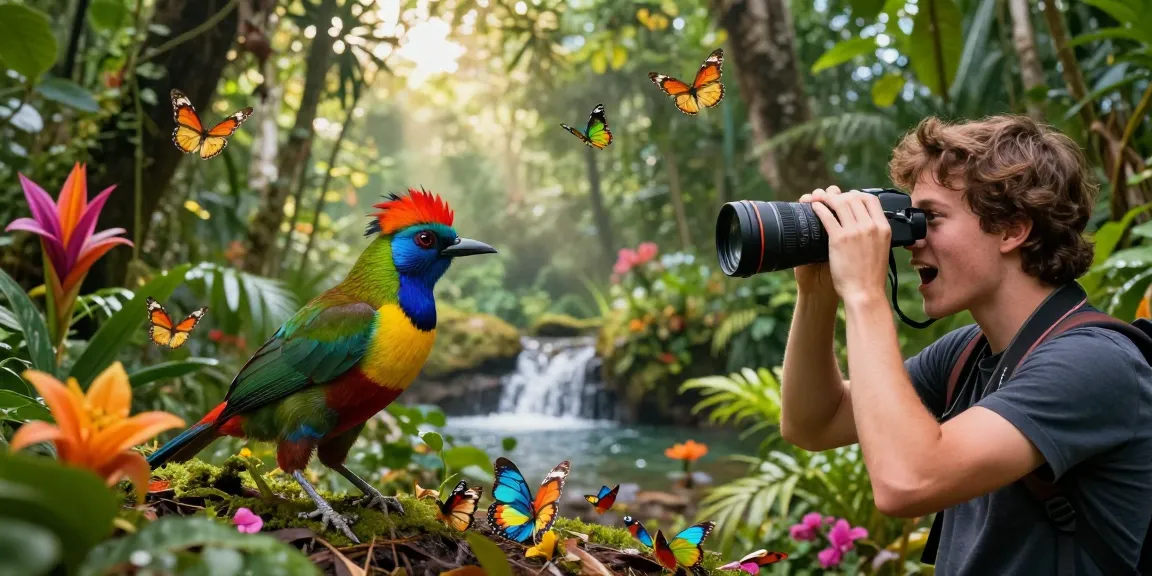
Understanding Unusual Bird Species
The world of avian life is as diverse as it is fascinating, with countless species showcasing unique traits and characteristics. Among these, unusual bird species capture our attention not just for their appearance, but for their intriguing behaviors and adaptations. From vibrant plumage to bizarre mating rituals, these birds are excellent examples of nature’s creativity. As we delve into what makes these creatures stand out, we can leverage platforms like rokok88 super for more insights and details about these incredible species.
What Makes a Bird Unique?
Birds exhibit unique features that can vary widely from one species to another. Here are some factors that contribute to their uniqueness:
- Physical Appearance: Many birds sport vibrant colors, unusual shapes, and distinct sizes. The resplendent quetzal, for example, is known for its striking green plumage and long tail feathers.
- Behavioral Traits: Certain species engage in remarkable behaviors such as complex mating dances or intricate nest-building techniques. The bowerbird, for example, is famous for constructing elaborate structures to attract mates.
- Vocalization: Birds communicate through songs and calls, with some species mimicking the sounds of their environment, including human-made noises. The lyrebird is particularly notable for its impressive ability to imitate various sounds.
Fascinating Facts About Rare Birds
Learning about rare birds can reveal extraordinary facts that enhance our understanding of biodiversity.
- Did you know that the Kakapo, a flightless parrot from New Zealand, is nocturnal and weighs almost as much as a cat?
- The Shoebill stork, found in the swamps of East Africa, has a bill that resembles a large shoe, which it uses to catch fish.
- The endemic bird of paradise showcases some of the most elaborate plumage and courtship displays, making it a symbol of biodiversity.
Habitat and Distribution of Odd Birds
Unusual birds are often tied to specific habitats that enhance their adaptations. Some are found in tropical rainforests, while others inhabit arid deserts or wetlands. Understanding the geographical distribution of these species can help in conservation efforts.
For example, the Harpy Eagle, one of the largest and most powerful eagles, resides in Central and South American rainforests, where it preys on monkeys and sloths. Conversely, the Emperor Penguin thrives in the icy regions of Antarctica, showcasing how birds adapt remarkably to their environments.
Why Learn About Unique Birds?
Learning about unique birds extends beyond mere curiosity; it provides several emotional and educational benefits that enrich our lives and enhance our understanding of nature.
Emotional and Educational Benefits
Engaging with birdwatching and ornithology can produce positive emotional responses. Observing birds can encourage mindfulness and enhance well-being by connecting individuals with nature. Furthermore, education about birds fosters a sense of empathy for wildlife and promotes conservation efforts. Studies show that those who engage with nature often experience reduced stress and greater life satisfaction.
Conservation Importance of Strange Species
Many unusual bird species are threatened due to habitat loss, climate change, and poaching. Learning about these species underscores the urgency of conservation efforts. By understanding their roles within ecosystems, we can advocate for crucial habitat protections.
The Role of Unique Birds in Ecosystems
Unique birds play significant roles in their ecosystems, contributing to pest control, seed dispersal, and pollination. For instance, hummingbirds are vital pollinators for many flowering plants, while scavenging birds help keep ecosystems clean by consuming carrion.
Strategies for Observing Unique Birds
For those looking to explore the world of unique birds, having the right strategies can enhance your birdwatching experience and increase your chances of spotting rare species.
Best Practices for Bird Watching
Birdwatching requires patience and knowledge of the best practices to be successful. Here’s how to improve your birdwatching skills:
- Use Binoculars: Invest in a good pair of binoculars for a closer view of distant birds.
- Be Quiet: Maintain silence to avoid startling birds and increase your chances of observing their natural behavior.
- Know Peak Times: Many birds are most active during early mornings or late afternoons.
Tools and Technology for Bird Enthusiasts
Modern technology has greatly enhanced birdwatching experiences. Apps like Merlin Bird ID can help enthusiasts identify birds by sound and appearance, while GPS devices can help track migration patterns.
Seasonal Considerations for Bird Watching
Different seasons attract various bird species. For example, migratory birds often appear in spring and fall, while winter can reveal species that remain in colder climates. Planning trips according to seasonal patterns can significantly increase the diversity of species you observe.
Engaging with the Community
Joining the birdwatching community offers numerous opportunities to connect with fellow enthusiasts and learn from one another, which can deepen your appreciation for unique bird species.
Joining Bird Watching Groups and Clubs
Local birdwatching clubs provide valuable resources such as guided tours, educational workshops, and social events. Participating in these groups enhances your knowledge and expands your network of fellow birders.
Sharing Experiences and Findings Online
Online platforms and social media groups allow bird watchers to share sightings, photographs, and experiences. Websites like eBird encourage users to report their findings, contributing to a global database that supports avian research and conservation.
Participating in Citizen Science Projects
Getting involved in citizen science projects, such as the Christmas Bird Count, allows individuals to contribute to crucial data collection efforts that help scientists understand bird populations and migrations.
Future Trends in Bird Exploration
As we move towards 2026, several trends in bird exploration are emerging, showcasing how technology and innovation can enhance our understanding of these remarkable creatures.
Technological Innovations in Bird Watching
Advancements in technology, including drones and AI-powered bird identification apps, are revolutionizing how we observe and study birds. These tools can provide insights into bird behavior and habitat use without disturbing their natural environments.
Sustainable Practices for Enthusiasts
As birdwatching grows in popularity, adopting sustainable practices becomes crucial. Birders should minimize their environmental impact by sticking to trails, respecting nesting areas, and supporting local conservation efforts.
Predictions for Bird Diversity in 2026
Experts predict that bird diversity will continue to decline due to habitat loss and climate change. However, conservation initiatives can help preserve the natural habitats and protect these unique species from extinction.
What are the Exciting Developments on the Horizon?
Future developments in avian research promise exciting discoveries. Genetic studies could shed light on the evolutionary history of unusual bird species, revealing essential information for conservationists.