
Understanding Fly Fishing Tippet Basics
What is Fly Fishing Tippet?
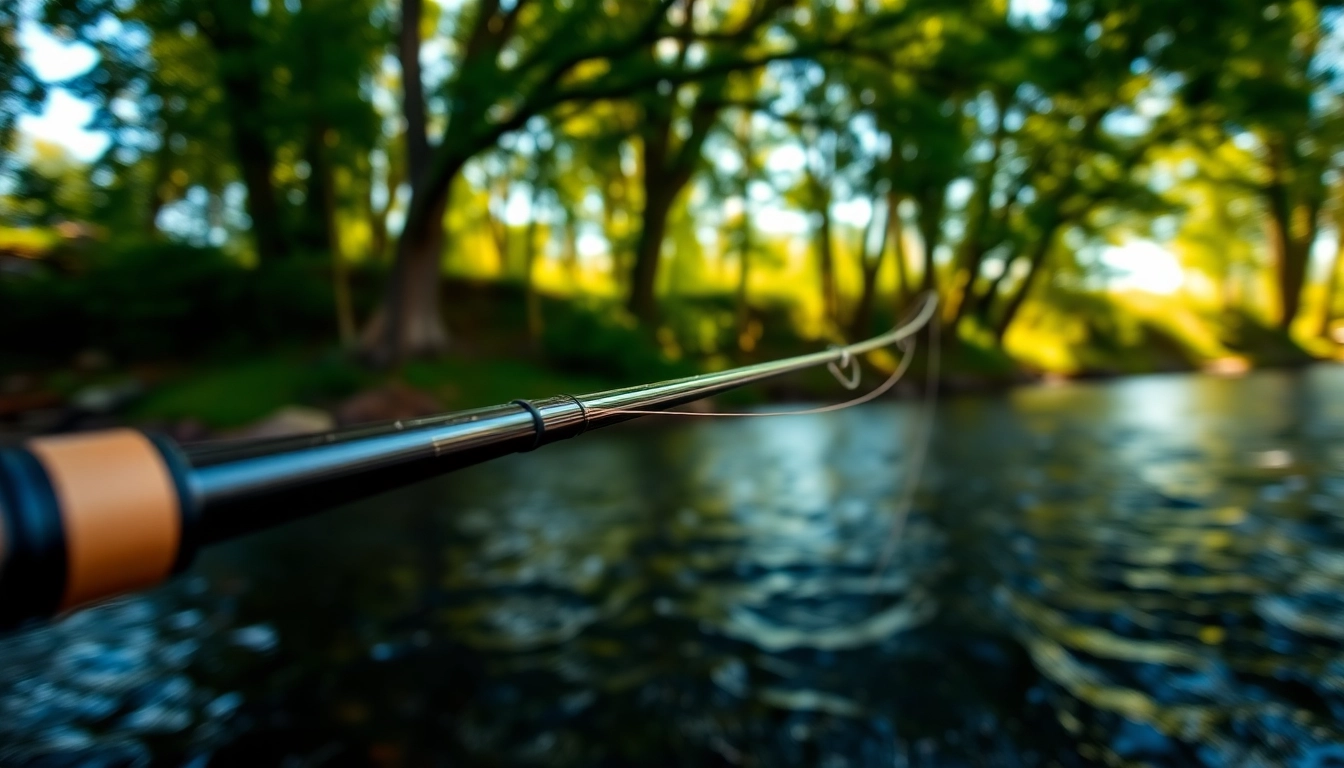
At its core, fly fishing tippet is a vital component of a fly fishing setup. It serves as a thin, nearly invisible line that connects the fly to the leader line. This crucial piece of gear allows anglers to present their flies delicately on the water’s surface or beneath it. The tippet, typically made of nylon or fluorocarbon, plays a significant role in determining the success of a fishing expedition, offering the ideal balance between strength and stealth.
Importance of Tippet in Fly Fishing
The importance of tippet in fly fishing cannot be overstated. It significantly impacts the overall effectiveness of your fishing strategy. A well-chosen fly fishing tippet allows anglers to maintain a stealthy approach, which is crucial when pursuing line-shy species like trout. Additionally, tippets provide the necessary strength to handle fighting fish while ensuring they remain light enough to avoid disrupting the water and spooking potential catches.
Material Types of Fly Fishing Tippet
Fly fishing tippets come in various materials, primarily nylon and fluorocarbon. Nylon is the traditional choice for many anglers due to its elasticity and cost-effectiveness. It’s durable and has a good knot strength, making it a versatile option for various fishing conditions. On the other hand, fluorocarbon tippets are prized for their invisibility underwater, making them less detectable by fish. They are denser than nylon, sink faster, and offer increased abrasion resistance, which can be particularly advantageous in rocky or abrasive environments.
Selecting the Right Fly Fishing Tippet
Choosing the Right Strength and Length
When it comes to selecting the appropriate fly fishing tippet, strength and length are critical factors. The strength is typically categorized in “X” sizes, with a higher number indicating a thinner, lighter tippet that can handle less weight. For instance, a 7X tippet is thinner and ideal for light presentations, particularly in small streams with cautious fish. Conversely, a 3X tippet can handle heavier fish and works well in larger rivers. Tippet length also matters; longer tippets offer better presentation, while shorter ones attract fish closer to the boat or bank.
How Weather Conditions Affect Tippet Choice
Weather conditions play a pivotal role in determining the best tippet choice for a given day. During bright, sunny days, a more delicate tippet is often beneficial to reduce visibility. Conversely, cloudy or overcast days may allow for thicker tippets without spooking fish. Wind is another important factor; strong gusts may necessitate heavier tippets to maintain casting accuracy. Understanding how to adapt your tippet choice to environmental factors can significantly enhance your fishing success.
Comparing Nylon vs. Fluorocarbon Tippets
Both nylon and fluorocarbon tippets have their advantages and disadvantages. Nylon offers excellent stretch, enhancing shock absorption, which is beneficial when battling a fish. It’s generally more affordable and easier to handle, making it a favorite for beginners. On the other hand, fluorocarbon excels in stealth, sinking faster, and proving less visible underwater. It boasts superior abrasion resistance, allowing it to withstand rough conditions better than nylon. The choice between the two often boils down to personal preference and fishing situations.
Fly Fishing Tippet Techniques
How to Tie Tippet to Leaders
Successfully tying your tippet to the leader is essential for an effective fly fishing experience. A reliable knot will ensure that the connection can withstand the rigors of battling fish. The Double Surgeon’s Knot is a popular choice due to its simplicity and strength. To tie it, overlap the leader and tippet, make two loops, and pass the tippet through. Pull tight while moistening the knot to ensure a secure hold. Proper knotting techniques are critical for maintaining line integrity during a catch.
Different Knots for Fly Fishing Tippet
There are various knots to use when connecting tippet to leaders and flies. The Improved Clinch Knot is favored for securing flies on the tippet thanks to its reliability and ease of tying. For quick connections, you could also use the Loop Knot, which offers enhanced movement for the fly. Finding the right knot for your specific needs can greatly improve your overall efficiency and effectiveness while fishing.
Expert Tips for Tippet Management
Managing tippet effectively is crucial for a successful fishing day. Keeping your tippet organized will save time and prevent tangles. A tippet spool with labels for various sizes can make retrieval easy and efficient. Additionally, regularly inspecting your tippet for abrasions or damage is essential for maintaining performance. It’s wise to carry a few extra sizes and lengths of tippet in your tackle box to adapt to different fishing conditions.
Common Issues with Fly Fishing Tippet
Identifying Tippet Breakage Problems
Tippet breakage can be a frustrating issue, often caused by poor quality, abrasions, or incorrect knot tying. To identify these problems early, inspect your tippet frequently during your fishing session. If you notice any frays, kinks, or discoloration, it’s time to replace that section. Being proactive about inspecting your gear will prevent you from losing potential catches due to broken lines.
How to Avoid Tangle Issues
Tangle issues can derail a fishing outing and occur for various reasons, including improper handling and inadequate storage. To minimize tangles, ensure your line is coiled correctly when not in use and avoid overloading your reel. Practicing good casting techniques will also help reduce tangles during your fishing sessions. Regularly reevaluating your casting style can lead to better outcomes on the water.
Signs You Need to Change Your Tippet
Understanding when to change your tippet is essential for optimal performance. Common signs include visible wear such as fraying, discoloration, and stiffness. If your tippet feels rough or has lost its elasticity, it’s time to replace it. Regularly changing your tippet can enhance your chances of a successful catch and ensure a more enjoyable fishing experience.
Frequently Asked Questions on Fly Fishing Tippet
What is the difference between tippet and leader?
Tippet is a section of line connecting the fly to the leader, offering more versatility and lighter weight than a leader line.
How often should I replace my fly fishing tippet?
Regular inspection is essential; replace tippet after a few uses or if you notice any signs of wear or damage.
Can I use regular fishing line as tippet?
While possible, it’s not advisable as standard fishing lines lack the transparency and sensitivity needed for effective fly presentations.
What tippet size should I use for trout?
A tippet size between 5X to 7X is typically suitable for trout fishing, providing a good balance between strength and stealth.
How does tippet quality affect my catch?
High-quality tippet ensures better knot strength and lower visibility in water, increasing your chances of attracting fish.