

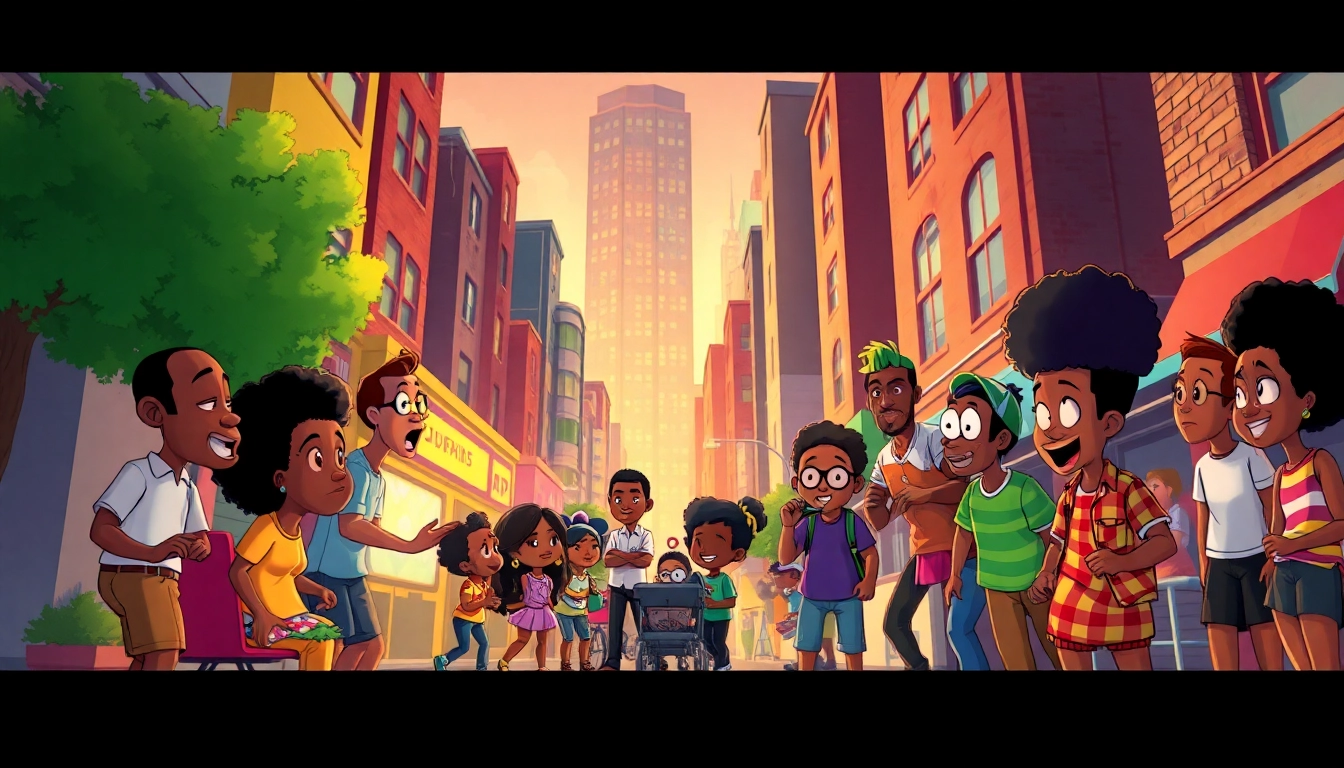
The Cultural Impact of African American Cartoons
In recent years, the landscape of animation has been significantly transformed by an increasing emphasis on diversity and representation. African American cartoons have played a pivotal role in this evolution, contributing to a richer narrative tapestry that resonates with audiences worldwide. These cartoons not only entertain but also challenge stereotypes, address cultural issues, and foster an understanding of black identity. As we dive into the profound influence of these animated series, it becomes evident that they serve as both reflections of society and catalysts for change. For those looking to explore an extensive selection of African American Cartoons, numerous platforms are dedicated to showcasing this influential genre.
The Evolution of Representation
The journey of African American representation in animation has been long and fraught with challenges. Early portrayals in cartoons often relied on stereotypes, limiting the scope of black characters and their stories. However, as awareness grew, creators began to shift towards more nuanced and authentic representations. Series such as “The Boondocks” and “The Proud Family” have made significant strides in showing complex black characters and their experiences, moving beyond caricatures to explore themes of identity, community, and resilience.
Influential Shows and Their Legacy
Several landmark shows have paved the way for African American cartoons, each leaving an indelible mark on the industry. “Fat Albert and the Cosby Kids,” created by Bill Cosby, was one of the first to depict African American youth in a relatable light. The show addressed social issues while emphasizing the value of friendship and community support. Similarly, “The Boondocks,” based on Aaron McGruder’s comic strip, brought sharp social commentary to the forefront, blending humor with critical reflections on race relations in America.
Why Diversity Matters in Animation
Diversity in animation is not just a trend; it is a necessity. Animated series featuring African American characters provide representation that resonates with viewers, offering role models and heroes who reflect their experiences. Furthermore, these narratives educate audiences on cultural nuances and foster empathy. As animation becomes a more global medium, the inclusion of diverse stories enriches the entire industry’s creative landscape.
Top African American Cartoons to Watch in 2026
As we look towards the future, the influence of African American cartoons continues to grow, with both beloved classics and exciting new titles emerging. Fans can expect a mix of nostalgic favorites reimagined for modern audiences alongside fresh stories that reflect contemporary issues.
Beloved Classics and Their Modern Remakes
Classics such as “The Proud Family” and “Afro Samurai” have seen revitalization in recent years, capturing the interest of both older viewers and new generations. “The Proud Family: Louder and Prouder” is a beloved reboot that tackles modern-day topics through a comedic lens, while retaining the original’s charm and wit. Similarly, “Afro Samurai: Resurrection” reignited interest in its unique blend of anime and black culture, appealing to fans with its stunning visuals and compelling storytelling.
Emerging Titles and Upcoming Releases
In 2026, viewers can look forward to several promising new titles that will further diversify the animated landscape. For instance, “Young Justice,” featuring diverse characters in prominent roles, continues to captivate audiences with its rich narratives. Additionally, upcoming projects like “The Black Panther” animated series are set to expand on the iconic Marvel universe, presenting African American heroes in compelling new ways.
Review: What Makes These Cartoons Stand Out?
What sets these titles apart is their ability to blend entertainment with meaningful messages. Through humor, action, and heartwarming moments, they engage audiences while prompting reflection on issues like social justice, family dynamics, and cultural heritage. The multi-dimensionality of characters, coupled with innovative storytelling techniques, ensures that these cartoons resonate on multiple levels.
Understanding Character Archetypes in African American Animation
Character development is crucial in animation, and African American cartoons showcase a range of archetypes that enrich the storytelling experience. These characters, often relatable and grounded in reality, serve to inspire and entertain, while also providing cultural commentary.
Common Themes and Motivations
Common themes in these cartoons include resilience, community, and the celebration of identity. Characters often navigate challenges that reflect real societal issues, such as systemic racism, socio-economic struggles, and the quest for self-identity. This authenticity is crucial, as it allows audiences to see their own lives mirrored on screen, fostering a strong emotional connection.
Analyzing the Humor and Storytelling Style
The humor found in African American cartoons is often sharp, witty, and imbued with cultural references. Shows like “The Boondocks” employ satire to comment on social issues, while others, such as “Doc McStuffins,” utilize lighter humor to teach valuable life lessons. This blend of humor styles ensures accessibility, making the content enjoyable for audiences of all ages.
Representation and Its Influence on Youth
The impact of representation cannot be overstated. Young viewers who see themselves reflected in their favorite cartoons benefit from increased self-esteem and a sense of belonging. Characters who navigate complex situations help to impart valuable lessons, encouraging empathy and understanding among peers. By showcasing diverse perspectives, these cartoons contribute to a more inclusive society.
Behind the Scenes: The Art and Creation of African American Cartoons
The creation of animated content involves numerous talented artists, writers, and producers who work tirelessly to bring their visions to life. Behind the scenes, the challenges and triumphs of these creators shape the narratives we see on screen.
Profiles of Pioneering Creators
Visionaries like Carl Jones, who co-created “The Boondocks,” and Bruce W. Smith, the force behind “The Proud Family,” have played instrumental roles in bringing African American stories to the forefront. Their contributions extend beyond mere entertainment; they have paved the way for future generations of creators to share their unique voices and experiences.
The Animation Process: From Concept to Screen
The path from concept to screen is complex and requires a collaborative effort among various departments, including writing, storyboarding, voice acting, and animation. Each phase is vital in ensuring that the final product resonates with audiences. The infusion of cultural elements throughout the process enriches the storytelling and enhances viewer engagement.
Challenges in the Industry and Overcoming Stereotypes
Despite the progress made, challenges remain within the animation industry. Stereotypes and misconceptions about African American characters can still influence storytelling. However, many creators are actively working to dismantle these barriers, producing content that reflects true diversity and authenticity.
Future Trends in Animation Featuring African American Characters
The future of animation is bright, particularly with the growing emphasis on diversity and inclusion. As technology advances and audiences demand more authentic narratives, the representation of African American characters is likely to expand even further.
The Role of Technology in Animation
Advancements in technology are revolutionizing how animated content is produced and consumed. Tools like virtual reality and interactive storytelling open new avenues for creators, allowing them to explore innovative formats to engage viewers. These technologies can also facilitate a deeper understanding of cultural stories, enhancing the viewer experience.
Predictions for Content Development in 2026
As we approach 2026, a notable increase in African American-led projects is anticipated. Networks and streaming services are investing more in diverse content, reflecting the growing demand for representation. This shift not only provides opportunities for creators but also enriches the narrative landscape for viewers.
The Importance of Audience Engagement and Feedback
Engagement with audiences has never been more important. Social media platforms and online communities allow fans to share their thoughts and provide feedback, influencing the direction of future content. Creators who listen to their audience are better equipped to craft stories that resonate, ensuring a connection that lasts beyond the screen.
 Olivia Thompson