
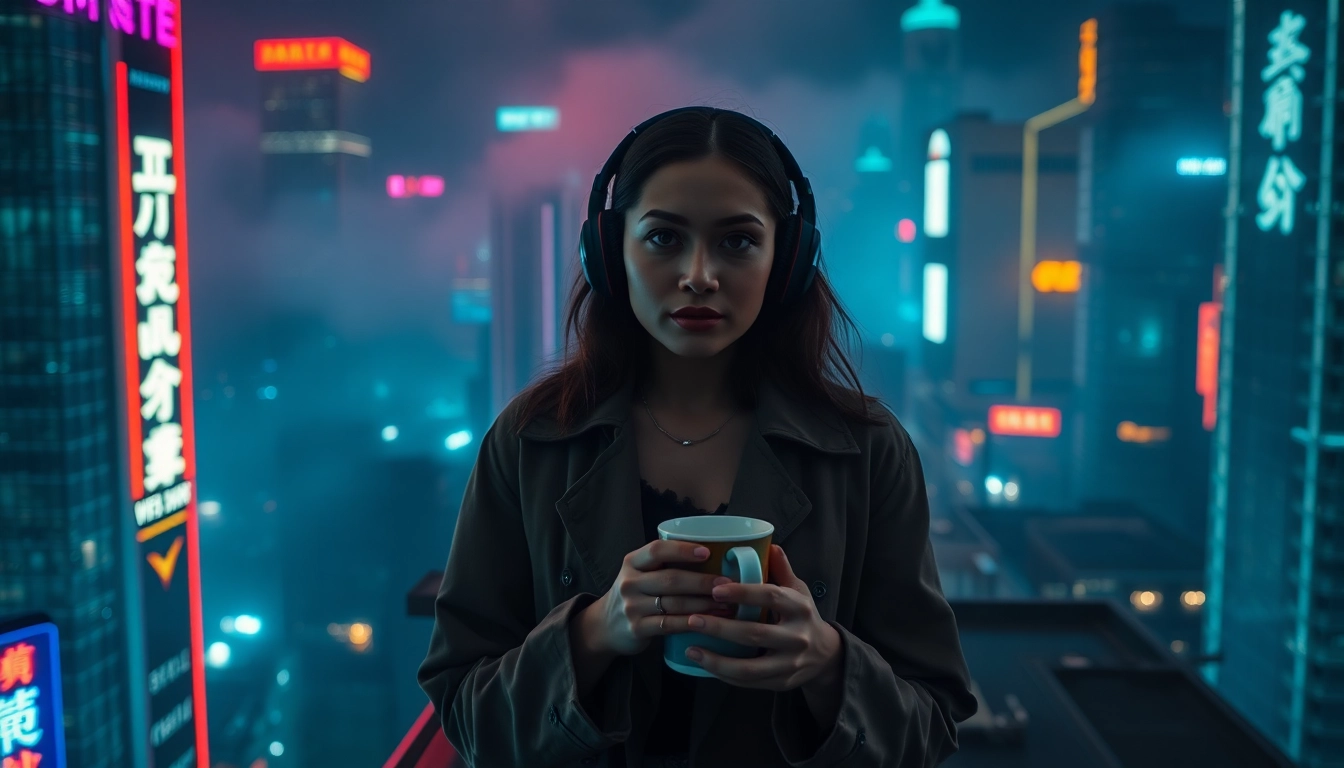
Understanding the Image to Prompt AI Tool
The rapid evolution of artificial intelligence (AI) has paved the way for innovative tools that enhance creativity and streamline workflows. Among these transformative technologies is the image to prompt ai tool, which allows users to convert images into detailed text prompts. This capability not only facilitates the creative process but also empowers individuals and businesses to harness AI-driven image generation effectively. In this article, we will delve into the mechanics of this tool, its benefits, and how to maximize its potential.
What is an Image to Prompt AI?
An Image to Prompt AI is an advanced tool designed to analyze images and generate descriptive text prompts that can be employed in various AI image generation platforms. By leveraging sophisticated algorithms and machine learning techniques, this tool interprets visual elements such as subjects, lighting, colors, and composition, translating them into natural language descriptions. This means that even users with limited artistic skills can create compelling imagery using AI tools, as they can generate prompts that encapsulate their vision accurately.
How Image to Prompt AI Works
The functionality of the Image to Prompt AI hinges on two core technologies: computer vision and natural language processing (NLP). When a user uploads an image, the tool employs computer vision algorithms to dissect the image into recognizable components—identifying objects, emotions, settings, and actions. Subsequently, it utilizes NLP to craft coherent prompts that reflect these visual elements. This seamless integration of technologies ensures that generated prompts are not only relevant but also rich in detail, making them suitable for use in sophisticated AI image generation systems.
Benefits of Using Image to Prompt AI
- Enhanced Creativity: Users can explore visual ideas effortlessly, overcoming creative blocks and expanding their creative horizons.
- Time Efficiency: Instantaneous prompt generation saves time, allowing users to focus on refining their creative projects rather than starting from scratch.
- Accessibility: The tool is designed to be user-friendly, allowing anyone, regardless of their technical expertise, to convert images into prompts effectively.
- Versatility: Generated prompts can be utilized across various AI image generators, including Midjourney, Stable Diffusion, and others.
Getting Started with Image to Prompt AI
How to Upload and Analyze Images
Getting started with Image to Prompt AI is straightforward. Users can simply upload images in formats such as PNG, JPG, or WEBP, with a maximum file size limit of 4MB. Once the image is uploaded, users click the “Generate Prompt” button, and within seconds, the tool processes the image to provide a detailed, structured prompt. This simplicity enables users to quickly begin their creative endeavors without the need for extensive technical knowledge.
Choosing the Right AI Model for Your Needs
When using the Image to Prompt AI generator, users have the option to select from various AI models tailored to specific needs. For instance, users can choose models like Flux, Midjourney, and Stable Diffusion, each offering unique strengths in prompt generation. Understanding the characteristics of these models is vital for optimizing the output; for example, some models may excel in generating stylistic prompts while others focus on realism.
Tips for Refining Generated Prompts
While the Image to Prompt AI tool generates high-quality prompts, users can enhance these further by refining them based on personal preferences and project requirements. Consider the following tips:
- Edit for Style: Adjust the tone and style of the prompt to better align with your artistic vision.
- Add Specific Details: Include particular elements you want to emphasize, such as color schemes, emotions, or specific actions.
- Experiment with Variations: Generate multiple prompts for the same image to explore diverse interpretations and styles.
Types of Prompts Generated by Image to Prompt AI
Descriptive vs. Structured Prompts
The Image to Prompt AI tool generates two primary types of prompts: descriptive and structured. Descriptive prompts provide a narrative approach that vividly describes the visual elements identified in the image. For instance, a prompt might read, “A serene lake surrounded by autumn trees bathed in golden sunlight.” In contrast, structured prompts are organized in a way that aligns with the specific requirements of various AI models, often featuring elements like subject, environment, and artistic style in a systematic framework.
Model-Specific Prompts
Model-specific prompts are tailored to meet the unique capabilities and expectations of different AI image generators. For instance, prompts designed for Midjourney may emphasize artistic flair and creativity, while those intended for Stable Diffusion might focus more on photorealism and accuracy. Understanding the requirements of each platform is crucial for generating effective prompts that yield high-quality images.
Common Use Cases for Generated Prompts
Generated prompts can be utilized across a wide array of applications and industries, including:
- Digital Art Creation: Artists can leverage prompts to inspire new artworks or to enhance existing projects.
- Marketing and Advertising: Marketers can generate unique visuals based on product images, tailoring prompts to align with brand identity.
- Storytelling and Content Development: Writers and creators can visualize scenes or characters based on narrative descriptions, helping to enhance storytelling.
Maximizing the Effectiveness of Prompts
Fine-Tuning Prompts for Better AI Image Results
To achieve optimal results when using AI image generation tools, it is essential to fine-tune prompts generated by the Image to Prompt AI. This involves carefully considering the context in which the generated images will be used and making necessary adjustments to suit your specific project goals. For example, if you are working on a fantasy theme, adding adjectives like “ethereal” or “whimsical” can help enhance the generated visuals significantly.
Real-World Examples and Success Stories
Numerous users have reported success using the Image to Prompt AI tool. For instance, a graphic designer utilized the tool to generate prompts for a series of promotional images for a local art gallery. By experimenting with different styles and details, they produced captivating visuals that not only captured the essence of the gallery but also attracted a larger audience. Such case studies underscore the versatility and effectiveness of the tool in various creative fields.
Best Practices for Engaging with AI Image Generation
To make the most out of AI image generation, consider adopting the following best practices:
- Stay Updated: Keep an eye on updates to AI models and tools to ensure you are taking full advantage of new features and capabilities.
- Collaborate with Other Creatives: Sharing insights and experiences with fellow creators can lead to new ideas and approaches.
- Continuously Experiment: Don’t hesitate to try different combinations of prompts and styles to discover unique outputs.
Future Trends in Image to Prompt AI
Emerging Technologies in AI Prompt Generation
The landscape of AI prompt generation is continually evolving, with several emerging technologies that promise to enhance the capabilities of image to prompt tools. For instance, advancements in deep learning and neural networks are enabling more sophisticated analyses of images, resulting in more nuanced and contextually aware prompts. Additionally, integrations with other AI technologies, such as augmented reality (AR) and virtual reality (VR), may allow for even richer interactive experiences in visual storytelling.
What to Expect in the AI Landscape for 2026
As we look to 2026, it is anticipated that AI tools will become more ingrained in the creative process. We can expect increased personalization, where AI will not only generate prompts based on uploaded images but also learn user preferences over time, tailoring outputs to individual styles and needs. Furthermore, collaborations across industries, including gaming, film, and education, will lead to innovative applications of image to prompt technology.
Expert Insights on the Future of Image to Prompt AI
Industry experts emphasize the importance of ethical considerations in the development of AI technologies. As image to prompt tools become more powerful, ensuring that they are used responsibly and transparently will be crucial. This includes safeguarding users’ intellectual property, maintaining privacy standards, and establishing guidelines for the ethical use of AI in creative endeavors.